



The Science of Green Serenity
The calming effect of plants is not just a feeling; it's backed by science. The 'biophilia hypothesis' suggests that humans have an innate tendency to connect with nature. When we live in urban jungles, this connection is often severed. Introducing plants into
our homes can help restore this bond, leading to significant mental health benefits. Research has shown that interacting with indoor plants can lower physiological and psychological stress by reducing levels of the stress hormone, cortisol. Studies have documented impressive results: one found that the presence of plants led to a 37% reduction in tension and anxiety and a 58% drop in depression. Even the simple act of looking at greenery can lower your heart rate and blood pressure, promoting a feeling of calm and relaxation.
More Than Just a Pretty Face
Beyond their stress-reducing qualities, indoor plants are quiet workhorses for our well-being. Many act as natural air purifiers. A famous NASA study revealed that common houseplants are capable of absorbing harmful toxins like formaldehyde and benzene from the air, which can be present in modern furnishings and cleaning products. While you'd need a large number of plants to replicate a high-tech air purifier, they certainly contribute to a fresher, cleaner indoor environment by absorbing carbon dioxide and releasing oxygen. Furthermore, the act of caring for a living thing provides a gentle routine and a sense of purpose. Watching a plant thrive because of your care can boost self-esteem and provide a welcome distraction from daily worries. This mindful activity helps you stay present and can be a meditative practice in itself.
Your Urban Oasis Starts Small
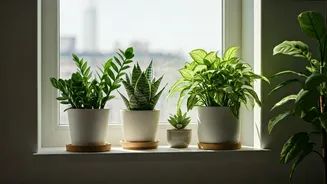
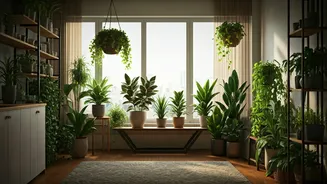
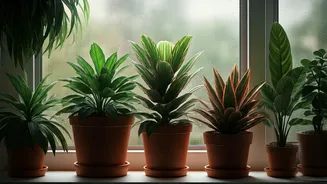
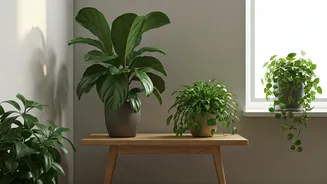
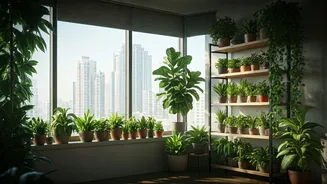
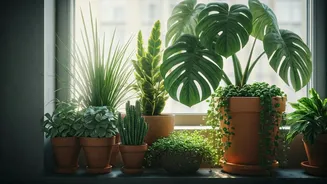
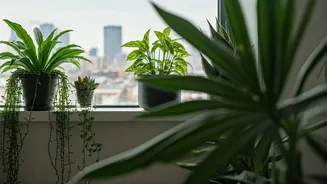
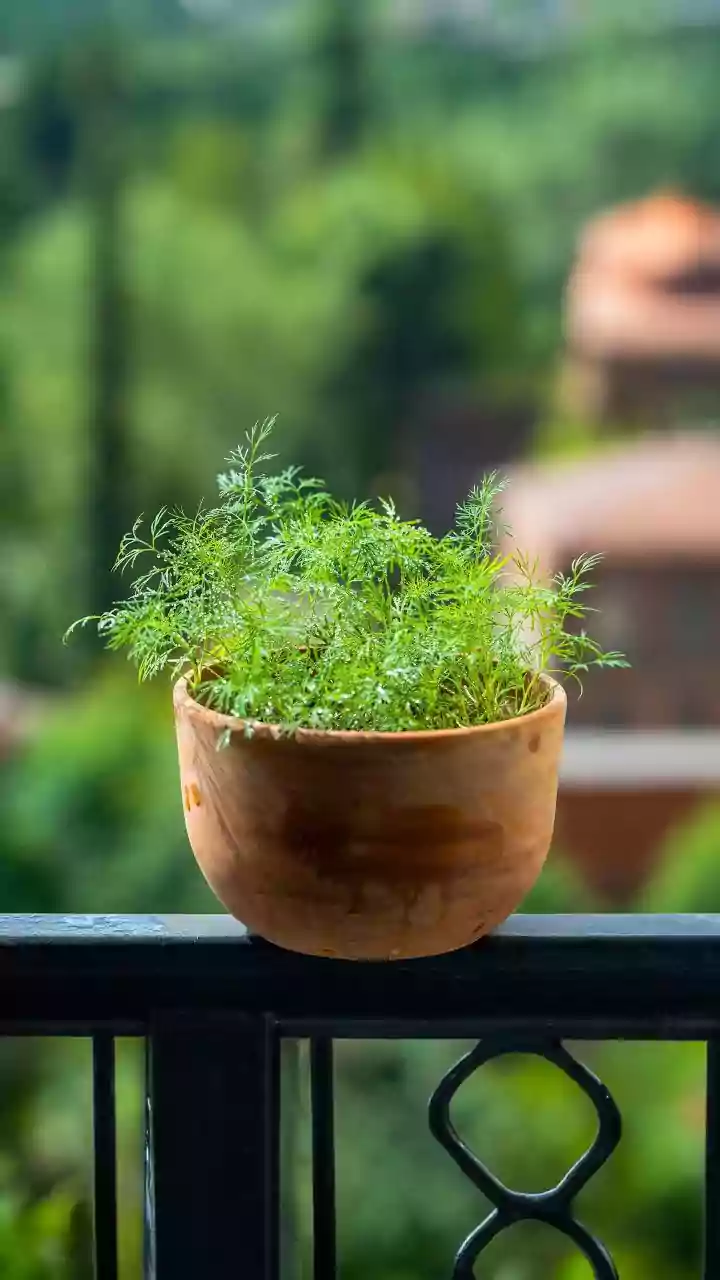
You don’t need a sprawling garden to reap the rewards of greenery. Creating a personal plant sanctuary can begin on a small windowsill, a corner of your desk, or a balcony. For apartment dwellers in India, where space can be a premium, the key is to choose plants that fit the environment. Start with one or two low-maintenance plants to build your confidence. The goal is not to create a dense jungle overnight, but to mindfully introduce elements of nature into your daily life. Consider plants that grow vertically rather than spreading out wide, or look to hanging baskets to utilize vertical space. The simple presence of a few plants can make a room feel more welcoming and alive.
The Right Plant for Your Space
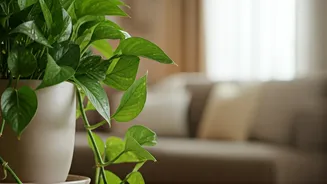
Choosing the right plant is crucial for success, especially for beginners. Many varieties are well-suited to the conditions of Indian apartments. The Snake Plant, for instance, is famously resilient, tolerates low light, and requires minimal watering. The Money Plant (Pothos) is another popular choice, known for its trailing vines that can be placed in hanging baskets or on shelves. For those looking for a touch of elegance, the Peace Lily is an excellent option that can survive in low to medium light and even produces beautiful white flowers. Other hardy choices include the ZZ Plant, which is extremely low-maintenance, and the Spider Plant, which is great at purifying the air and is very easy to care for. These plants are not only beautiful but are also forgiving of the occasional missed watering, making them perfect companions for a busy urban lifestyle.
Greening Beyond Your Four Walls
The benefits of plants can extend beyond your own apartment. Engaging with community gardens or participating in greening initiatives for common building areas can amplify the positive effects. These shared spaces not only increase the overall greenery in a neighbourhood but also foster social connections and a sense of community. Working alongside neighbours to nurture a garden can be a powerful antidote to the isolation that sometimes accompanies city living. It reinforces our connection not only with nature but with each other, creating healthier and happier communities from the ground up.