





A New Era of Seamless Travel
The biggest change for travelers is a major tourism pact established in mid-2026 between Vietnam, Cambodia, and Laos. Dubbed the “One Journey, Three Destinations” initiative, this agreement aims to promote the region as a single, integrated travel destination.
For tourists, this translates into a more streamlined experience. The countries have adopted a joint action plan for 2026-2028 focused on improving transport connectivity, creating unified tourism products, and simplifying cross-border travel. While individual tour packages have long existed, this high-level cooperation signals a new commitment to making the journey between these nations smoother, whether by land, water, or air.
The Classic Itinerary, Perfected
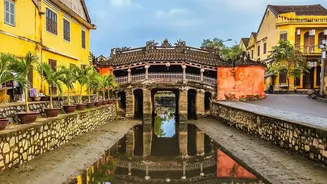
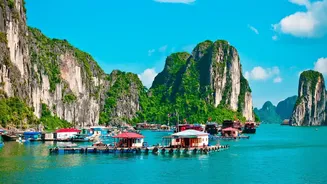
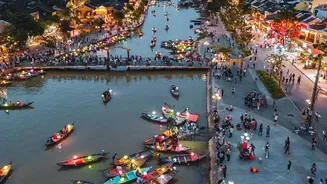
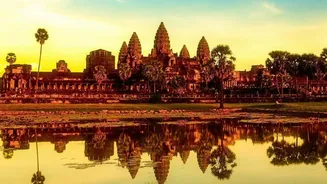
The quintessential Vietnam-Cambodia itinerary allows travelers to experience a breathtaking range of landscapes and historical sites. Most journeys begin in Vietnam, perhaps with the limestone karsts of Ha Long Bay and the cultural richness of Hanoi. From there, travelers often move south to the historic towns of Hue and Hoi An before diving into the energetic pace of Ho Chi Minh City. The transition to Cambodia typically happens from southern Vietnam, leading into the Cambodian capital, Phnom Penh, a city rich with history and resilience. The journey culminates at the awe-inspiring temple complexes of Angkor Wat near Siem Reap, a truly unforgettable finale. With the new focus on connectivity, tour operators are better equipped to offer packages that blend these highlights seamlessly.
Overland: The Adventurous Route
For budget-conscious travelers and those seeking a classic backpacking experience, traveling by road is the most popular option. The bus journey from Ho Chi Minh City to Phnom Penh is a well-trodden and highly efficient route, typically taking between six and seven hours, including the border crossing. The primary border gate is Moc Bai (Vietnam) to Bavet (Cambodia). Numerous comfortable and reliable bus companies operate this route daily, offering services that often include assistance with visa processing at the border for a small fee. This mode of transport offers a fantastic ground-level view of the changing landscapes, from Vietnam’s lush Mekong Delta to the serene rice paddies of Cambodia.
By River: A Scenic Mekong Journey
One of the most scenic ways to cross from Vietnam into Cambodia is by boat along the Mekong River, an experience specifically highlighted for expansion in the new joint tourism plans. Travelers can take a ferry or speedboat from the Vietnamese town of Chau Doc directly to Phnom Penh. This journey, which takes about five hours, offers an intimate look at life along the river, passing floating markets, fishing villages, and stilt houses. For a more luxurious and immersive experience, multi-day river cruises are available, combining transportation with accommodation and guided excursions. These cruises provide a relaxed and comfortable way to witness the heart of both countries, transforming the travel day into a key part of the adventure.
Practicalities: Visas and When to Go
Planning your trip is straightforward. For many nationalities, Cambodia offers a visa-on-arrival at major land borders and airports, as well as a convenient e-visa system that you can apply for online before you travel. Bus companies are often happy to facilitate the visa process at the border for a small service fee. The best time to visit both countries is during the dry season, which typically runs from November to March. During these months, you can expect cooler temperatures and less rain, making it ideal for exploring ancient temples and vibrant cities. The trend for 2026 is toward slower, more meaningful travel, and this newly streamlined route allows for deeper immersion without the logistical headaches of the past.