






The Wellness Treadmill
Scroll through social media, and you'll see it: the curated perfection of modern wellness. It’s the artfully arranged smoothie bowl, the pre-dawn yoga session against a city skyline, and the constant push to optimise every aspect of your life. For young
adults in urban India, this digital barrage sets a high bar for health. The message, often unspoken, is that well-being is a product you can buy and a status you must perform. The wellness industry presents health as an individual project. If you are stressed, anxious, or dealing with physical ailments, the implied reason is a personal failure to try hard enough. This creates a culture where guilt and inadequacy flourish. It's a treadmill of self-improvement that ignores the world outside your yoga mat, placing the entire burden of health squarely on the individual's shoulders.
Beyond Willpower: The Urban Reality
The reality is that for many young Indians, individual willpower has little to do with their health outcomes. The urban environment itself presents significant barriers. Daily life is often defined by long, stressful commutes on congested roads, high-pressure jobs with long hours, and rising air and noise pollution. These are not minor inconveniences; they are chronic stressors that contribute to a rise in non-communicable diseases and mental health challenges like anxiety and depression. Furthermore, the 'food environment' in many urban areas is challenging, with convenient, unhealthy options often being more accessible and affordable than nutritious meals. A recent study noted that time constraints and the food environment were major barriers to a healthy lifestyle for urban young adults in India. Safe, clean, and accessible public spaces for exercise, like parks or walking tracks, are often a luxury, not a given. To suggest that a person facing these systemic challenges simply needs to 'make better choices' is to ignore the fundamental context of their life.
Designing Health Into Our Cities
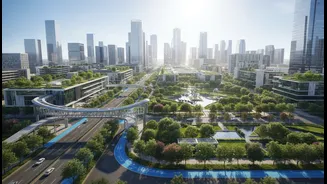
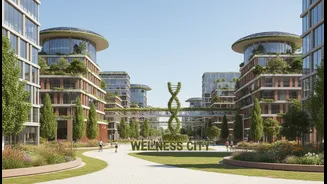
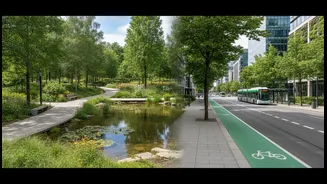
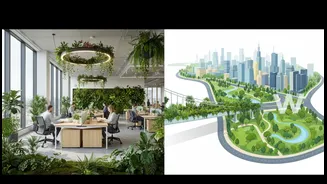
A more effective public health strategy moves beyond individual-blame and focuses on redesigning the environment. This approach, often called 'Healthy Urban Planning', aims to make healthy choices the easy choices. Imagine cities that prioritise people over cars, with extensive networks of safe, well-lit sidewalks and dedicated cycling lanes. Such 'active transport' infrastructure not only reduces pollution but also integrates physical activity into daily routines. Increasing accessible green spaces is another critical factor, as they are proven to reduce stress and improve mental well-being. Some Indian cities, including Pune and Bhubaneswar, have already started implementing initiatives to improve walkability and cycling infrastructure. Furthermore, public policy can play a role in ensuring better access to affordable, nutritious food. The goal is to create an urban blueprint that embeds health into the very fabric of the city, from its transport networks to its public parks and housing policies.
A Community-First Approach
Beyond physical infrastructure, fostering community connection is a powerful public health tool. Health is not just a physical state but also a social and mental one, as defined by the World Health Organization. When wellness becomes a shared goal rather than an individual race, it becomes more sustainable and supportive. Community-based health programmes have shown success across India. Initiatives that establish peer educator networks, where young people share health information and support each other, have proven effective in addressing topics from nutrition to mental health. These programs create trusted sources of information and build a sense of collective responsibility. Creating special clinics with adolescent-friendly hours or launching community-wide wellness days can also improve access and engagement. By shifting the focus from self-optimisation to community support, we can build resilience and foster a more inclusive and compassionate culture of health.