


Before You Begin: Monsoon Prep
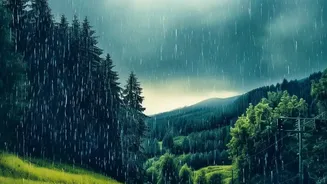
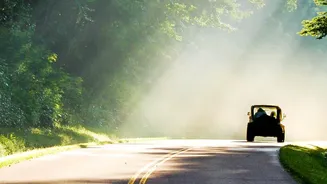
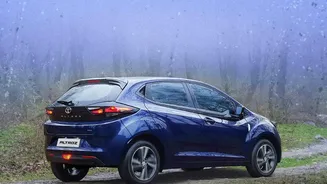
A monsoon drive in the Western Ghats is spectacular, but it requires preparation. Ensure your vehicle's tyres, wipers, and brakes are in top condition. The route, particularly the ghat sections, will have wet roads and reduced visibility due to fog and rain.
For your camera, a waterproof bag or cover is essential. A lens hood can help prevent raindrops from hitting your lens, and a microfiber cloth is a must-have for wiping away moisture. Pack a polarising filter to cut through glare on wet surfaces and make the greens of the foliage pop. Most importantly, drive slowly, be patient, and never stop in a dangerous or blind curve to take a picture. Safety always comes first.
First Stop: The Plains Near Hassan
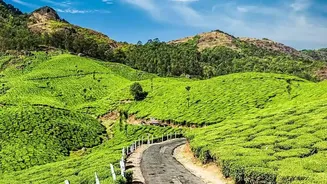
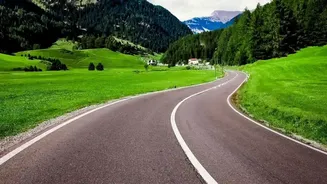
The journey truly begins after you leave the city's hustle and cross Nelamangala. The stretch towards Hassan offers its own subtle beauty. While not mountainous, the landscape here is a vast canvas of emerald green fields and coconut groves under dramatic monsoon skies. Look for opportunities to capture leading lines with the highway stretching into the horizon, flanked by vibrant greenery. The overcast skies provide a soft, diffused light, perfect for capturing the landscape without harsh shadows. This section of the drive is a great warm-up, allowing you to photograph expansive views before you enter the dense ghats.
Detour for a Dose of History: Belur
A slight detour will take you to the historic town of Belur, home to the magnificent Chennakesava Temple. While the main attraction is its Hoysala architecture, the monsoon adds another layer to its photographic appeal. The wet, dark stone of the temple contrasts beautifully with the lush greenery that surrounds it. You can capture stunning shots of the intricate carvings with raindrops glistening on their surfaces. Focus on the details and textures of the ancient stone, or frame the temple against the moody, grey sky for a powerful image that blends history with the season's atmosphere.
Through the Coffee Heartlands: Chikmagalur to Balehonnur
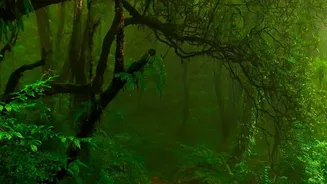
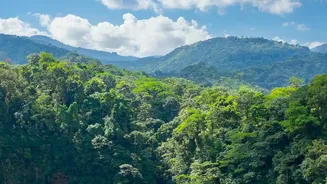
As you drive past Belur and head towards the ghats via the Chikmagalur region, you'll enter the heart of Karnataka's coffee country. The road winds through rolling hills draped in coffee plantations. During the monsoon, this area is perpetually shrouded in a gentle mist, creating an ethereal atmosphere. Stop at a safe spot along the road to capture the layers of hills fading into the fog. The patterns of the coffee bushes on the slopes make for great compositions. Frame your shots with overhanging, rain-drenched branches to add a sense of depth and place the viewer right in the middle of the misty estates.
The Main Event: Agumbe Ghat Road
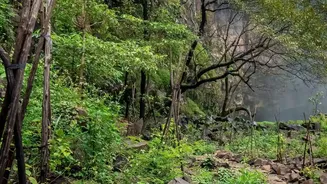
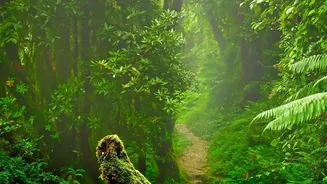
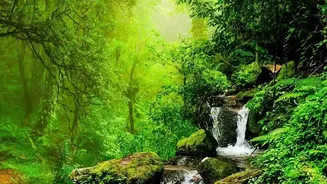
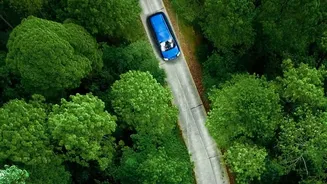
The final ascent to Agumbe is via its famous ghat road, a thrilling stretch with numerous hairpin bends. This is where the monsoon's drama is at its peak. The road is narrow and flanked by dense rainforest, with small, seasonal waterfalls appearing at every turn. Your best photo opportunities here are the views looking down into the valley from the bends, where you can see the road snaking below. The constant mist can make visibility poor, but it also creates incredibly moody and atmospheric shots. Use a faster shutter speed to freeze the motion of the waterfalls or a slower one to create a silky, flowing effect. Remember to be extremely cautious and only stop at designated viewpoints.
Destination Agumbe: The Sunset Point and Beyond
Once in Agumbe, the Sunset View Point is an essential stop. While a clear sunset over the Arabian Sea is rare during the peak monsoon, the viewpoint offers a breathtaking panorama of the cloud-filled valleys of the Western Ghats. The sight of fog rolling across the hills is a spectacle in itself. Beyond this point, explore the surrounding area. The Jogi Gundi Falls and Onake Abbi Falls are magnificent during this season, offering powerful displays of nature. The entire region, known as the 'Cherrapunji of the South', is a biodiversity hotspot, so keep an eye out for unique flora and fauna, including the famous King Cobra, for which the area has a dedicated research station.