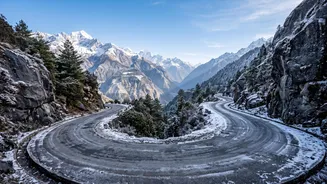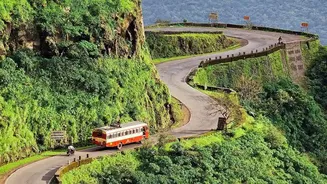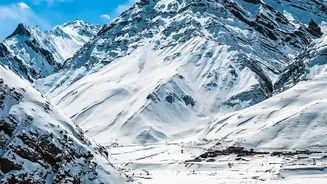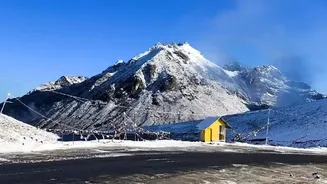



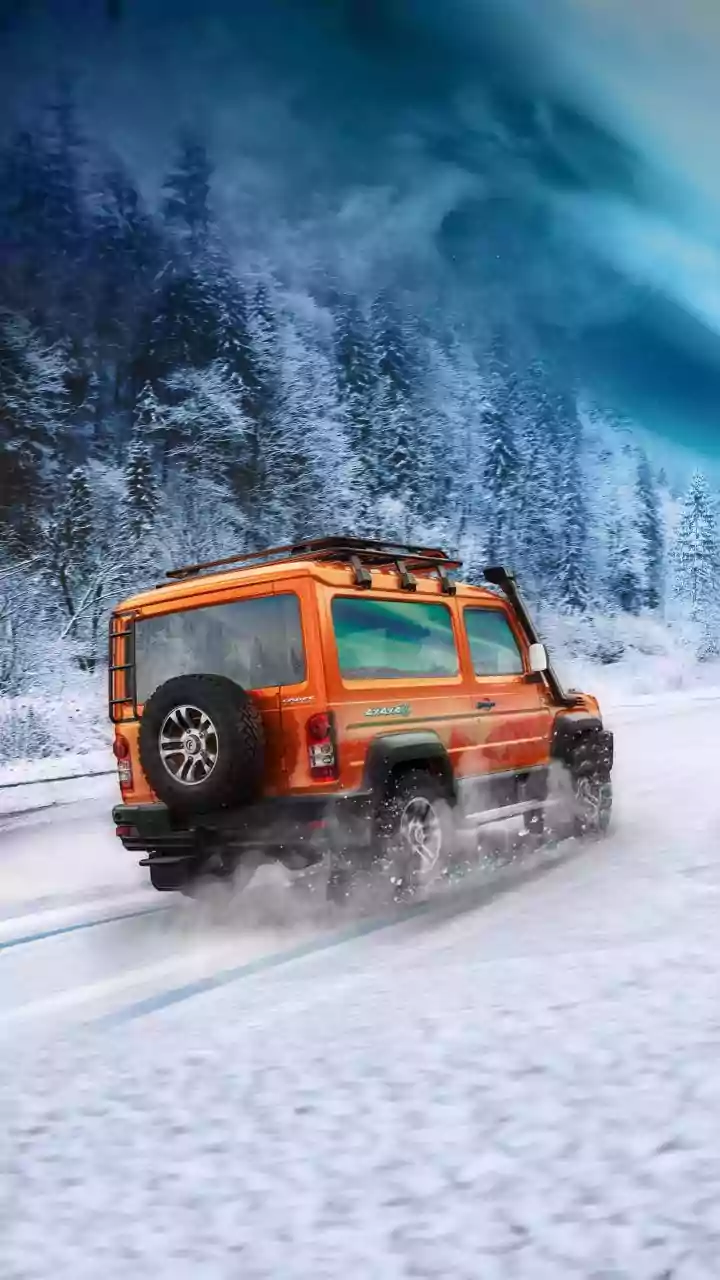


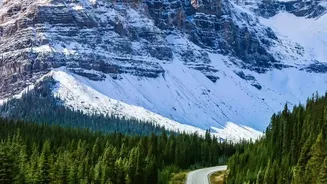

The dream of an early winter road trip through the Himalayas involves stunning vistas and thrilling roads. But as the altitude climbs, you might notice your car feeling sluggish. This isn't just your imagination; it's a matter of physics.
The Science Behind Power Loss
The core of the
issue is air density. An internal combustion engine works by burning a precise mixture of fuel and air. As you ascend, atmospheric pressure drops, and the air becomes thinner, meaning there are fewer oxygen molecules in every cubic foot. With less oxygen available for each combustion cycle, your engine can't burn fuel as effectively. The result is a direct and noticeable loss of horsepower and torque. As a general rule of thumb, a standard 'naturally aspirated' engine (one without a turbo or supercharger) loses about 3% of its power for every 1,000 feet (or 300 metres) of elevation gain. This means that by the time you reach a high mountain pass like Khardung La, which sits over 17,000 feet, your engine could be operating with roughly half of its sea-level power.
Turbocharged vs. Naturally Aspirated Engines
This is where the type of engine in your vehicle becomes critical. Naturally aspirated engines, which rely solely on atmospheric pressure to draw in air, are the most affected by altitude. They have no way to compensate for the thinner air. Turbocharged engines, however, perform significantly better at high altitudes. A turbocharger uses exhaust gases to spin a turbine that forces compressed air into the engine. This compression effectively makes the thin, high-altitude air denser, packing more oxygen into the cylinders and offsetting the power loss. This is why turbocharged diesel engines, common in popular SUVs and trucks in India, are often the preferred choice for Himalayan journeys. While they still experience some power reduction, it's far less dramatic than in their naturally aspirated counterparts.
The 'Early Winter' Complication
An early winter trip adds another layer of complexity: the cold. Freezing temperatures bring their own set of challenges for your engine. For diesel vehicles, the primary concern is 'gelling'. Regular diesel fuel contains paraffin wax, which can crystallize in extreme cold, turning the fuel into a thick gel that clogs fuel filters and lines, starving the engine. It is crucial to use winter-grade diesel or an anti-gel additive. Cold weather also reduces battery efficiency, making it harder for the engine to crank and start. This is especially true for diesel engines, which rely on glow plugs to pre-heat the combustion chamber. Furthermore, you must ensure your engine coolant has the correct ratio of antifreeze to prevent the water in your cooling system from freezing and cracking the engine block.
Practical Tips for Your Himalayan Drive
Preparation is everything. Before you leave, get your vehicle thoroughly serviced. Pay special attention to the brakes, battery, coolant, and all essential fluids. Have the air and fuel filters changed. While on the road, adapt your driving style. With less power available, you'll need to use lower gears more frequently, especially on inclines, to keep the engine in its optimal power band and prevent overheating. Avoid overloading your vehicle, as extra weight will only exacerbate the feeling of power loss. Don't 'ride' the brakes on descents; use engine braking by shifting into a lower gear to maintain control and prevent your brakes from overheating. Listen to your car. If it feels unusually sluggish or starts to overheat, pull over when it's safe and let it rest.