



The Golden Queen of Tripura
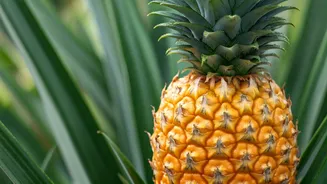
What makes a pineapple worthy of a 'Queen' title and a Geographical Indication (GI) tag? In Tripura, the answer is found in its exceptional sweetness, spiny golden-yellow hue, and a distinctly fragrant aroma that sets it apart. Awarded the GI tag and declared
the official state fruit, the Queen pineapple is smaller than other varieties and celebrated for its juicy flesh and low fibre. Grown organically in the region’s fertile, hilly terrain, which is blessed with ample rainfall, this pineapple variety benefits from traditional farming practices that avoid chemical pesticides and fertilizers, contributing to its unique flavour profile. For generations, local farmers have cultivated this fruit, which forms a deep connection to the land and the livelihoods of many, especially within the tribal communities.
From Local Gardens to Global Tables
For years, the Queen pineapple was a well-kept secret, cherished locally but unknown to the wider world. However, a concerted push by the state government and farmer collectives has changed its trajectory. The journey from local consumption to international export marks a significant chapter in Tripura's agricultural story. This ambition was recently showcased at the Tripura Global Pineapple Festival 2026 in New Delhi, an event designed to connect farmers with national and international buyers and spotlight the fruit on a global stage. These efforts are bearing fruit, with consignments being exported to markets in the Middle East, such as Dubai and Qatar, and even reaching European countries like Germany and Holland. This global outreach is not just about commerce; it's about making the Queen pineapple an ambassador for Tripura's rich horticultural heritage.
Overcoming Thorny Challenges
The path to success hasn't been without its obstacles. Pineapple growers in Tripura have historically faced numerous challenges, including a lack of organized marketing channels, price fluctuations, and inadequate storage and transport infrastructure, which are critical for a perishable fruit. The small size of the fruit, while unique, also presented challenges for export markets that often prefer larger varieties. To address these issues, the government has launched ambitious projects like the 'Mission Queen Pineapple', a ₹236 crore initiative aimed at boosting the entire value chain. The mission focuses on creating robust infrastructure, including pack houses, refrigerated transport, and processing units, to ensure farmers get better prices and their produce reaches markets in prime condition. These initiatives are empowering farmers, who once sold their fruit for meagre prices, to now earn significantly more by accessing a wider market.
A Symbol of State Pride
The Queen pineapple is now much more than an agricultural commodity; it's a source of immense state pride and a key part of Tripura's identity. The annual pineapple festivals are vibrant celebrations of the state's culture, featuring not just the fruit but also local handicrafts, music, and cuisine. These events help promote tourism and showcase the broader potential of the region. The state produces an impressive 1.78 to 1.87 lakh metric tonnes of pineapples annually, with the Queen variety being the crown jewel. Beyond the fresh fruit, the focus is expanding to value-added products. This includes everything from juices and jams to the innovative use of pineapple fibre for textiles and the extraction of bromelain, an enzyme with pharmaceutical applications. This diversification ensures that every part of the harvest contributes to the economic ecosystem.