






Embrace Cross-Ventilation
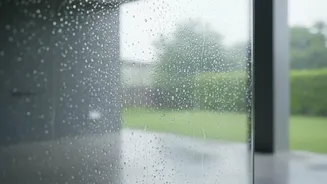
The simplest and most effective weapon against indoor dampness is good air circulation. Trapped air holds moisture, creating a breeding ground for mould. Make it a daily habit to open windows and doors for at least 30 minutes, even if it’s not particularly
sunny. Creating a cross-breeze by opening windows on opposite sides of your home is especially effective, as it pushes out the humid indoor air and draws in fresher, drier air. This simple, cost-free method prevents the build-up of stagnant, moisture-laden air that defines the monsoon months.
Use Natural Dehumidifiers
You don't always need a machine to fight moisture. Several common household items are excellent at absorbing excess humidity. Placing bowls of coarse sea salt or uncooked rice in damp corners, cupboards, or rooms can work wonders. Another powerful and natural option is activated charcoal, which is porous and highly effective at trapping moisture and odours. For your wardrobes, small cloth pouches filled with camphor, neem leaves, or cloves can keep your clothes from developing that dreaded musty smell while also repelling insects.
Protect Your Wardrobe and Linens
Clothes and linens are particularly vulnerable to dampness, often leading to fungal growth and unpleasant odours. The key is to ensure everything is completely dry before storing it away. During the monsoon, avoid packing clothes too tightly in cupboards to allow some air to circulate. Placing silica gel packets inside shelves and drawers is a highly effective way to absorb localised moisture. If you have to dry clothes indoors, do so in a well-ventilated area and consider using a fan to speed up the process, preventing moisture from lingering.
Create Space Around Furniture
Wooden furniture can absorb moisture from the air and from damp walls, causing it to swell, warp, or develop mould. A simple preventative measure is to shift your furniture. Move sofas, cupboards, and wooden tables at least six inches away from walls, especially external ones that are more exposed to rain. This gap allows air to circulate freely behind the furniture, preventing moisture from getting trapped and protecting both your walls and your valuable pieces from damage.
Seal All Leaks and Cracks
Prevention is always better than cure. Before the monsoon fully sets in, or even during a dry spell, thoroughly inspect your home for any potential entry points for water. Check for cracks in the walls, gaps around window frames, and potential leaks in the roof or plumbing. Sealing these gaps with appropriate fillers or sealants can save you from a lot of trouble later. A small, unnoticed crack can allow a surprising amount of water to seep in, creating persistent damp patches that are difficult to treat once the rains are constant.
Roll Up Your Carpets
Carpets and rugs act like giant sponges, soaking up moisture from the humid air and from wet footwear. This makes them a prime location for mould, mildew, and dust mites to thrive. The most practical solution for the rainy season is to roll up your carpets and store them in a dry place until the monsoon passes. If you prefer to keep them out, ensure you vacuum them more frequently than usual. Avoid any deep cleaning with water unless you have a way to dry them completely and quickly.
Invest in a Dehumidifier
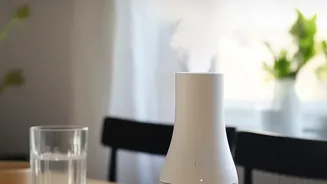
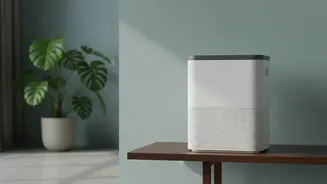
For homes in extremely humid areas or for rooms that are persistently damp, an electric dehumidifier can be a game-changer. These appliances work by drawing in air, cooling it to extract the moisture, and then releasing the drier air back into the room. While it is an investment, a dehumidifier is one of the most efficient ways to maintain a stable and healthy indoor humidity level, offering significant relief from the stickiness and mustiness associated with the monsoon. They are particularly useful for basements, bathrooms, and laundry areas.