






The Power of Being Watched
The single biggest advantage of an open kitchen is transparency. When chefs and kitchen staff know they are being observed by patrons, their behaviour naturally changes. This isn't just a theory; it's a well-documented psychological principle. Studies
have shown that the simple act of being watched encourages employees to be more diligent and adhere to hygiene protocols more strictly. The constant, passive oversight from the dining room acts as a powerful, real-time quality control mechanism. It fosters a culture of accountability where cutting corners on cleanliness or proper food handling becomes a much riskier proposition. For diners, this visibility builds immediate trust. Seeing a clean, organized kitchen and attentive staff provides a level of reassurance that a closed door never could.
More Than Just Hygiene Theatre
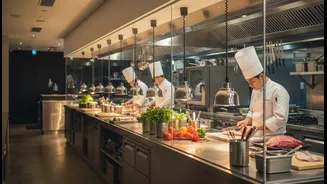
Sceptics might dismiss open kitchens as mere 'hygiene theatre'—a term used to describe visible actions that make people feel safe but may not significantly reduce risk. And while a poorly managed open kitchen can indeed be just for show, a truly transparent operation offers much more. It showcases the skill and artistry of the chefs, turning meal preparation into a form of entertainment. This multi-sensory experience—the sounds of sizzling pans, the sight of fresh ingredients, the aroma of cooking—can enhance a diner's appreciation and even the perceived taste of the food. Research from institutions like the UCL School of Management found that transparency between customers and employees improves service quality and efficiency, leading to higher customer satisfaction. It's a statement of confidence from the restaurant, telling customers, "We have nothing to hide."
An Informed Diner's Checklist
Having a view into the kitchen is one thing; knowing what to look for is another. As an informed diner, you can turn a passive glance into an active safety check. First, observe the overall organization. Is the kitchen tidy and are the workstations well-organized, even during busy periods? Look for clean surfaces, floors, and uniforms. Notice the food handling practices. Are staff using gloves or tongs when appropriate? Is there a clear separation between raw meats and other ingredients to prevent cross-contamination? Pay attention to personal hygiene. Are chefs wearing hairnets or caps, and are they washing their hands frequently, especially after handling different types of food? A professional, calm demeanour among the staff, even under pressure, often signals a well-run and safe kitchen environment.
The Limits of Transparency
While beneficial, an open kitchen is not an absolute guarantee of food safety. Many critical food safety processes happen out of sight. The deep-cleaning schedule, the temperature of the walk-in freezer, the sourcing of ingredients, and the pest control plan are all vital components that remain invisible to the diner. Some restaurants may adopt a semi-open concept, where the 'theatre' of cooking is visible, but the less glamorous prep and cleaning areas are hidden. Therefore, the open kitchen should be seen as one positive indicator among many. It builds trust and encourages good behaviour, but it doesn’t eliminate the need for robust, behind-the-scenes food safety management systems and proper regulatory oversight.
The Indian Appetite for Openness
In India, the open kitchen trend is resonating strongly with an increasingly discerning urban population. As diners become more globally aware and health-conscious, their expectations for hygiene and quality have risen. The open kitchen serves as a powerful marketing tool, signalling a commitment to modern standards and transparency. It bridges the trust deficit that can sometimes exist, offering a clear answer to the age-old question: "What's really going on in the kitchen?" This shift reflects a maturing dining culture where the experience is as important as the food itself, and trust is the most valuable ingredient on the menu.