


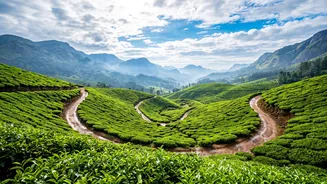
The Classic Monsoon Dream: Goa & Kerala
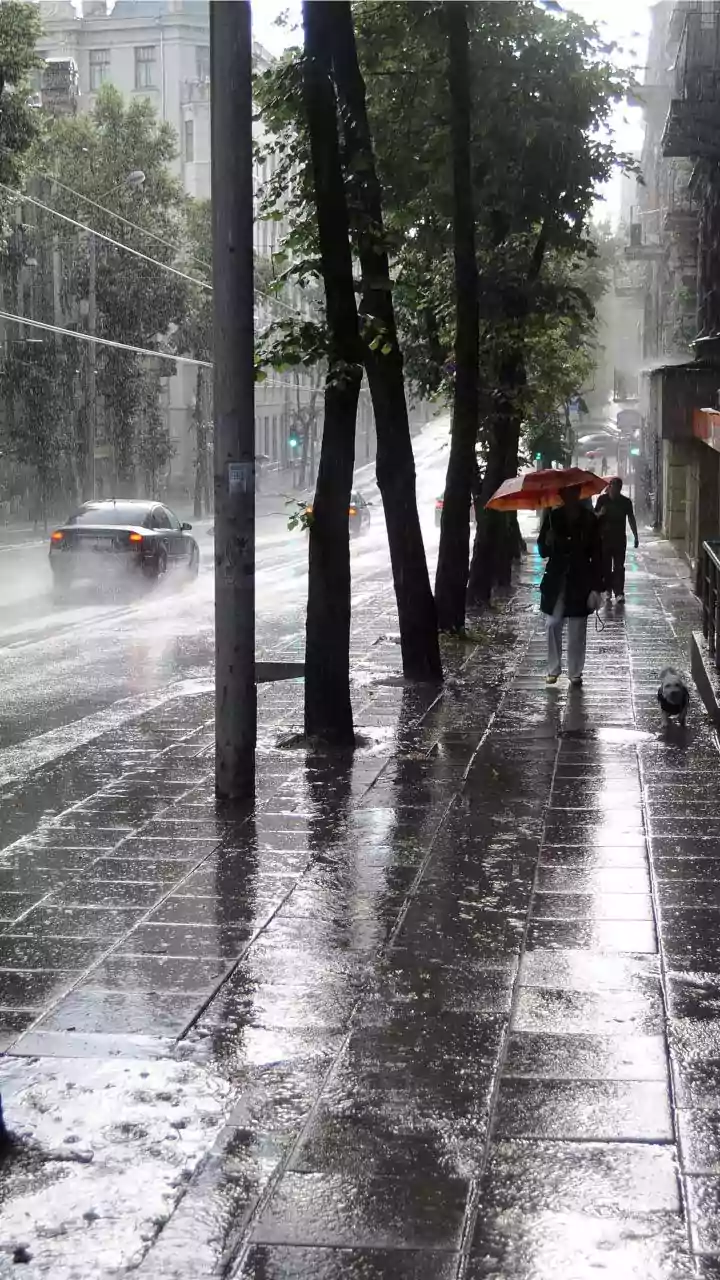
From June to September, the southwest monsoon transforms Goa and Kerala into lush, green paradises. The appeal is undeniable: dramatic grey skies, the fresh scent of wet earth, and waterfalls like Dudhsagar in Goa at their thundering best. It's a time
for quiet introspection, for enjoying a cup of chai while watching the rain from a resort balcony. In Kerala, it’s the peak season for traditional Ayurvedic treatments, as the cool, moist air is considered ideal for therapies. This is the 'off-season,' which means fewer crowds and significant discounts on flights and luxury stays, making it a budget-friendly option for those seeking tranquility. However, this idyllic picture comes with caveats. Heavy rainfall is frequent, seas are rough, and swimming or water sports are often prohibited. Many of Goa's famous beach shacks are closed, and in the hilly regions of Kerala, there is a risk of landslides during intense downpours.
The Rain Shadow Alternative: Ladakh's Dry Spell
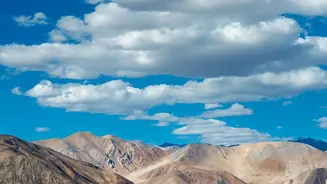
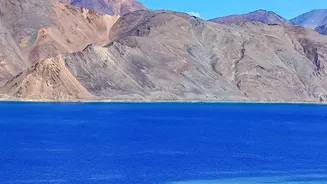
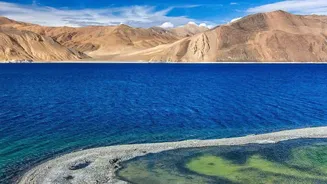
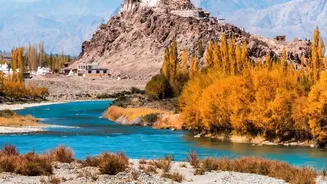
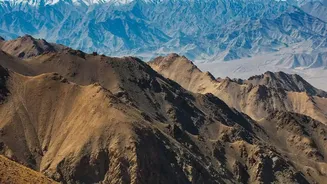
While most of India is under a blanket of clouds, Ladakh experiences its peak summer. Lying in a Himalayan rain shadow, the mountains block the monsoon clouds, resulting in a dry, sunny, and pleasant climate. Instead of rain-drenched coasts, you get vast blue skies over a high-altitude desert landscape. This makes the period from July to September the best time to visit Ladakh, as all roads and high mountain passes, including Khardung La, are open and accessible. The weather is perfect for the very activities that the monsoon curtails elsewhere: trekking, mountain biking, and road trips through breathtaking scenery. It’s a complete reversal of the typical monsoon experience—a destination that comes alive with sunshine and adventure precisely when others are slowing down.
Vibe and Experience: Cozy Retreat vs. Epic Adventure
The choice between these destinations is fundamentally a choice between two different kinds of holidays. A monsoon trip to Goa or Kerala is about surrender and relaxation. It’s about embracing the rain, enjoying indoor comforts, exploring spice plantations, and experiencing a slower, more atmospheric version of popular places. The vibe is cozy, romantic, and restorative. You travel there to unwind. Ladakh, on the other hand, is for the adventurer. The experience is defined by scale and activity—the vastness of Pangong Tso, the stark beauty of Nubra Valley, and the spiritual energy of ancient monasteries like Thiksey and Hemis. It's a trip for those who want to be active, to explore wide-open spaces, and to witness landscapes of an almost otherworldly scale. You travel there to be awed.
What You Can Do (And What You Can't)
In Goa and Kerala, your activity list is dictated by the weather. You can enjoy the full force of waterfalls, take heritage walks in rain-washed towns, and indulge in local cuisine. However, beach activities, trekking in certain areas, and uninterrupted travel can be difficult. In contrast, Ladakh in these months offers a full spectrum of adventure. It's the ideal time for trekking routes like the Markha Valley, river rafting on the Zanskar, and attending vibrant monastery festivals that often take place in summer. All major sights, from the high-altitude lakes to remote villages like Turtuk, are not only accessible but at their visual peak. While Kerala and Goa force you to slow down, Ladakh encourages you to get out and explore as much as possible.
How to Make Your Decision
Your ideal destination depends entirely on your travel style and expectations. Choose Goa or Kerala if: You love the rain and find it romantic. Your goal is to relax, read, and rejuvenate, perhaps with a focus on wellness or food. You are on a tighter budget and want to take advantage of off-season prices. You enjoy lush, green landscapes and don't mind staying indoors during heavy downpours. Choose Ladakh if: You want guaranteed sunshine and clear skies for outdoor activities. Your idea of a holiday involves adventure, trekking, biking, and exploring vast landscapes. You have a bit more time and budget for a trip that involves significant travel and acclimatisation to high altitude. You want to see a unique part of India that is at its absolute best during these specific months.