





The Shifting Landscape of Child Nutrition
For years, the fight against malnutrition in India has focused on ensuring children get enough calories. While this remains critical, there is a growing understanding that quality is as important as quantity. National initiatives like the Poshan Abhiyaan
are now sharpening their focus, moving beyond just calorie sufficiency to emphasize the importance of nutrient-rich diets. This 'new focus' involves a concerted push towards greater dietary diversity and adequate protein intake, recognizing these as foundational pillars for a child's healthy development. The goal is to address the 'hidden hunger' where a child might feel full but still lacks the essential vitamins, minerals, and proteins needed for optimal growth.
Protein: The Body's Essential Building Block
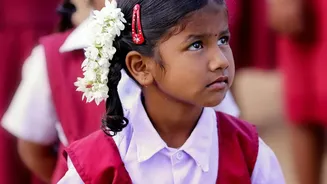
Protein is often called the building block of life, and for good reason. For growing children, it is essential for everything from muscle and bone growth to brain development and a strong immune system. A significant deficiency in protein can lead to serious issues, including stunted growth, fatigue, frequent illnesses, and difficulty concentrating in school. In India, where many diets are traditionally carbohydrate-heavy, ensuring sufficient protein intake can be a challenge. Experts point out that many children consume only about half of their daily required protein. This gap can have long-lasting effects on a child's physical and cognitive potential.
Beyond Roti and Rice: The Power of Variety
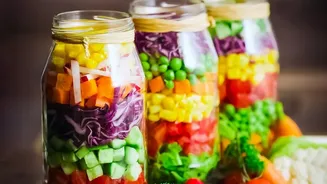
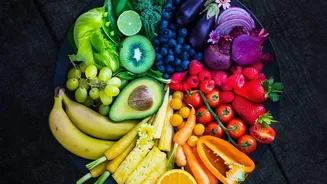
A plate that is full of colour is often a plate that is full of nutrition. Dietary variety ensures that a child receives a wide spectrum of micronutrients—vitamins and minerals—that are not all present in a single food group. Relying on just a few staple foods, even healthy ones, can lead to deficiencies in key nutrients like iron, zinc, and Vitamin A. Introducing a variety of foods also helps develop a child's palate and encourages healthier eating habits for life. The secret, nutritionists explain, isn't about finding one 'superfood,' but ensuring a balanced mix of different dals, seasonal vegetables, fruits, and dairy. This variety works synergistically, helping the body better absorb and utilize all the nutrients from the food consumed.
Putting It On The Plate: Simple Steps for Parents
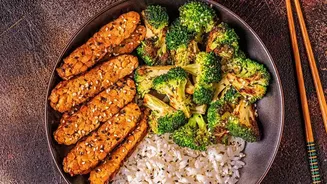
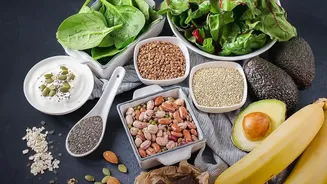
Incorporating more protein and variety into a child's diet doesn't require a complete overhaul of the kitchen. Simple, practical changes can make a huge difference. For protein, this can mean including a generous portion of dal, legumes like chana or rajma, paneer, eggs, or curd with every main meal. Combining a cereal (like rice or roti) with a pulse (like dal) creates a complete protein that is highly beneficial. For variety, parents can make it a goal to introduce one new vegetable or fruit each week, use different types of dals instead of the same one, and incorporate colourful vegetables into everyday dishes like parathas, idlis, or pulao. Snacks can also be a great opportunity to boost nutrition. Swapping packaged biscuits for options like roasted chana, a handful of peanuts, or a fruit can significantly enhance a child's daily nutrient intake.