
Beyond the Bag: What Is Speciality Tea?
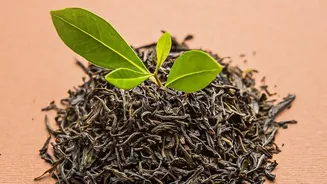
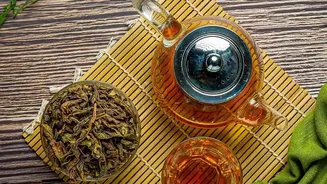
Before you can shop for it, it helps to know what makes a tea “speciality.” Unlike the commodity tea found in most mass-market tea bags, which is blended for uniformity, speciality tea is all about quality and unique character. It often consists of whole
or large leaves, carefully harvested and processed to preserve their distinct aromas and flavours. These teas tell a story about where they came from and how they were made. All “true” teas—black, green, white, and oolong—come from the same plant, Camellia sinensis. The vast differences in taste come from the plant's varietal, its growing conditions, and how the leaves are processed after picking.
Start with a Map: The World of Tea Origins
One of the most important factors influencing a tea's flavour is its origin. Much like wine, tea has 'terroir'—the unique combination of soil, climate, and altitude that gives a tea from a specific place its signature taste. A “single-origin” tea comes from one specific farm or region, offering a pure expression of that location. For example, a black tea from Assam in India is typically robust and malty, perfect for a strong breakfast brew. A green tea from Japan, like Sencha, is often steamed, giving it a fresh, vegetal, or even marine-like quality. Knowing just a few key regions can give you a powerful starting point: Darjeeling (India) is known for its delicate, floral black teas, while teas from Yunnan (China) are often earthy and smooth.
Single Origin vs. Blends: A Key Decision
Your next decision is whether to go for a single-origin tea or a blend. As we've seen, single-origin teas are about showcasing the unique character of one location. Blends, on the other hand, are like a curated recipe. Tea masters mix leaves from different origins or add other ingredients to create a specific, consistent flavour profile. Classic examples include English Breakfast, a robust blend of black teas designed to be consistent year after year, or Earl Grey, which is typically a black tea blended with bergamot oil. There’s no right or wrong choice here; it depends on what you’re looking for. Do you want the pure, unadulterated taste of a specific place, or a balanced, intentional flavour creation?
Decoding the Ingredients List
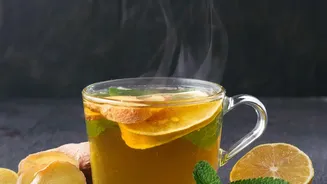
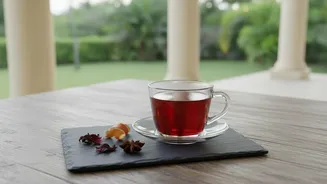
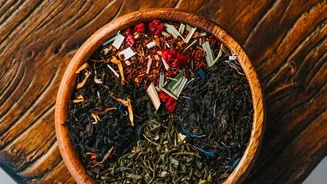
This is where the second part of your plan comes in: ingredients. Beyond the tea leaves themselves, many speciality teas feature botanicals, spices, fruits, and flowers. These are known as herbal teas, tisanes, or infusions if they don't contain any Camellia sinensis leaves, or as scented/flavoured teas if they do. Common additions include the soothing chamomile flower, invigorating peppermint, spicy ginger root, and tart hibiscus. When looking at blends, check whether they use natural ingredients like dried lemon peel and real cinnamon bark, or artificial flavourings. High-quality blends prioritise real, identifiable ingredients that complement the tea base rather than overpowering it.
Build Your Personal Flavour Profile
Now, turn the focus inward. What flavours do you already enjoy? If you like dark roast coffee, a malty Assam black tea might be a great fit. If you prefer fresh, grassy notes, a Japanese or Chinese green tea could be your perfect match. Do you enjoy floral aromas? Look for teas with jasmine or rose. Thinking about your existing palate is the easiest way to start building a “flavour map.” Don't feel pressured to like what’s popular; the goal is to find what delights you. Start by identifying one or two flavour profiles that sound appealing—like “fruity and bright” or “toasted and nutty”—and use those as keywords when you shop.
Your Shopping Strategy in Action
Armed with your plan, you’re ready to shop. When you enter a store or browse online, you can now narrow your focus. Ask a shopkeeper, “Can you recommend a single-origin black tea from India?” or “I’m looking for a green tea blend with citrus notes.” This is much more effective than saying, “I want to try some tea.” Don’t be afraid to ask for help or smell the dry leaves, which should have a vibrant, fresh aroma. Many shops offer small sample sizes, which are a fantastic, low-commitment way to explore different varieties before buying a large quantity. Start small, take notes on what you like, and your confidence will grow with every cup.