






More Than Just a Day
National Handloom Day, commemorated annually on August 7th, was established to honour the country's weaving community and highlight the sector's contribution to India's cultural and economic fabric. The date itself holds historical significance, chosen
to mark the Swadeshi Movement which began in 1905 and encouraged the use of local goods, with handloom at its heart. This year's celebrations in New Delhi will see weavers recognized for their exceptional contributions, but the day's purpose extends to every citizen. It serves as a national reminder of the living heritage that is handloom—a craft that has been passed down through generations and remains a source of livelihood for millions.
The Soul of the Fabric: Craft Skills
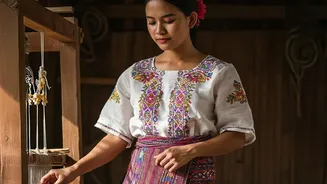
When you choose a handloom product, you are not just buying a piece of cloth; you are acquiring a story woven with skill and patience. Unlike mass-produced textiles, handloom fabric is made entirely by hand on a loom, a process that is both an art and a science. These skills, often unique to a specific region, represent generations of accumulated knowledge in weaving, dyeing, and finishing. Each piece carries the signature of its maker, with slight variations that are not flaws but testaments to its handmade origin. However, this invaluable human capital faces challenges from mechanised looms and a rapidly changing market, making its preservation more critical than ever.
Weaving a Greener Future
In an era of fast fashion and growing environmental concerns, handloom stands out as a model of sustainable production. The process is inherently eco-friendly, with a minimal carbon footprint as looms are powered by human energy, not electricity. Many weaving communities use natural fibres like cotton, silk, and wool, which are biodegradable. Furthermore, the tradition often includes the use of natural dyes derived from plants and minerals, avoiding the chemical pollution associated with industrial dyeing. By embracing handloom, consumers are supporting a 'slow fashion' movement that values quality, durability, and environmental responsibility.
What This Means for You, the Shopper
Your purchasing decisions hold immense power. Choosing handloom is a direct investment in the livelihoods of artisans and the preservation of India's cultural heritage. It empowers rural communities, particularly women, who form a significant part of the handloom workforce, providing them with financial independence. As a conscious shopper, you can look for authentic products, ask questions about their origin, and support organisations that work directly with weaving clusters. This ensures that the economic benefits flow to the creators. Initiatives like using hashtags such as #iwearhandloom on social media also help raise awareness and build a community of support.
How to Buy Authentic Handloom
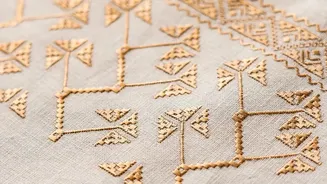
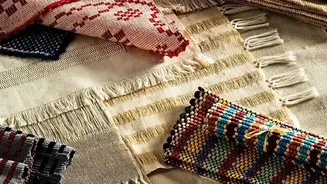
Discerning authentic handloom from power-loom imitations can be tricky, but there are tell-tale signs. Genuine handloom fabrics often have a certain texture and minor irregularities in the weave, which are absent in machine-made cloth. The reverse side of a handwoven design is often a near mirror image of the front, another sign of skilled hand-weaving. To be more certain, shoppers can look for the 'Handloom Mark', a government-backed logo that certifies the product's authenticity. Buying from government emporiums, artisan-led exhibitions, and reputable NGOs or brands that are transparent about their supply chains are also reliable ways to ensure you are getting the real thing and supporting the artisans fairly.