




More Than Just Muscle
The image of strength training is getting a major rebrand. Once confined to the grunting sounds of the weights corner, lifting has moved into the mainstream wellness space, finding a new home alongside yoga, pilates, and mindfulness. Fitness trends for
2026 show a significant shift away from aesthetics and toward longevity and function. This isn't about chasing a specific body type anymore. Instead, people are picking up dumbbells and barbells to build a stronger foundation for a longer, healthier, and more capable life. The conversation has evolved from how much you can lift to how lifting makes you feel, both physically and mentally. This pivot is especially prominent among women, who are increasingly embracing weight training for its empowering effects and long-term health advantages.
A Powerful Tool for Mental Wellness
Perhaps the biggest reason for lifting's entry into the wellness chat is its incredible impact on mental health. Research consistently shows that resistance training is a powerful way to reduce stress, anxiety, and symptoms of depression. Exercise releases mood-boosting chemicals like endorphins, dopamine, and serotonin, promoting feelings of happiness and well-being. But strength training offers something more: a tangible sense of progress and self-efficacy. Watching yourself get stronger week by week builds a unique form of confidence that translates outside the gym. Studies have shown that simply completing a workout, regardless of the weight lifted, can significantly improve mood. It provides a focused, mindful break from daily stressors, allowing you to connect with your body in the present moment.
Building a Resilient Body for Life
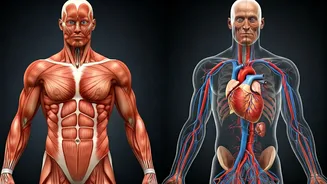
While the mental benefits are drawing people in, the long-term physical rewards are what make them stay. Strength training is one of the most effective strategies for healthy aging. Starting around age 30, adults naturally begin to lose muscle mass, which can slow metabolism and increase the risk of injury. Weekly lifting directly counteracts this by building and preserving lean muscle. This muscle mass is metabolically active, meaning it helps your body burn calories more efficiently and regulate blood sugar levels, reducing the risk of conditions like type 2 diabetes. Furthermore, weight-bearing exercise places stress on your bones, signaling your body to increase their density. This is a crucial benefit, particularly for women, as it helps prevent osteoporosis and reduces the risk of fractures later in life.
How to Start Your Strength Journey
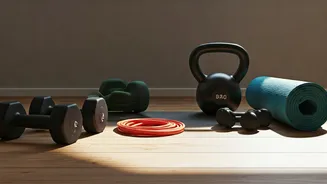
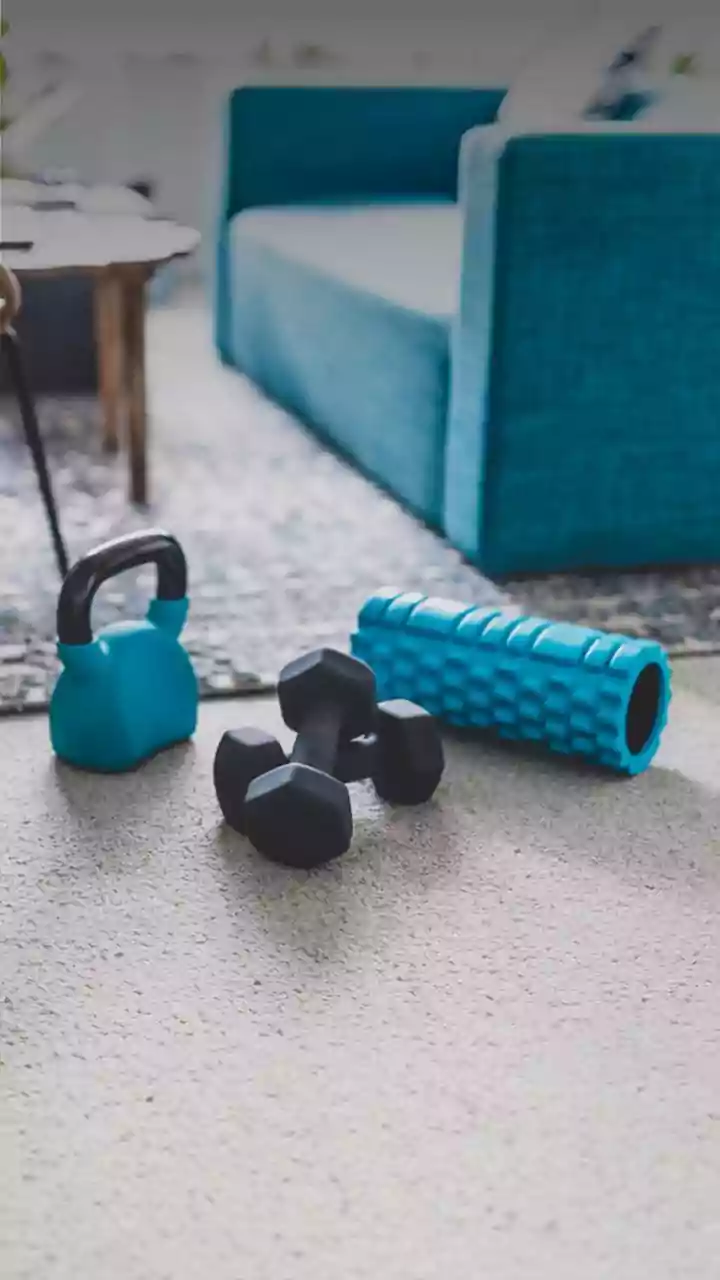
The thought of starting weightlifting can be intimidating, but it doesn't have to be. The focus is on consistency and progression, not heavy lifting from day one. Experts agree that even one or two sessions a week can yield significant benefits. You can start with just your body weight, performing exercises like squats, push-ups, and lunges. Resistance bands are another excellent and inexpensive tool for beginners. As you get more comfortable, you can introduce free weights like dumbbells or kettlebells. The key is to challenge your muscles relative to your current ability and focus on proper form to prevent injury. Many find that working out in a group or with a professional trainer can provide motivation and guidance, removing the 'gymtimidation' factor that often holds people back.