





The City Breathes Anew
After months of scorching heat, the monsoon transforms India’s bustling urban centres. The air cools, dust settles, and a vibrant green begins to push through the cracks of the concrete jungle. This shift doesn't just change the scenery; it triggers a profound
change in the city's hidden ecosystem. The arrival of rain is a powerful biological cue for countless creatures. [4, 21] For many species, the monsoon marks the beginning of their most important season for breeding and raising their young, leading to a noticeable and often magical increase in their activity. [4] Ponds and puddles are replenished, and a surge in insect populations provides a sudden feast for birds, bats, and other animals. [4]
The Peacock's Rain Dance
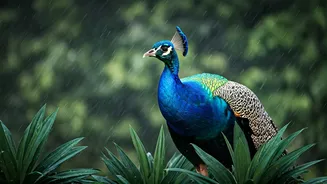
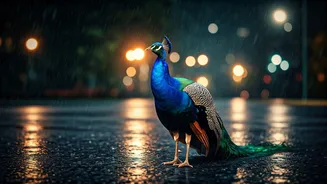
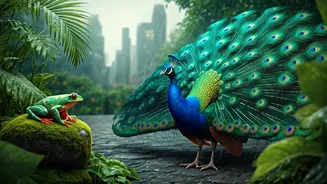
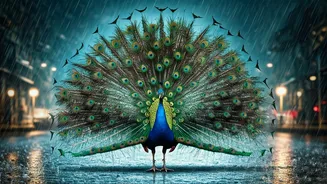
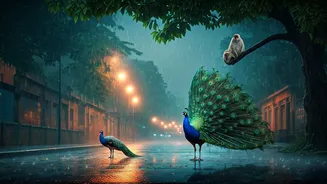
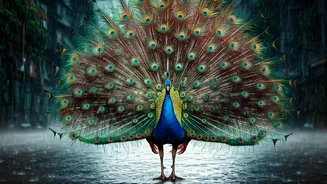
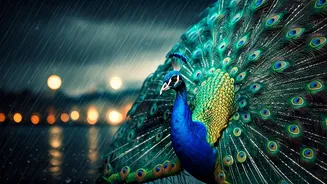
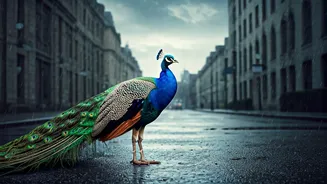
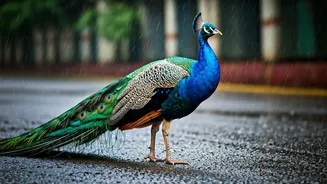
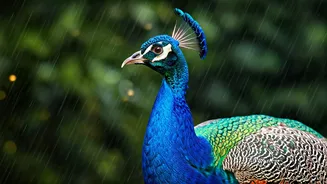
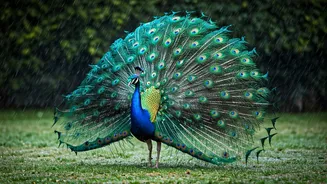
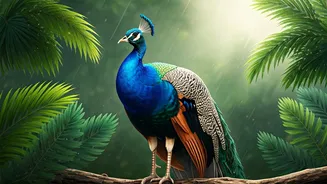
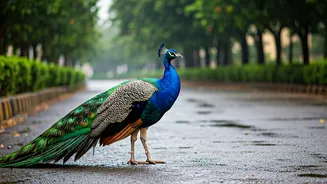
Perhaps no image is more synonymous with the Indian monsoon than a peacock with its iridescent train fanned in a spectacular dance. It’s a sight that has recently captivated residents of South Mumbai, where peacocks were spotted roaming Pedder Road on June 24, shortly after the season's first rains. [14, 16] While folk wisdom says peacocks dance to welcome the rain, the reality is a beautiful coincidence of nature's timing. The monsoon season aligns perfectly with the peacock's breeding season. [2, 3, 7] The magnificent display is a courtship dance, where the male flaunts his health and genetic fitness to attract a peahen. [9] The timing is crucial; the rains ensure a lush environment with plenty of insects for the chicks to feed on once they hatch, giving them the best chance of survival. [2]
A Symphony of Frogs
As dusk falls after a downpour, a new soundscape emerges in our cities: a loud, rhythmic chorus of croaking frogs. Far from being random noise, this is the sound of life beginning anew. Only male frogs croak, and they do so to attract a mate. [15] The monsoon is their prime breeding season because their entire life cycle is dependent on water. [15, 17] The rains fill ditches, ponds, and even small containers, creating the perfect nurseries for them to lay their eggs. [15] Different species, from the common Indian Bullfrog to smaller tree frogs, each add their unique voice to this nightly symphony, a powerful and audible sign that the ecosystem is thriving. [18] This connection is so ancient that in many rural traditions, the croaking of frogs is still seen as a reliable herald of coming rains. [12, 19]
Jewels of the Night
The magic of the monsoon continues after dark, with a quieter but equally enchanting spectacle. In gardens and parks on the edges of cities, especially in regions like the Western Ghats, the pre-monsoon and early monsoon period is the season of fireflies. [5, 10] For a few precious weeks in late May and June, entire trees and patches of forest floor can come alive with thousands of tiny, blinking lights. [6, 8] This mesmerising display is created by a chemical reaction called bioluminescence, and it's all part of their mating ritual. [5, 6] Male fireflies flash their lights in specific patterns to signal to females, who respond with their own faint glow. [6] The high humidity and moisture just before the heavy rains create the perfect conditions for this enchanting light show to take place. [5, 8, 13]