


The New Face of Intercity Travel
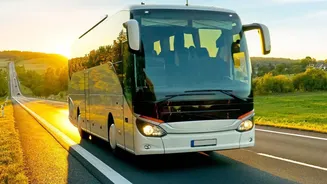
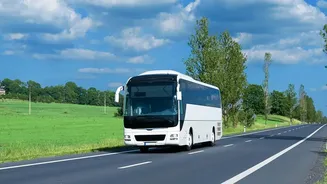
Shared intercity mobility is no longer a niche concept; it's a mainstream movement powered by a generation that values access over ownership. This includes app-based carpooling services like BlaBlaCar and a new wave of tech-enabled, premium bus operators
such as FlixBus and IntrCity SmartBus. These platforms are filling a critical gap in India's transport ecosystem, which has long been plagued by overbooked trains and inconsistent bus services. For journeys between 30 and 500 kilometres, these services offer a compelling blend of affordability and convenience that traditional options often fail to provide. India has rapidly become the largest global market for platforms like BlaBlaCar, which projects it will serve 20 million passengers in the country, surpassing even its home market of France.
Driven by the Digital Generation
The primary engine of this growth is India’s massive population of young, digitally-savvy adults. According to recent data, nearly 70% of users on platforms like BlaBlaCar are between 18 and 34 years old. Similarly, a 2026 survey by IntrCity SmartBus found that nearly three-fourths of their passengers are aged between 18 and 43. This demographic is not just comfortable with technology; they expect it. Around 95% of all activity on major carpooling apps happens on mobile devices, from booking and payment to real-time tracking. For this generation, the ability to book a ride, choose a meeting point, and pay digitally is not a luxury but a baseline expectation.
The 'Smarter' Choice: Cost and Convenience
At its core, the appeal of shared mobility is deeply practical. For young professionals and students, it presents a significantly more economical option. Drivers on carpooling platforms can offset their fuel costs, while passengers gain access to travel at a fraction of the price of a solo cab ride. But it’s not just about being cheap; it's about value. A recent survey highlighted that nearly 70% of travellers would prefer a premium shared bus over a personal car, train, or even a flight for a 400-600 km journey if the fares were identical. This points to a shift where convenience, comfort, and avoiding the stress of driving are becoming just as important as the price tag. Many car owners now prefer not to drive for intercity journeys, choosing the ease of a shared service instead.
Navigating Safety and Trust
While the growth is explosive, trust and safety remain the most critical factors for travellers. It is also cited as the biggest barrier preventing wider adoption, with about a third of potential users expressing safety concerns. In response, platforms are integrating robust safety features. BlaBlaCar, for instance, has implemented ID verification systems where users can validate their identity using government-issued documents. For premium bus services, key considerations include GPS tracking, onboard amenities, and reliable service quality. More than 71% of travellers indicate they are willing to pay a higher price for services that guarantee better safety, reliability, and comfort, proving that the market is maturing from a purely cost-driven model to one that prioritises a quality travel experience.