







The New Digital Word-of-Mouth
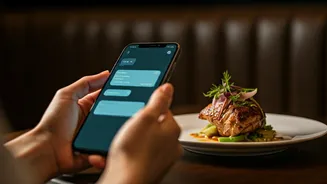
The humble group chat, once reserved for coordinating plans and sharing memes, has evolved into the modern-day town square for foodies. Platforms like WhatsApp have become the primary channel for sourcing dining intelligence. Instead of scrolling through
countless anonymous reviews, people are now simply asking their trusted circle: “Where can I get the best biryani in Koramangala?” or “Has anyone tried that new cafe in Bandra?” The responses that flood in are not just star ratings; they are detailed narratives. They come complete with candid photos, specific dish recommendations, warnings about slow service, and tips on what to avoid—all from people whose tastes you already know and trust. This shift represents the digitisation of the oldest form of marketing: word-of-mouth. It’s faster, more personal, and far more influential than any public-facing platform.
An Antidote to Review Fatigue
Why has this migration to private chats happened? The answer lies in a growing distrust of public review platforms. Many users now view sites like Yelp and even Google Reviews with skepticism, suspecting they are filled with fake five-star ratings, posts manipulated by influencers, or reviews written by bots. It’s become a noisy battleground where some businesses are even reported to challenge and remove negative feedback, skewing the overall picture. In contrast, a recommendation from a friend in a group chat comes with a built-in layer of trust. There’s no hidden agenda, no paid promotion, just an honest opinion. This turn towards trusted peers is a direct reaction to the overwhelming and often unreliable nature of the open internet, where it has become difficult to separate genuine feedback from strategic marketing.
The Good, The Bad, and The Instantly Viral
The stories shared in group chats are often more vivid and compelling than a formal review. A friend’s begeistert text about a mind-blowing dessert, complete with a drool-worthy photo, can create immediate demand within a social circle. Conversely, a horror story about a terrible experience—a rude waiter, a hygiene issue, or a dish gone wrong—can serve as a powerful deterrent. These narratives are not just informative; they are a form of social currency and entertainment. The sharing of a particularly wild dining story, good or bad, can become a talking point for days. It transforms a simple meal into a shared experience, strengthening social bonds within the group. A single message can effectively 'blacklist' or 'crown' a restaurant within a tight-knit community, demonstrating a highly concentrated form of influence.
What This Means for Restaurants
For restaurant owners, this trend presents both a challenge and an opportunity. The old playbook of managing online reviews is no longer enough. The conversations happening in private chats are invisible and uncontrollable, meaning the only way to influence them is by delivering a consistently excellent experience. Every customer who walks through the door is a potential advocate within their own influential network. This makes authentic, high-quality service and memorable dishes more important than ever. Restaurants can no longer rely on a flashy opening or a paid influencer post; their success increasingly depends on turning happy customers into loyal evangelists who will naturally sing their praises in their private digital circles. Personalised service and creating experiences worth sharing are becoming key strategies for survival and growth in this new landscape.