




From Face to Foundation: The Shared Philosophy
At first glance, the link between a bottle of hydrating lotion and the layout of your living room might seem tenuous. Yet, a growing movement in interior design is drawing direct inspiration from the core tenets of Japanese Beauty, or J-Beauty. This isn't
about literal product placement; it's about a shared philosophy. J-Beauty champions a 'less is more' approach, focusing on nurturing the skin's foundation with high-quality, effective ingredients rather than covering it with layers of makeup. The goal is long-term health and a radiant, natural glow. Similarly, the Zen-inspired home layout moves away from clutter and overt ornamentation, focusing instead on creating a calm, functional, and beautiful foundation for daily life. It’s about intentionality—choosing every item, from your face essence to your armchair, with care and purpose.
Principle 1: Kanso (Simplicity and Elimination)
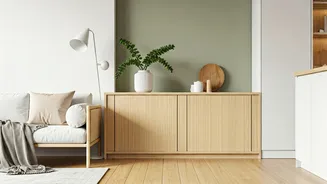
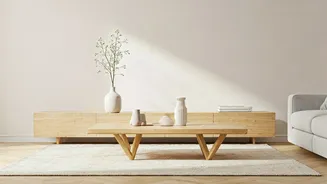
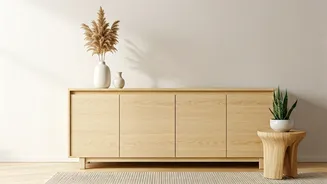
One of the central principles of Japanese aesthetics is *Kanso*, which translates to simplicity or the elimination of clutter. In the J-Beauty world, this manifests as a curated routine. Instead of a 20-step regimen with trendy but ineffective products, the focus is on a few essential, high-performing steps: a gentle cleanser, a hydrating lotion, a moisturiser, and sunscreen. The same logic applies to creating a Zen home. The first step isn't buying new things; it's decluttering. This means thoughtfully removing anything that doesn't serve a purpose or bring you joy. Think clean lines, uncluttered surfaces, and an open floor plan. A *Kanso*-inspired space gives you room to breathe, both literally and mentally, mirroring the refreshing simplicity of a streamlined skincare ritual.
Principle 2: Shibui (Subtle, Unobtrusive Beauty)
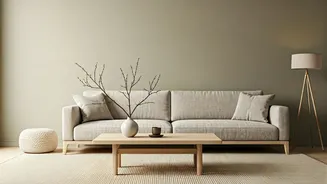
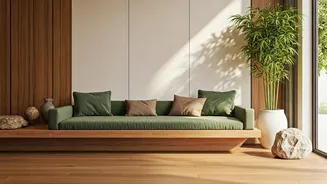
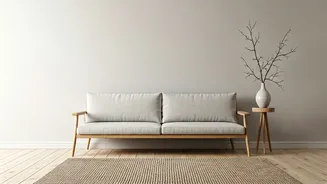
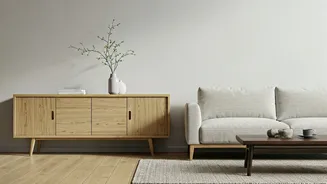
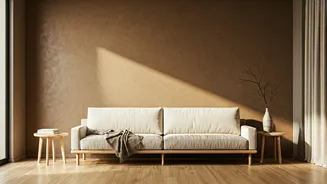
*Shibui* refers to a simple, subtle, and unobtrusive beauty. It's a quiet elegance that becomes more engaging the more you look at it. J-Beauty embodies this by promoting healthy, 'glass skin' that looks great on its own, without needing loud colours or heavy contours. The beauty is in the texture and health of the skin itself. In home design, *Shibui* translates to a preference for natural materials and a muted colour palette. Instead of a bright, statement wall, think of the subtle grain of an oak table, the texture of a linen sofa, or the quiet warmth of a woollen rug. The beauty is inherent to the materials themselves. This approach creates a space that feels grounded, authentic, and deeply calming, rather than one that shouts for attention.
Principle 3: Wabi-Sabi (Beauty in Imperfection)
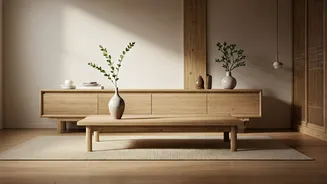
Perhaps the most poetic connection is *Wabi-Sabi*, the appreciation of beauty in imperfection and transience. While Western beauty standards often chase an impossible, airbrushed flawlessness, Japanese philosophy finds charm in the natural and the gracefully aged. This is why J-Beauty focuses on skin health, not on erasing every freckle or line. In your home, *Wabi-Sabi* is an invitation to let go of the pressure to be perfect. It’s the handcrafted ceramic bowl that isn't perfectly symmetrical, the slight wear on a beloved wooden floor, or the patina on a brass lamp. These elements tell a story and add character and warmth to a space, preventing minimalist design from feeling cold or sterile. It’s about embracing the history and life within your objects, celebrating them as unique rather than flawed.
Principle 4: Creating a Ritual Space
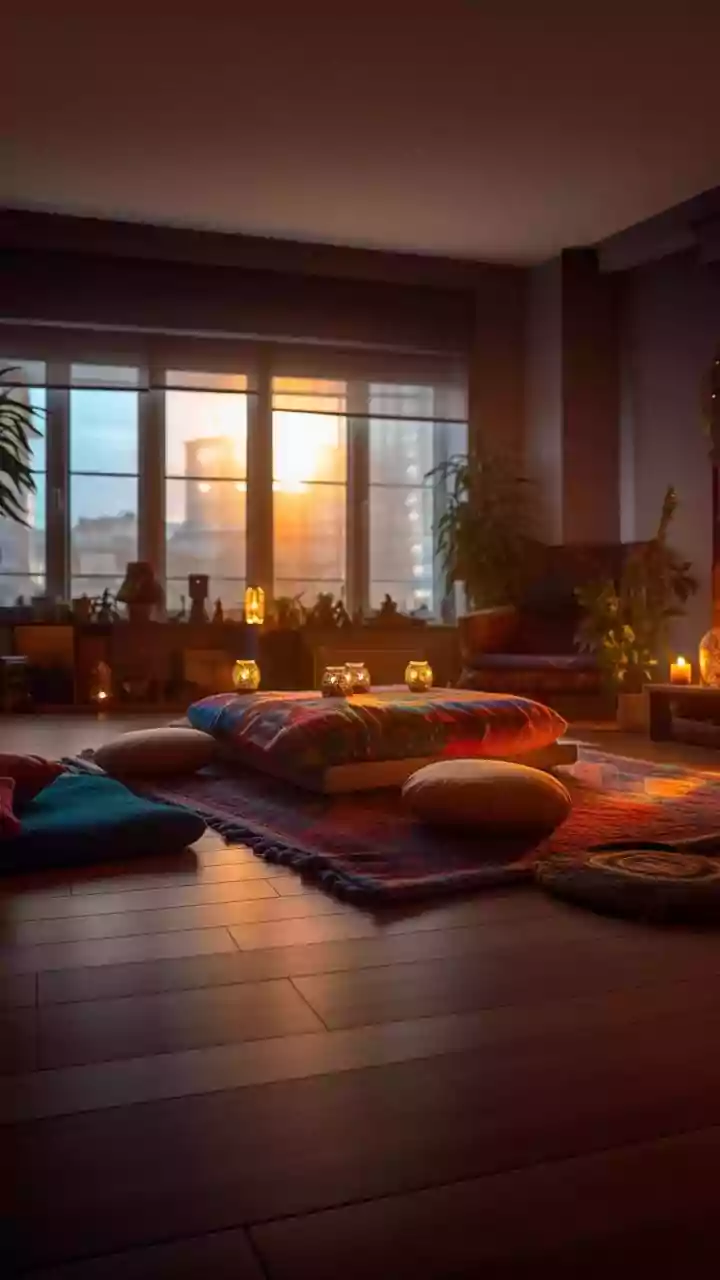
Finally, both J-Beauty and Zen interiors emphasise the importance of ritual. A multi-step skincare routine is more than just cleansing; it's a moment of mindful self-care at the beginning and end of each day. The process itself is calming and centring. A well-designed home facilitates similar rituals. This doesn't require a dedicated meditation room. It can be as simple as creating a comfortable reading nook with good lighting, a small, clear corner for your morning tea or coffee, or ensuring your bedroom is a screen-free sanctuary for rest. The goal is to design your space to support mindful habits and moments of peace. By organising your home around these rituals, your environment actively contributes to your well-being, turning everyday actions into moments of Zen.