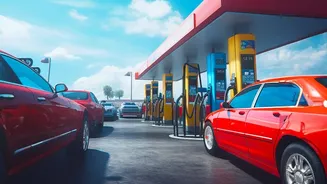







From the Petrol Pump to Your Plate
The connection between fuel and food is direct and powerful. In India, a staggering 65-70% of all freight is moved by road, and the vast majority of these trucks and commercial vehicles run on diesel. When global crude oil prices rise, as they have in recent
months, the impact is felt at the pump. This isn't just an inconvenience for car owners; it's a fundamental increase in the cost of doing business for the entire logistics network. Transporters have little choice but to pass these higher operational costs on, which means the price of moving goods from farms, factories, and ports to your local market goes up. This added expense gets baked into the final price of nearly everything you buy.
Why Fresh Produce Feels the First Pinch
The first items to reflect rising fuel costs are often fresh fruits and vegetables. Because they are perishable, items like tomatoes, onions, leafy greens, and milk can't sit in a warehouse for long. They rely on a fast-moving, daily supply chain that transports them overnight from rural mandis to urban centres. When diesel prices increase, transport operators often revise their freight charges almost immediately. This cost is passed from the transporter to the wholesaler, then to the retailer, and finally, to the consumer. A 10-15% jump in vegetable prices in a single day due to transport costs is not uncommon after a significant fuel hike, putting immediate pressure on household budgets.
Packaged Goods Are Not Immune
While the impact on fresh produce is swift, the effect on packaged goods—from biscuits and snacks to soaps and cooking oils—is just as certain, though sometimes slower to appear. The supply chain for these Fast-Moving Consumer Goods (FMCG) is extensive, involving the transport of raw materials to factories, and then finished products from factories to distributors, and finally to retail stores across the country. Companies making these products face a double hit: higher costs for crude oil-derived inputs and packaging, plus the increased expense of diesel for logistics. Eventually, these accumulated costs lead to price revisions on the Maximum Retail Price (MRP) you see on the shelf.
How Urban Shoppers Are Adapting
Faced with shrinking purchasing power, households across Indian cities are forced to become more strategic with their grocery spending. For many, this means actively seeking out discounts, switching to more affordable store brands, and buying certain items in bulk to save money. Some families are cutting back on non-essential or premium products, while others are making more frequent trips to local markets instead of one-stop supermarket shops to hunt for better deals. These shifts in consumer behaviour are a direct response to the financial pressure created when essential costs, driven by fuel inflation, rise faster than household incomes. This forces a re-evaluation of what is essential and what can be postponed.