

The Humidity and Oil Overdrive
The main culprit behind your August skin woes is humidity. When moisture levels in the air are high, your sweat doesn't evaporate as quickly. This traps a mixture of sweat, oil (sebum), and pollutants on your skin's surface, creating a perfect breeding
ground for bacteria. Your skin's sebaceous glands also go into overdrive, producing more oil in response to the damp conditions, which leads to clogged pores, a greasy T-zone, and those all-too-familiar monsoon breakouts. Interestingly, this oily feeling doesn't mean your skin is hydrated; it can often be dehydrated underneath, as the constant switch between outdoor humidity and indoor air-conditioning confuses the skin's protective barrier.
Cleanse Gently, Not Aggressively
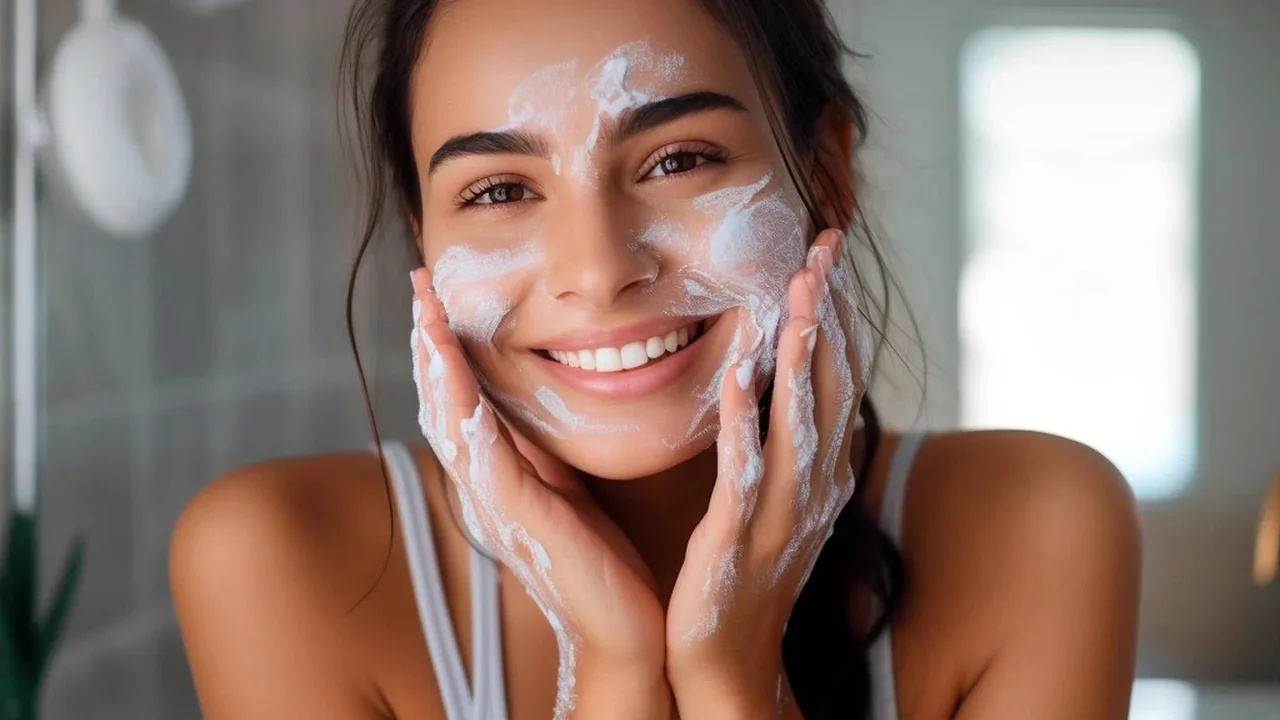
The instinct to wash your face multiple times a day to combat the stickiness is strong, but dermatologists warn against it. Over-cleansing can strip your skin of its natural oils, which ironically signals your glands to produce even more oil to compensate. The key is to switch to a gentle, pH-balanced cleanser, preferably a gel or foaming formula that can remove grime and excess oil without disrupting the skin barrier. Cleansing twice a day—once in the morning and once at night—is sufficient to keep your skin clean and balanced without causing irritation.
Lighten Your Moisturiser Layer
Packing away your thick winter creams is the most important swap you can make in August. Heavy, occlusive moisturisers can feel suffocating in high humidity, trapping sweat and oil and increasing the likelihood of breakouts. Instead, opt for lightweight, non-comedogenic (pore-clogging) formulas. Gel-based or water-based moisturisers are ideal for the monsoon season. Look for ingredients like hyaluronic acid, which provides excellent hydration without feeling heavy, or ceramides, which help repair and maintain the skin's barrier function without adding grease.
Don’t Skip the Sunscreen, Even on Cloudy Days
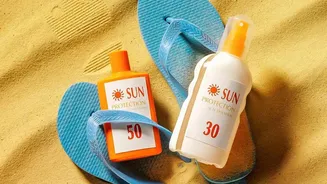
One of the biggest skincare myths is that you don't need sunscreen when it's cloudy or raining. The reality is that up to 80% of the sun's harmful UV rays can penetrate through the clouds, contributing to skin damage, premature ageing, and hyperpigmentation. In fact, dark spots left behind by acne can become more pronounced without sun protection. For August, choose a broad-spectrum sunscreen with at least SPF 30. A lightweight gel or fluid formula will feel more comfortable in the humidity and is less likely to feel sticky or cause breakouts.
Tackle Fungal and Bacterial Concerns
The warm, damp environment of the monsoon is an ideal breeding ground for fungal and bacterial infections. You might notice an increase in issues like folliculitis (inflamed hair follicles), rashes, or fungal acne. Prevention is key. Make sure to dry your skin thoroughly after showering, paying special attention to skin folds. Wearing loose, breathable cotton clothing can help improve air circulation and reduce sweating. If you get caught in the rain, changing out of wet clothes as soon as possible is crucial to prevent skin irritation and infections from taking hold.