



The South-Facing Advantage: All-Day Sunshine
In the Northern Hemisphere, south-facing windows are the champions of natural light. They receive the most consistent and direct sunlight throughout the day, especially during the winter when the sun is lower in the sky. This makes them ideal for the rooms
you use most, like living rooms and kitchens, creating a warm and inviting atmosphere. The passive solar gain can even help reduce heating bills in colder months. However, this constant sun can be a double-edged sword. In the summer, south-facing rooms can become uncomfortably hot, potentially increasing cooling costs if not managed with blinds, curtains, or energy-efficient glass. This exposure is also a favourite spot for most houseplants that crave bright light.
The North-Facing Room: Cool and Consistent
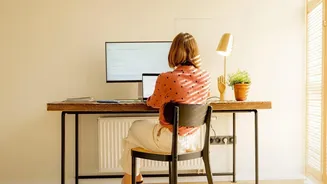
North-facing rooms offer a completely different experience. They receive no direct sunlight, instead providing a soft, diffused, and consistent light throughout the day. This gentle, shadow-less illumination is highly prized by artists and anyone working from home, as it minimises glare on screens and allows for accurate colour perception. The lack of direct sun keeps these rooms cooler, which can be a major benefit in hot climates. The downside is that they can sometimes feel darker or cooler than other parts of the home, and may require more artificial lighting, which could impact energy use. Plants that thrive in low-light conditions are best suited for these spaces.
The East-Facing Morning: A Bright Start
An east-facing window is your ticket to a bright morning. These rooms capture the direct, gentle rays of the rising sun, making them perfect for bedrooms and breakfast nooks. Waking up with natural sunlight can help regulate your body's internal clock, or circadian rhythm, leading to better sleep and daytime alertness. As the sun moves higher in the sky, the light becomes less direct, and these rooms tend to cool down in the afternoon. While the morning light is energising, it can be intense. Those who prefer to sleep in might want to invest in room-darkening or blackout shades for east-facing bedrooms.
The West-Facing Evening: Golden Hour Glow
West-facing rooms come alive in the afternoon and evening, receiving the full force of the setting sun. This can produce a beautiful, warm, golden light that is perfect for relaxing in a living or dining room at the end of the day. However, this is also the hottest light of the day. West-facing windows can contribute significantly to overheating in the summer, leading to a heavy reliance on air conditioning. Strategic shading, such as awnings or high-quality blinds, is often necessary to keep these rooms comfortable during peak heat. While the evening glow is lovely, be mindful of potential glare and heat gain when furnishing a west-facing space.
The Vertical Factor: Higher vs. Lower Floors
Your home's floor level also plays a crucial role in how much light you receive. Higher floors in an apartment or multi-storey building typically enjoy more abundant and unobstructed natural light. Being further from street level means they are less likely to be shaded by neighbouring buildings, trees, or other obstructions. This can make upper-floor units feel brighter and more spacious. Conversely, ground-floor or lower-level units often receive less direct sunlight and can be more prone to shadows, especially in dense urban areas. While this might mean a cooler apartment in the summer, it could also lead to a greater need for artificial lighting year-round. Top-floor apartments, in particular, get the most direct exposure.
Light's Impact on Your Life and Wallet
The amount and type of natural light you get is more than just an aesthetic consideration; it has tangible effects on your well-being and finances. Exposure to natural light is linked to improved mood, focus, and productivity, as it helps the brain release serotonin. It can also lead to significant energy savings by reducing the need for artificial lighting and providing passive heating. A home that works with the sun's path—with large windows on the south side and more limited exposure on the west—can be more energy-efficient and comfortable year-round. Understanding the unique light profile of a home allows you to choose a space that truly fits your lifestyle, from your sleep schedule to your work-from-home setup.