



The Rise of the Visual Feast
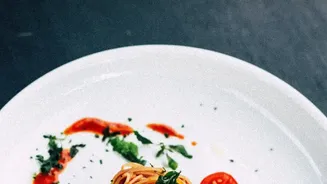
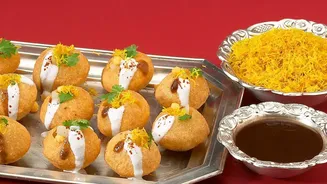
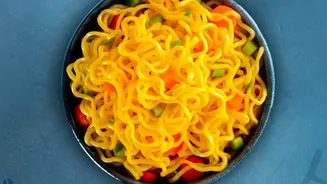
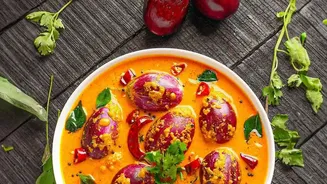
Before you even taste your food, you eat with your eyes. Restaurants across India have taken this saying to heart, engineering dishes specifically for visual appeal. What diners are seeing is a surge in food that performs for the camera. Think vibrant,
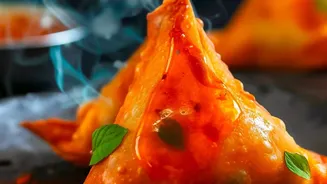
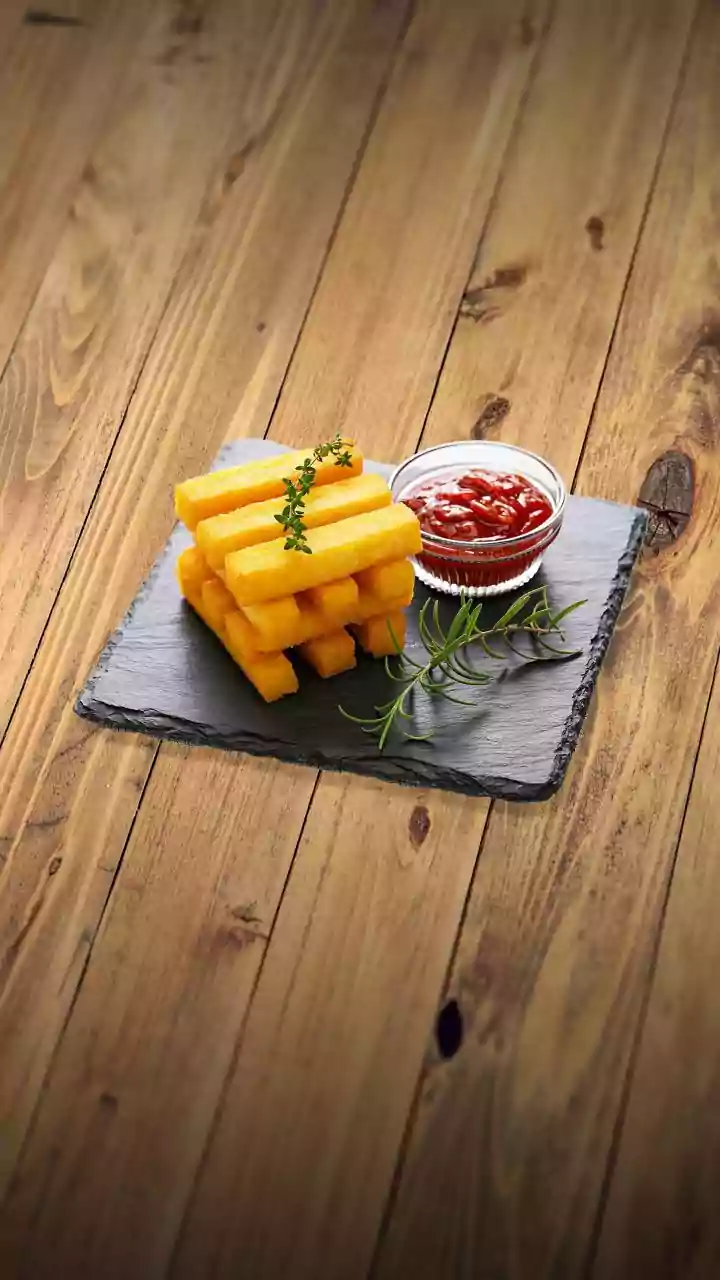
almost unnatural colours, theatrical presentations involving smoke from liquid nitrogen, and elaborate garnishes like edible flowers and microgreens that add more to the photo than the flavour. Dishes are deconstructed and reassembled in architecturally ambitious ways. Even traditional street food isn't immune; vada pav might now come in a charcoal bun for dramatic contrast, and dosas are folded into towering shapes designed to dominate a phone screen. This styling is a direct response to platforms like Instagram, where a dish's value is often measured in likes and shares before the first bite is even taken.
The Restaurant's New Playbook
For restaurants, a strong social media presence is no longer a luxury but a necessity for survival in a crowded market. An 'Instagrammable' dish or interior is essentially free marketing, powered by user-generated content. When a customer posts a picture of a stunning meal, they become an unpaid brand ambassador, reaching a network of potential new diners. This has led to a strategic shift where menus are designed with viral potential in mind. Some establishments create limited-time offerings just to capitalise on a fleeting online trend, knowing the buzz will drive foot traffic and online orders. According to one IIT Guwahati study, this digitalisation of food has made platforms like Instagram and Zomato the new gatekeepers of the urban food economy, controlling visibility and access. Restaurants are now in the content business as much as the food business.
Designing for the 'Gram
The focus on visuals extends far beyond the plate. Diners are increasingly finding that the entire restaurant is designed to be a backdrop for their photos. From quirky neon signs with catchy phrases to entire walls covered in floral arrangements, the decor is becoming as important as the menu. Restaurants are investing in specific mood lighting, unique furniture, and even elaborately designed washrooms, all to create shareable 'moments'. This trend towards experiential dining means customers aren't just coming for a meal; they're coming for an experience they can capture and post. The goal is to make the space so visually compelling that customers feel an impulse to pull out their phones, turning the physical location into a constant stream of online content.
The Chef's Creative Challenge
This visual-first culture presents a dilemma for chefs. On one hand, some find the pressure to create camera-ready food a frustrating constraint that prioritizes aesthetics over flavour and substance. The need to make food look good can sideline traditional cooking techniques and flavour profiles that may not be visually exciting. On the other hand, many chefs view it as a new creative canvas. Restaurateur Zorawar Kalra has noted that if a restaurant delivers on both great taste and visually appealing presentation, customers will genuinely appreciate the meal, not just post about it. Some chefs cleverly use plating to tell a story or highlight ingredients, proving that visual appeal and culinary integrity don't have to be mutually exclusive. The platform has also helped forgotten regional dishes find new audiences, showing it can both document and distort food culture.
When the Phone Eats First
The most significant change is in the behaviour of diners themselves. The ritual of 'the phone eats first' has become commonplace. Before anyone picks up a fork, phones are out, angles are considered, and filters are applied. For many, especially younger generations, Instagram has become the primary tool for discovering and deciding where to eat, replacing traditional reviews. This behaviour transforms the act of eating from a personal sensory experience into a public performance. While it fosters a sense of connection and shared discovery, it also raises questions about the dining experience itself. Are we still fully present and enjoying the flavours and company, or is our attention now split between the meal on our plate and the potential reaction to its picture online?