


Trekking to the Living Root Bridges
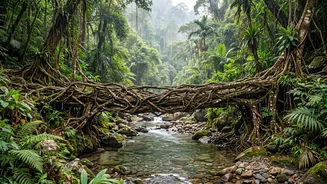
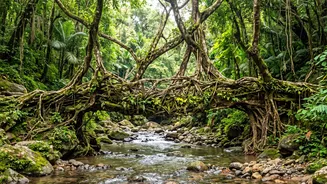
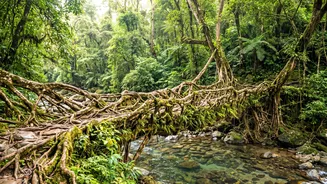
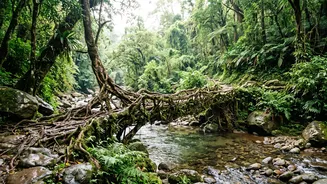
The undisputed highlight of any Meghalaya trip is the trek to the living root bridges, a stunning example of bio-engineering by the Khasi people. The most famous of these is the Umshiang Double-Decker Root Bridge in Nongriat village. Reaching it is an adventure
in itself. Your journey starts from Cherrapunji (also known as Sohra), from where you take a local taxi to Tyrna village. From Tyrna, a challenging but rewarding trek of approximately 3,500 steps down a stone staircase leads you into the valley. The 3-kilometre trail winds through dense forests, across steel suspension bridges, and past smaller, single-level root bridges. The sight of the two-tiered bridge, grown over decades from the roots of rubber fig trees, is truly breathtaking. You can stay overnight in a basic homestay in Nongriat village to fully absorb the serene atmosphere and even hike further to the stunning Rainbow Falls the next day.
Riverside Camping in Shnongpdeng
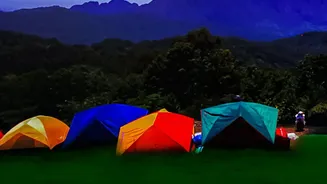
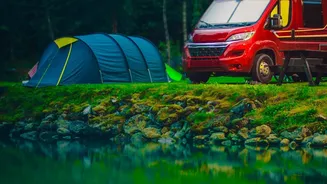
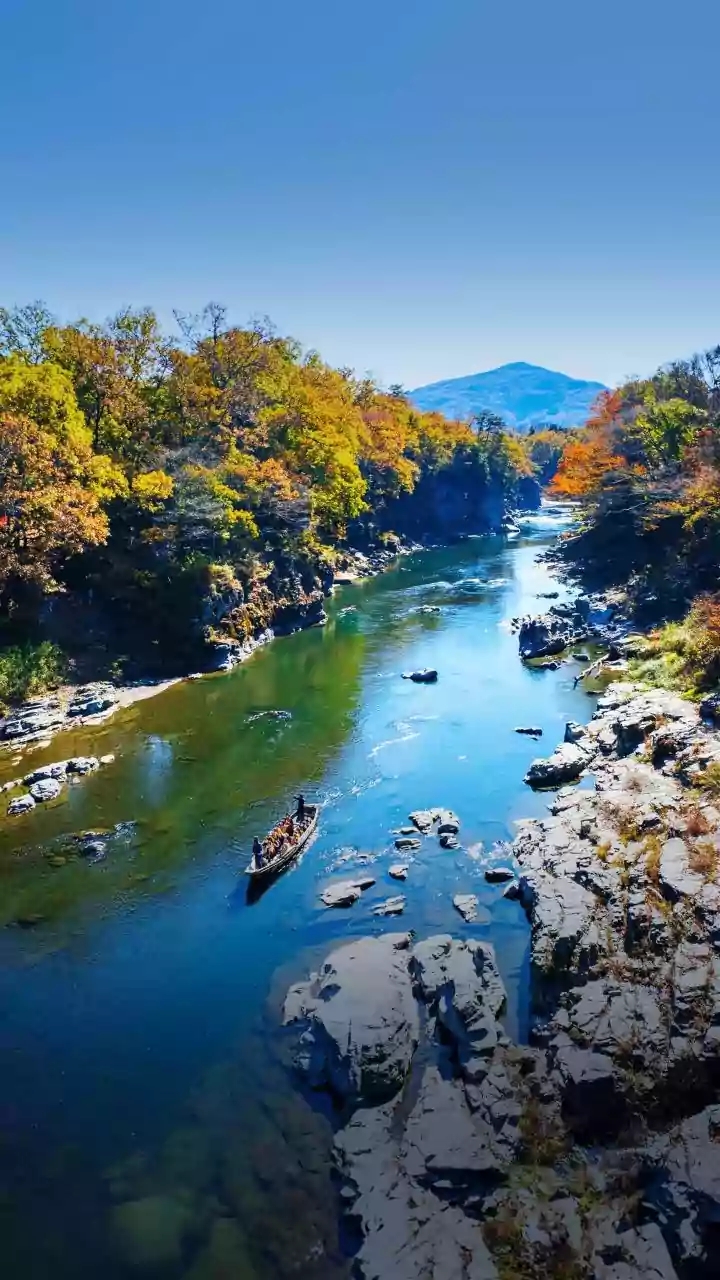
For another quintessential Meghalaya experience, head to Shnongpdeng, a village nestled on the banks of the magnificent Umngot River. While many tourists flock to the nearby town of Dawki, Shnongpdeng offers a more peaceful and immersive atmosphere perfect for backpackers. Here, you can camp right beside the river, famous for its unbelievably clear, emerald-green water that allows you to see the riverbed. Campsites offer basic tents with bedding, and many include a bonfire at night. The days are meant for adventure. You can go boating, try kayaking, or get your adrenaline pumping with activities like cliff jumping and snorkelling in the pristine waters. Waking up to the sound of the river and the misty morning views is an experience that defines budget travel at its best.
Your Backpacking Budget Breakdown
Meghalaya is a refreshingly affordable destination, especially for those willing to travel like a local. Accommodation in backpacker hostels in Shillong can start from as low as ₹400 per night for a dorm bed. Homestays in places like Cherrapunji and Nongriat typically range from ₹800 to ₹1,500. Food is also very economical; a full meal at a local eatery can cost between ₹80 and ₹120. The biggest expense is often transportation, as public bus services are limited between tourist spots. However, using shared taxis or 'Sumos' is the key to keeping costs down. For example, a shared Sumo from Guwahati to Shillong costs around ₹500. A realistic daily budget for a backpacker can be as low as ₹1,000-₹1,500, covering stay, food, and local transport.
Getting Around Like a Local
The gateway to Meghalaya is Guwahati in Assam, which is well-connected by flights and trains. From Guwahati airport or railway station, shared taxis are readily available to take you to Shillong, the state's capital, a journey of about three hours. Shillong serves as the perfect base for exploring the rest of the state. To get to destinations like Cherrapunji, Dawki, and Mawlynnong, shared Sumos are the most budget-friendly option. These shared jeeps usually depart from specific points in Shillong, like the Anjali Cinema complex or Bada Bazaar, in the morning. While the timings can be unpredictable, the savings are significant compared to hiring a private cab, which can cost ₹2,000-₹3,000 for a day trip.
Best Time for a Backpacking Trip
The best time to visit Meghalaya for backpacking, trekking, and camping is during the winter months, from October to February. During this period, the weather is cool and dry, with clear skies, making it ideal for outdoor activities. The heavy monsoon rains have subsided, leaving the landscape incredibly lush and the waterfalls still impressive. The summer months, from March to June, are also pleasant and suitable for travel. While the monsoon season (July to September) showcases Meghalaya's dramatic, rain-soaked beauty, heavy downpours can disrupt travel plans and make trekking trails slippery and challenging.