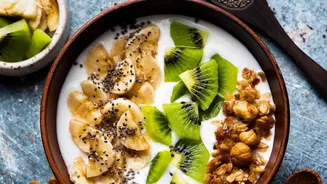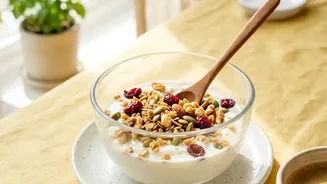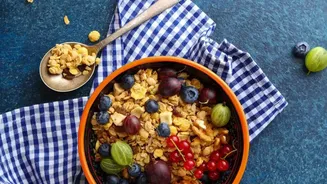



Managing a diabetes-friendly diet can sometimes make breakfast feel repetitive or lacking. But what if a tiny addition could make a huge difference? Sprinkling in the right seeds is a simple, powerful way to boost nutrients and support your goals.
1. Chia Seeds: The Fibre Powerhouse
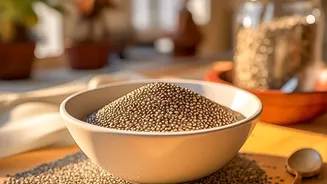
Chia
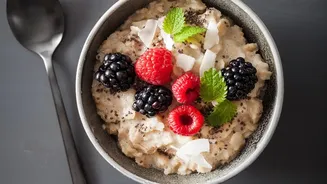
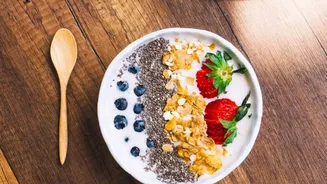
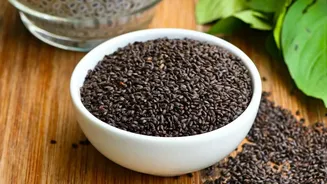
seeds are tiny but mighty, especially when it comes to managing blood sugar. They are packed with soluble fibre, which slows down digestion and the absorption of carbohydrates. This process helps prevent the sharp spikes in blood glucose that can occur after a meal. Chia seeds also have a very low glycemic index (GI), meaning they have a minimal impact on blood sugar levels. Their ability to absorb liquid and form a gel not only makes for a great pudding texture but also helps you feel fuller for longer, which can aid in weight management—a key aspect of diabetes care. Beyond fibre, they offer plant-based protein and heart-healthy omega-3 fatty acids. How to use them: The easiest way is to make overnight chia pudding. Just mix two tablespoons of chia seeds with half a cup of unsweetened almond milk or Greek yogurt, let it sit overnight, and top with berries in the morning. You can also simply stir a tablespoon into oatmeal, smoothies, or yogurt.
2. Flaxseeds: For Better Insulin Sensitivity
Flaxseeds, also known as 'alsi', are another fantastic addition to a diabetes-friendly diet. They are a rich source of both soluble and insoluble fibre, which aids in blood sugar control by slowing the release of sugar into the bloodstream. What makes flaxseeds stand out is their high content of lignans, plant compounds with powerful antioxidant properties that may improve insulin sensitivity. Improved insulin sensitivity means your body can use insulin more effectively. Additionally, the alpha-linolenic acid (ALA), a type of omega-3 fatty acid found in flaxseeds, helps support cardiovascular health, which is a crucial consideration for individuals with diabetes. How to use them: For your body to absorb the nutrients, it's best to use ground flaxseeds. Sprinkling a tablespoon of ground flaxseed over your morning oatmeal or yogurt is a simple start. You can also blend it into smoothies or use it as a low-carb flour substitute in baking.
3. Pumpkin Seeds: A Magnesium Boost
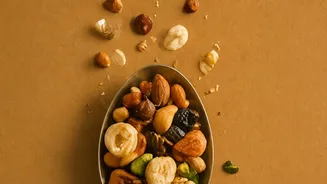
Pumpkin seeds, or pepitas, are not just a seasonal treat; they are a nutritional powerhouse with a very low glycemic index. They are particularly rich in magnesium, a mineral that plays a vital role in over 300 bodily processes, including glucose metabolism and insulin function. Research suggests that many people with type 2 diabetes have lower magnesium levels, making magnesium-rich foods like pumpkin seeds a valuable dietary addition. These seeds also provide a good mix of healthy fats, protein, and fibre, a combination that promotes satiety and helps maintain stable energy levels. How to use them: Enjoy a small handful of raw or lightly roasted unsalted pumpkin seeds as a snack. For breakfast, sprinkle them over yogurt, blend them into a smoothie for added texture, or mix them into a homemade trail mix with other nuts.
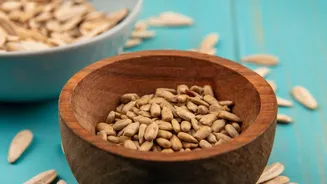
4. Sunflower Seeds: Rich in Healthy Fats
Sunflower seeds are an excellent source of healthy fats, plant-based protein, and fibre, with a low carbohydrate count. This nutritional profile means they are digested slowly, helping to prevent blood sugar spikes and keeping you feeling full. They are particularly high in vitamin E, an antioxidant that helps protect the body's cells from damage. The healthy fats and plant compounds in sunflower seeds may also improve insulin sensitivity and support heart health. Studies have shown that their consumption can contribute to better glycemic control. How to use them: Add a crunchy texture to your breakfast by sprinkling shelled, unsalted sunflower seeds on top of cottage cheese or Greek yogurt. They can also be mixed into oatmeal or a low-carb breakfast cereal for an extra dose of nutrients.
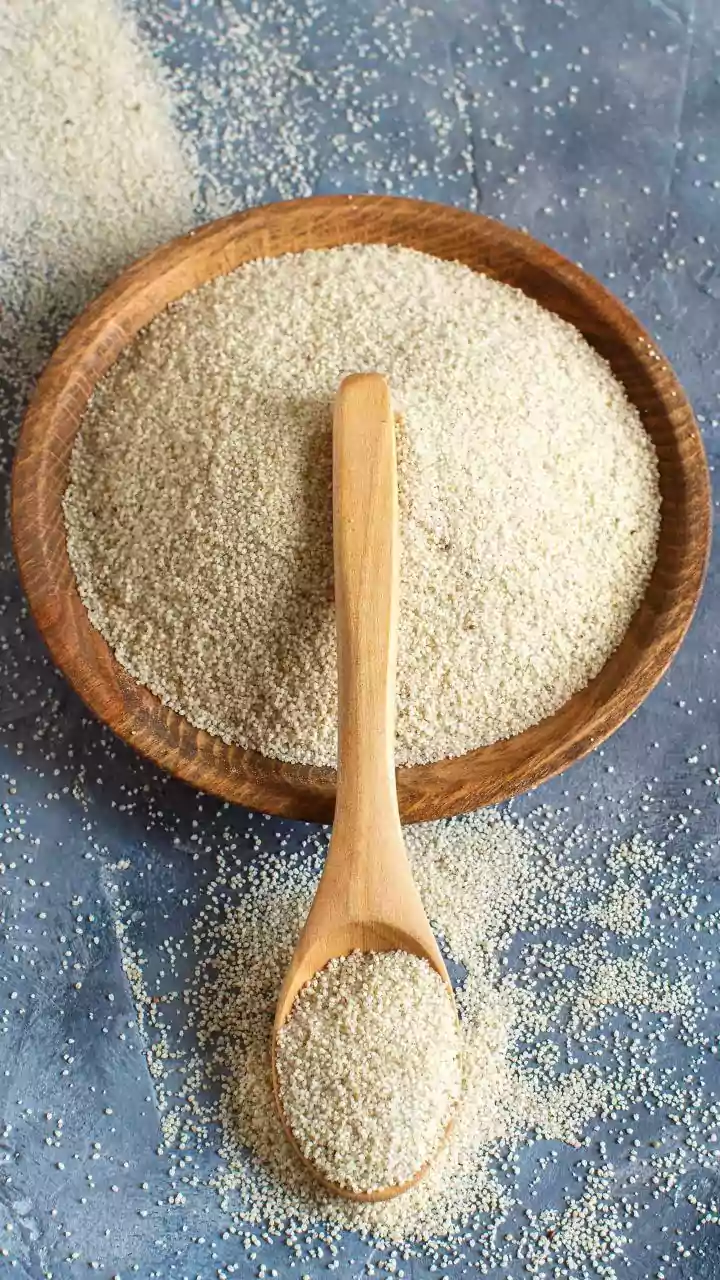
5. Sesame Seeds: Low-Carb and Nutrient-Dense
Often used as a topping, sesame seeds deserve a spot in your diabetes-friendly pantry. They are extremely low in carbs and have a low glycemic index, resulting in a minimal impact on blood sugar. They are a good source of healthy fats and protein, which aid in slowing digestion. Sesame seeds are also rich in nutrients like magnesium, which helps regulate blood sugar and blood pressure, and plant compounds called lignans, which have antioxidant effects. Some research even suggests that sesame oil may enhance the effectiveness of certain diabetes medications. How to use them: Sprinkle sesame seeds on top of avocado toast for a nutty flavour and a nutrient boost. You can also blend them into a smoothie or mix them into yogurt. Tahini, a paste made from sesame seeds, can be used as a base for a savoury breakfast dressing for a vegetable scramble.