







From Kitchens to National Policy
For generations, traditional remedies were the domain of grandmothers and local vaidyas. Today, they are at the heart of a concerted national strategy. The establishment of the Ministry of AYUSH (Ayurveda, Yoga & Naturopathy, Unani, Siddha and Homoeopathy)
in 2014 marked a pivotal moment. This wasn't just a symbolic gesture; it was a declaration of intent. The government has since been actively working to formalise, research, and promote these ancient systems of medicine, both within India and on the global stage. This top-down push includes initiatives like setting up AYUSH hospitals and wellness centres across the country, integrating AYUSH practices into public health programmes, and attempting to standardise treatments and herbal preparations. The goal is to move these practices from the fringes of alternative medicine into a more mainstream, credible space. By framing traditional knowledge as a form of national heritage and soft power, the government is tapping into a deep-seated cultural pride while also aiming to build a robust, parallel healthcare infrastructure.
The Wellness Economy Boom
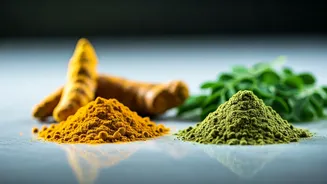
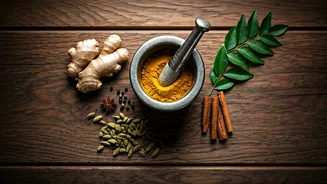
Parallel to the government's efforts, a massive commercial wave has propelled traditional remedies into the modern marketplace. Brands like Patanjali, Dabur, Himalaya, and countless startups have transformed turmeric, ashwagandha, and amla from simple kitchen ingredients into slickly packaged, scientifically marketed wellness products. The Indian AYUSH market is now a booming sector valued in the billions of dollars, with projections showing continued exponential growth. This commercialisation has made traditional remedies more accessible and aspirational than ever before. You can find ashwagandha gummies, tulsi-infused green teas, and moringa capsules in supermarkets and on e-commerce platforms. This shift is driven by a modern consumer who is increasingly health-conscious, digitally savvy, and looking for 'natural' or 'organic' solutions. The wellness industry has successfully married ancient wisdom with modern marketing, creating a powerful economic engine that is reshaping India's consumer landscape.
Bridging Ancient Wisdom and Modern Science
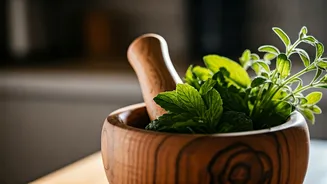
The resurgence of traditional medicine is not without its debates, primarily centred on scientific evidence and regulation. While practices like yoga have been extensively studied and validated for their benefits in stress reduction and flexibility, many herbal remedies lack the rigorous, large-scale, double-blind clinical trials that are the gold standard for modern allopathic medicine. Sceptics and many in the mainstream medical community call for more stringent quality control, standardised dosages, and proven efficacy. Concerns about heavy metal contamination in some unregulated herbal products or adverse interactions with modern drugs are valid. Proponents, however, argue that the holistic and personalised nature of systems like Ayurveda cannot be easily tested by Western reductionist methods. The current challenge is to build a bridge between these two worlds: to use modern scientific tools to validate and understand ancient practices, ensuring they are safe and effective for the public without losing their holistic essence.
A Quest for Holistic Health
So, why are so many Indians turning—or returning—to these remedies? The reasons are multifaceted. For some, it is a reaction to the perceived side effects and high costs of allopathic medicine, particularly for chronic lifestyle diseases. Traditional systems are often seen as gentler, more holistic approaches that treat the root cause rather than just the symptoms. For others, it is part of a broader cultural reawakening and a quest for authenticity. In a globalised world, embracing yoga, Ayurveda, and local wellness traditions is a way of connecting with one's identity and heritage. The COVID-19 pandemic also served as a major catalyst, with a renewed focus on immunity and preventative healthcare sending millions in search of traditional immunity-boosting concoctions. This shift reflects a deeper desire not just for a cure, but for overall well-being—a balance of mind, body, and spirit.