



Why Separation Is Key to Preventing Scratches
It might seem harmless to keep all your earrings, rings, and necklaces in one beautiful box, but it's the fastest way to cause damage. The core issue is hardness. Gemstones and metals have different levels of scratch resistance, often measured on the Mohs
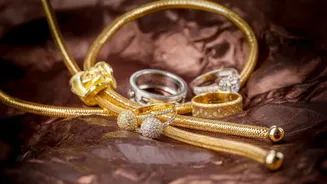
scale. Diamonds, at the top of the scale, are extremely hard and can easily scratch softer metals like gold and silver, as well as other gemstones like pearls, moonstone, or emeralds. But it’s not just diamonds you need to worry about. Any harder material will scratch a softer one when they rub together. This means a sapphire ring can damage a gold band, and even different gold alloys can abrade one another over time. Constant friction between pieces in a jumbled pile leads to fine scratches, dulled surfaces, and can even chip delicate stones.
The Golden Rule: One Piece, One Space
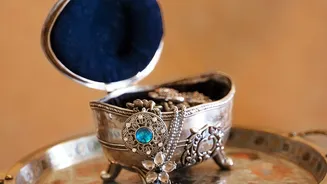
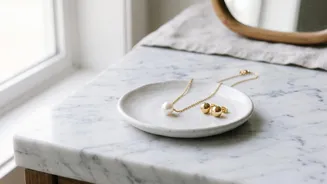
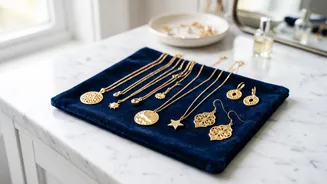
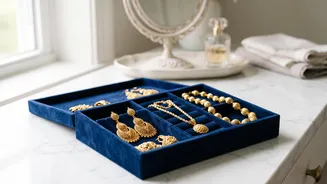
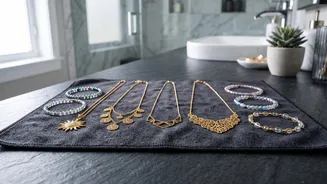
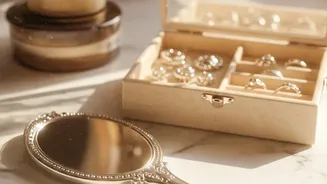
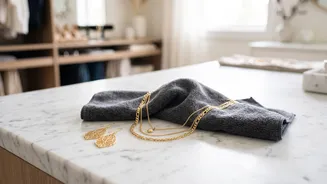
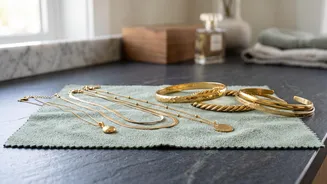
The most effective principle in jewellery care is to give each piece its own designated space. This prevents items from rubbing, knocking, and tangling with each other. The goal is to eliminate contact. This doesn't necessarily mean you need an enormous, elaborate storage system. It can be as simple as storing each item in its own soft pouch or wrapping it in a soft cloth before placing it in a box. Jewellery boxes with built-in individual compartments lined with a soft fabric like velvet or felt are an ideal solution because they provide both separation and a protective surface. For necklaces, preventing tangles is just as important as preventing scratches, as pulling knots can stress and break delicate chains. Giving each chain its own hook or compartment is the best way to keep them pristine.
Smart Storage Solutions for Every Collection
The right storage depends on your collection. For a wide variety of pieces, a multi-level jewellery box with different types of compartments is a great investment. Look for features like ring rolls, small divided sections for earrings, and deeper wells for bracelets. For necklaces, a hanging organiser—whether on a wall or a stand—is excellent for preventing tangles. If you have a lot of bracelets, a bracelet bar allows them to hang without touching. For travel, a dedicated jewellery roll with individual zippered pockets or padded sections is a must-have to prevent a tangled, damaged mess in your luggage. Always fasten clasps before storing to further reduce the risk of tangling and snagging.
Special Care for Traditional Indian Jewellery
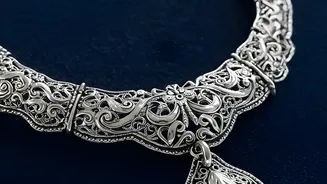
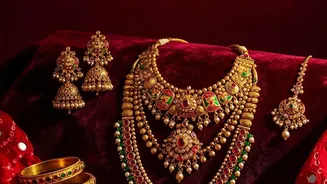
Intricate Indian jewellery, such as Kundan, Polki, and Meenakari pieces, requires extra-gentle handling. These items are often delicate and can be damaged by moisture and chemicals, not just scratches. Always store these pieces separately, preferably in the padded boxes they came in or in soft, individual pouches. Because Kundan and Polki jewellery often uses foil backing and lac resin, it is crucial to keep them dry, as moisture can damage the setting. For Meenakari, the delicate enamel work can chip if knocked against harder items. Therefore, individual, cushioned storage is non-negotiable for these treasured pieces to preserve their craftsmanship for generations. Laying them flat also helps maintain the shape of elaborate necklace designs.
Beyond Scratches: Other Benefits of Separation
While preventing scratches is the main goal, separating your jewellery has other important benefits. It stops necklaces from becoming hopelessly tangled, saving you time and preventing chain breakage. It also helps prevent tarnish, especially for silver. When pieces are stored separately in anti-tarnish bags or cloth-lined boxes, their exposure to air and moisture is reduced, slowing down the oxidation process. Keeping items apart also prevents chemical reactions that can occur between different types of metals. Finally, an organised system makes it easier to see what you have, so you can enjoy and wear your favourite pieces more often instead of searching through a chaotic pile.