

The Lithium Bottleneck
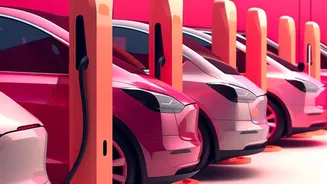
For years, the electric vehicle revolution has been powered by lithium-ion batteries. They are energy-dense, meaning they can store a lot of power in a relatively small and light package, which is perfect for cars that need to travel long distances. However,
lithium has a few significant downsides. The raw materials, including lithium, cobalt, and nickel, are relatively scarce, with mining and processing concentrated in just a few countries. This creates a volatile and geopolitically sensitive supply chain, leading to price fluctuations that directly impact the final cost of an EV. For a price-sensitive market like India, this has kept many otherwise attractive electric models out of reach for the average consumer.
Enter Sodium-Ion: The Affordable Alternative
Sodium-ion batteries work on a similar principle to their lithium-ion cousins, shuttling ions back and forth to store and release energy. The crucial difference lies in the core materials. Instead of lithium, they use sodium, an element that is over a thousand times more abundant in the Earth's crust and can be easily sourced from common salt. This incredible abundance is the primary reason for the excitement around this technology. It promises to break the dependency on a constrained lithium supply chain, offering a path to cheaper and more stable battery production. Several companies are now scaling up production, with some of the first mass-produced passenger cars equipped with sodium-ion batteries set to hit the market in 2026.
Breaking Down the Cost Savings
The cost advantage of sodium-ion batteries comes from several factors. First, the raw sodium itself is dramatically cheaper than lithium. Second, sodium-ion battery designs can eliminate other expensive materials. For instance, many lithium-ion batteries require copper foil for a component called the anode current collector. Sodium-ion cells can use cheaper and more readily available aluminum foil for both the anode and cathode, simplifying manufacturing and reducing material costs further. When produced at scale, experts project that sodium-ion batteries could be 20-30% more economical than their lithium-ion counterparts, a significant saving that can be passed on to the car buyer.
Performance vs. Price: What's the Catch?
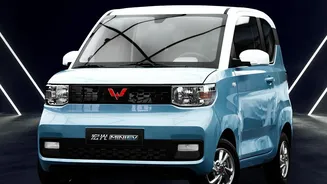
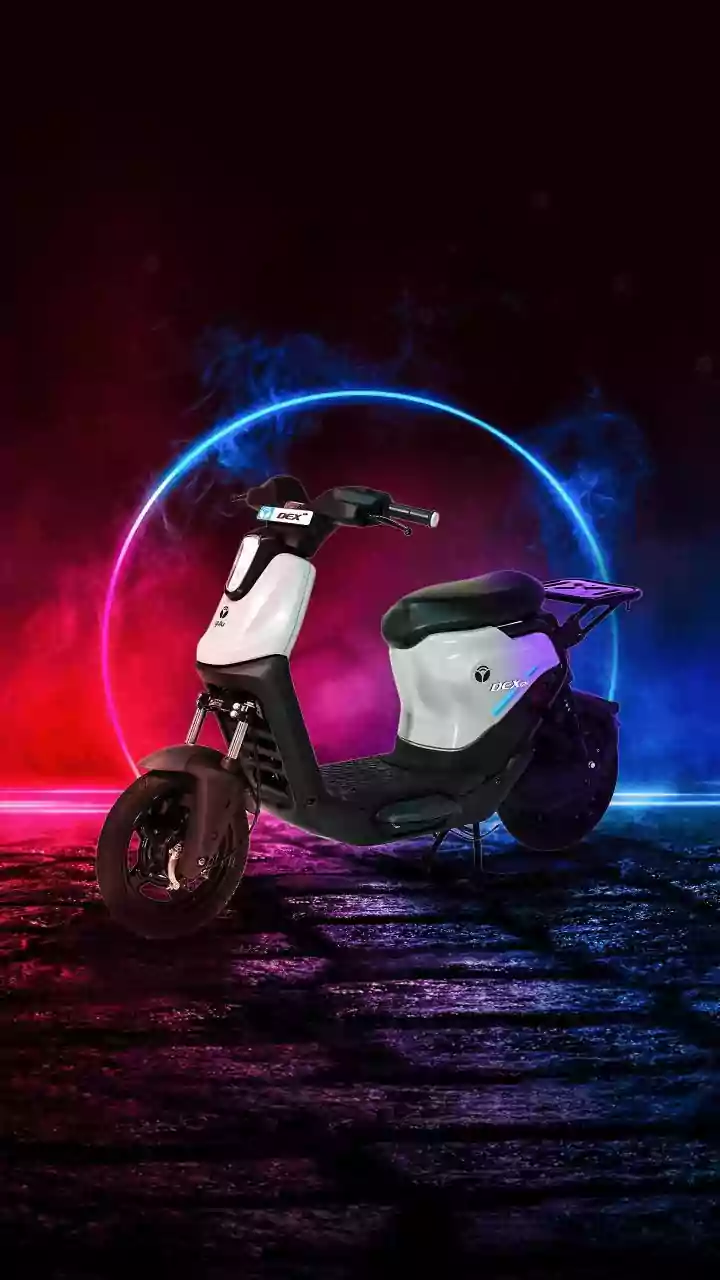
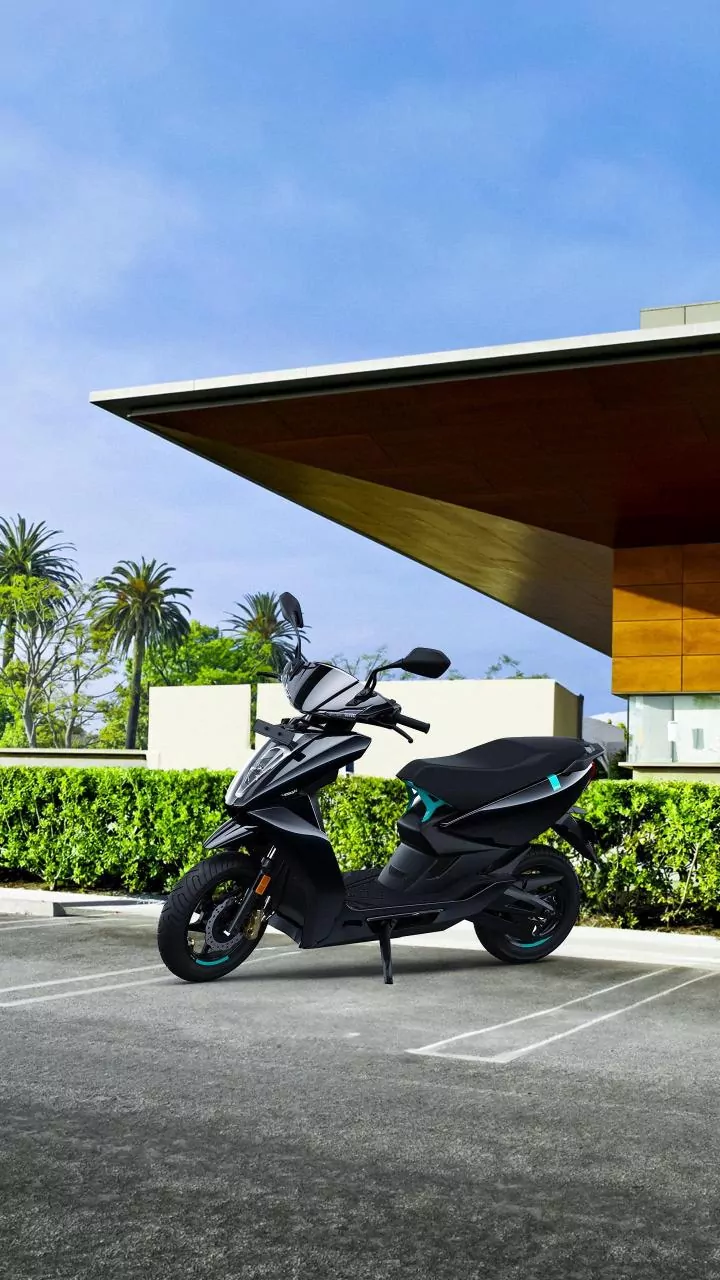
While the cost benefits are clear, there are performance trade-offs. The most significant is lower energy density. In simple terms, a sodium-ion battery of the same size and weight stores less energy than a top-tier lithium-ion battery. This translates to a shorter driving range for the vehicle. Current commercial sodium-ion cells have an energy density closer to the entry-level lithium iron phosphate (LFP) batteries, not the high-performance chemistries used in long-range luxury EVs. Therefore, this technology is not expected to replace lithium-ion in all vehicles. Instead, it is perfectly suited for smaller, more affordable city cars, two-wheelers, and commercial fleet vehicles where extreme long-range is not a priority. On the plus side, sodium-ion batteries have shown excellent performance in cold weather and are considered safer with a lower risk of overheating.
The India Opportunity
For India, sodium-ion technology is particularly promising. The country is actively pursuing the technology to reduce its reliance on imported lithium and to support the 'Atmanirbhar Bharat' mission for energy self-reliance. Indian scientists have already made significant strides, developing ultra-fast charging sodium-ion batteries that show great potential. Given the abundance of raw materials and a strong domestic chemical industry, India is well-positioned to become a hub for sodium-ion battery manufacturing. As the technology matures from pilot projects to commercial production over the next few years, it could be the key to unlocking the mass-market EV segment in the country, offering a new wave of affordable and practical electric mobility for millions.