


What is a Prickly Pear?
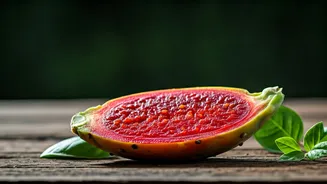
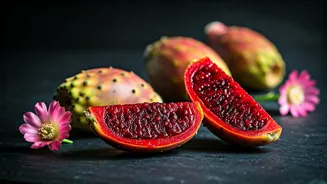
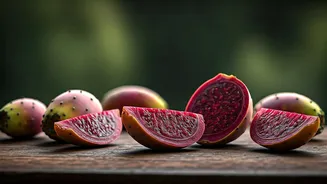
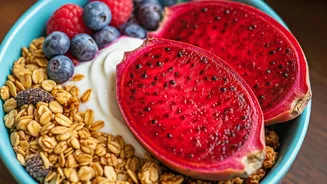
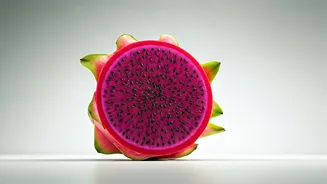
The prickly pear, or ‘tuna’ as it is known in many parts of the world, is the fruit of the Opuntia cactus. In India, this hardy plant is commonly known as ‘Nagphani’. The fruit itself is a brilliant magenta or reddish-pink bulb that grows on the edges
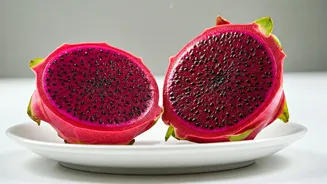
of the flat cactus pads. Its vibrant exterior hints at the sweet, juicy flesh inside, which is dotted with small, edible seeds. While it may look intimidating with its spiky skin, this desert fruit has been a staple in Mexican and Central American cuisine for centuries and is gaining popularity worldwide for its unique taste and impressive health credentials.
A Nutritional Powerhouse
Don’t let its sweet taste fool you; the prickly pear is loaded with health benefits. It is an excellent source of dietary fibre, which aids digestion and can help you feel full longer. The fruit is also packed with essential vitamins and minerals, including a significant amount of Vitamin C, magnesium, and potassium. These nutrients are vital for immune support, heart health, and maintaining healthy blood pressure. Furthermore, prickly pears contain powerful antioxidants called betalains, the very pigments that give the fruit its stunning colour. These compounds help fight inflammation and protect the body's cells from damage caused by free radicals.
How to Handle the Prickles
The main hurdle for many is the fruit’s spiky exterior. The skin is covered in tiny, hair-like spines called glochids, which can be irritating if they get on your skin. But preparing it is simple with the right technique. The safest way to handle them is with thick gloves or a pair of tongs. A common method to remove the spines is to carefully burn them off over an open flame from a gas stove or a kitchen torch. Alternatively, you can vigorously scrub the fruits in a colander under running water. Once de-spined, place the fruit on a cutting board, slice off both ends, make a shallow vertical cut through the skin, and then simply peel the thick skin away to reveal the edible fruit inside.
Unlocking its Unique Flavour
So, what does it taste like? The flavour of prickly pear is often described as a delightful cross between sweet watermelon and a hint of strawberry, with some people even comparing it to classic bubblegum. It has a refreshing, mildly sweet taste that isn't overpowering. The texture of the flesh is soft and juicy, similar to a kiwi or papaya, while the small black seeds provide a slight crunch, much like those in a pomegranate. These seeds are edible, but many people prefer to juice the fruit and strain them out. Whether you eat it raw or blend it, the flavour is a unique addition to any meal.
Building the Perfect Prickly Pear Bowl
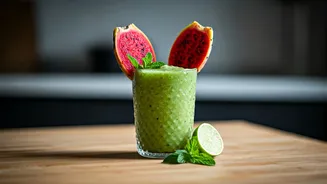
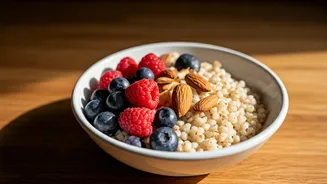
Now for the fun part: making your breakfast bowl pop. The vibrant colour and refreshing taste of prickly pear make it a perfect star ingredient. For a simple breakfast smoothie bowl, blend frozen prickly pear flesh (seeds and all, if you have a powerful blender) with yogurt, a frozen banana, and a splash of milk until smooth and creamy. The resulting colour is a spectacular, all-natural magenta. Pour it into a bowl and get creative with toppings. The fruit pairs beautifully with other tropical fruits like mango and pineapple, crunchy granola, coconut flakes, and a sprinkle of chia or hemp seeds. You can also simply dice the fruit and add it fresh to a bowl of dahi and muesli for a burst of colour and sweetness.