





The Scent of Summer's Arrival
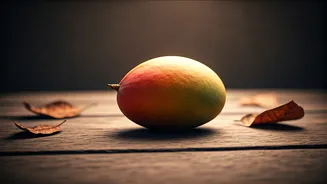
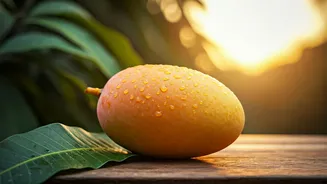
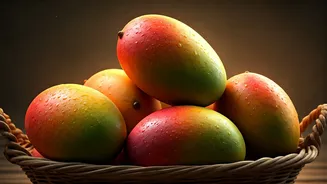
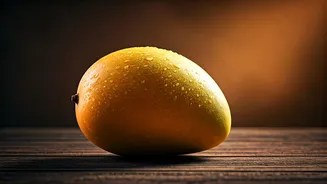
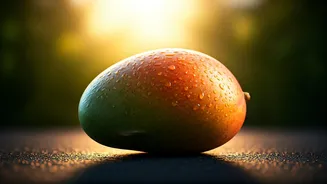
No other fruit announces its arrival with such fanfare. Before you even see them piled high in fragrant, colourful pyramids at the local market, you can almost smell them. The arrival of the first mangoes of the season is a sensory event. It’s the sweet,
intoxicating perfume that hangs heavy in the hot air, a promise of the delights to come. For months, from the chill of December to the hesitant warmth of March, the country collectively holds its breath. Then, the wait is over. The first batch, often unripe and green, used for tangy pickles and chutneys, is just the opening act for the glorious, golden-fleshed symphony that is to follow.
More Than Just a Fruit
To call the mango just a fruit in India is a profound understatement. It is woven into the very fabric of our culture, history, and mythology. The paisley pattern, a globally recognized design motif, is said to be inspired by the shape of a mango. Lord Buddha was gifted a mango grove to meditate in. Mughal emperors, from Akbar to Shah Jahan, were famously obsessed with the fruit, cultivating exclusive orchards and pioneering grafting techniques to create new, exquisite varieties. The mango is a symbol of love, fertility, and prosperity. It features in religious ceremonies, wedding decorations, and ancient poetry. It’s not something you simply eat; it's an experience you inherit.
A Kingdom of Endless Varieties
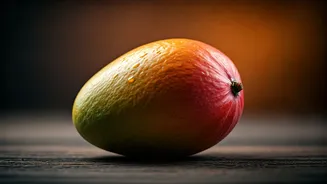
While the world may know one or two types, India is a veritable kingdom of mangoes, with over 1,500 varieties, each with its own loyal fanbase. The season is a delicious relay race. It might start with the regal, fibreless Alphonso from Maharashtra, the 'Hapus' that commands devotion and a premium price. Then comes the sweet, fragrant Kesar from Gujarat, its vibrant saffron pulp earning it the name 'Queen of Mangoes.' As the heat intensifies, North India welcomes its champions: the slender, incredibly sweet Dasheri from Uttar Pradesh, and the uniquely flavoured, often greenish Langra. From the Banganapalli of Andhra Pradesh to the Himsagar of West Bengal, every region offers its own treasure. Debates over which variety reigns supreme are a passionate, and perennial, summer pastime in every Indian family.
Rituals, Memories, and Sticky Fingers
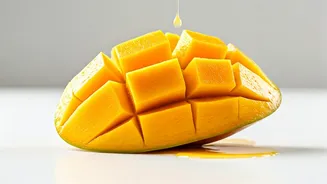
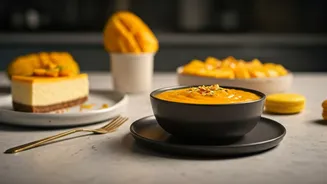
The mango experience is deeply tied to memory and ritual. It’s the childhood memory of climbing a grandparent’s tree to pluck the perfect fruit. It’s the ceremony of the first box of the season arriving home, its contents carefully inspected and laid out on hay to ripen perfectly. It’s the communal act of sitting together as a family after dinner, a bucket of water nearby to dip the mangoes in before the feast begins. There is no polite way to eat a truly great mango. It demands surrender. You must be willing to get your hands, face, and elbows sticky with its sweet, golden juice. Whether meticulously sliced, pureed into aamras to be eaten with hot puris, blended into a lassi, or simply devoured over the kitchen sink, the method is secondary to the pure, unadulterated joy.
The Sweet, Short Season
Perhaps what makes the mango so cherished is its fleeting nature. The season, in all its glory, lasts just a few precious months. It’s a brilliant, intense burst of flavour that bookends the peak of summer before the monsoon rains arrive to wash it all away. This scarcity is what fuels the anticipation. It makes every mango feel like a gift, a temporary treasure to be savoured before it disappears for another year. The end of the season is met with a collective sigh, but also with the comforting knowledge that the wait, and the cycle of longing, will begin all over again.