


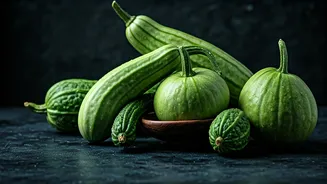
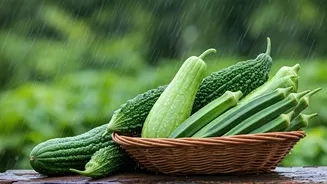


The Hydrating Hero: Bottle Gourd (Lauki)
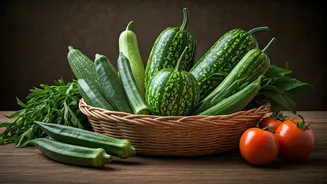
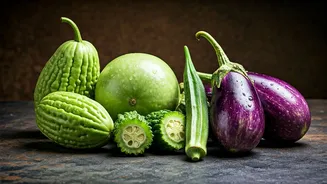
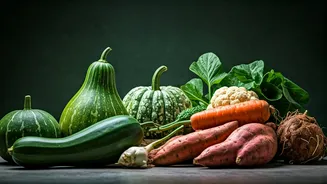
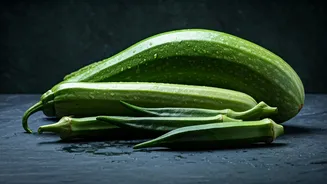
Perhaps the most famous of the monsoon gourds, the bottle gourd, or lauki, is a staple in Indian households for good reason. Its pale green skin and soft white flesh are incredibly versatile. But its real superpower during the monsoon is its high water
content (over 90%), which helps keep you hydrated. It's also exceptionally easy to digest, making it a soothing choice when the damp weather can sometimes slow down our digestive systems. Ayurveda champions lauki for its cooling properties. You can find it in simple curries, grated into koftas, or even juiced for a healthy morning drink. A classic lauki chana dal is a comforting meal for any rainy day, providing both hydration from the gourd and protein from the lentils.
The Gentle Giant: Ridge Gourd (Tori/Turai)
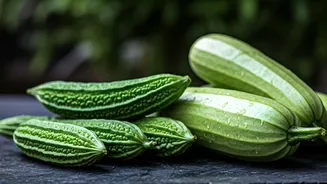
Recognisable by its distinct ridges, tori (or turai) is another monsoon favourite. When peeled, its interior is soft and sponge-like, absorbing flavours beautifully. Like lauki, it’s low in calories and rich in dietary fibre, which aids in digestion and promotes a feeling of fullness. It is also a good source of Vitamin C, which can help support the immune system—a definite plus during a season known for colds and coughs. Ridge gourd shines in simple preparations. Sautéed with a pinch of turmeric and cumin, stir-fried with poppy seeds (posto), or added to a light sambar, its subtle, slightly sweet taste comes through without overpowering the dish. Don't overcook it; a slight crunch is a delight.
The Challenging Favourite: Bitter Gourd (Karela)
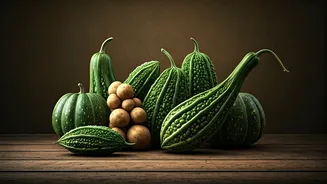
Karela is the vegetable many love to hate, but its popularity endures, especially among those who appreciate its health benefits. Its distinctive bitterness is a sign of its potent properties; it's traditionally used to help manage blood sugar levels and is packed with antioxidants. During the monsoon, when our immunity can be compromised, karela is considered a powerful cleansing agent. The trick to enjoying it is managing the bitterness. Slicing it, salting it, and letting it rest for 30 minutes can draw out some of the bitter juices. From there, you can make a delicious bharwa karela (stuffed bitter gourd) with a spicy onion-and-spice filling, or slice it thin and fry it into crispy, addictive chips.
The Regional Star: Pointed Gourd (Parwal)
A smaller, striped gourd particularly popular in Eastern and Northern India, parwal is a nutritional powerhouse. It is rich in vitamins A and C, and its seeds are a good source of fibre. This gourd is celebrated in Bengali cuisine, where it's fried (potol bhaja), stuffed (potoler dolma), or simmered in rich gravies. Unlike some other gourds, parwal has a firmer texture that holds up well to longer cooking times, making it perfect for complex curries. It has a mild, almost nutty flavour that pairs well with potatoes, paneer, and a wide array of spices. It’s also considered beneficial for purifying the blood and improving digestion, making it another wise choice for the rainy season.
The Unusual Addition: Snake Gourd (Chichinda)
Long, slender, and often with a pale, waxy pattern, the snake gourd (chichinda or padwal) might look intimidating, but it's a delicious and tender vegetable. Its flavour is delicate, similar to a cucumber or zucchini. It’s another hydrating vegetable, full of water and fibre, and is extremely low in calories. In South Indian cuisine, it’s often used in kootu, a lentil-and-vegetable stew, where its soft texture is a perfect complement to the creamy dals. In other regions, it’s stir-fried with spices or used in simple curries. To prepare it, simply scrape off the thin skin, remove the soft, pithy seeds, and chop the flesh. It cooks quickly and readily soaks up the flavours of any masala you pair it with.