




The New Definition of a 'Must-See' Film
In the post-pandemic era, the audience's motivation for visiting a cinema has fundamentally changed. With high-quality streaming content readily available at home, the question is no longer just 'what to watch?', but 'what is worth leaving the house for?'.
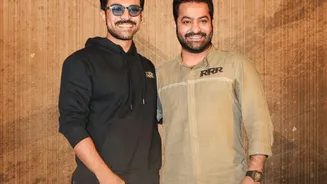
The answer, increasingly, is the visual spectacle. These are films that promise an experience that cannot be replicated on a television screen: larger-than-life action sequences, breathtaking visual effects, and immersive sound design. Movies like 'Jawan', 'RRR', 'KGF', and the 'Baahubali' series have set a new benchmark. They are not just films; they are theatrical events. Exhibitors and distributors note that audiences have become far more selective, primarily turning up for these big-screen experiences that feel like a worthwhile outing.
The Economics of All or Nothing
The film industry has seen a growing polarisation between big-ticket event films and smaller, story-led productions. In recent years, the top 10 highest-grossing films have consistently contributed a disproportionately large share of the total box office revenue. For multiplex owners, this trend is a double-edged sword. While overall footfall has dipped compared to pre-pandemic levels, the films that do succeed are performing phenomenally well, with the benchmark for a blockbuster hit rising significantly. This creates a high-stakes environment where studios invest heavily in a few spectacle-driven projects, knowing they are the safest bet to generate the massive returns needed to keep the exhibition sector healthy. It's a model that prioritises scale, making it harder for mid-budget films to compete for screens and audience attention.
The OTT Effect and a Divided Audience
The rise of Over-The-Top (OTT) platforms has been a major catalyst in this shift. With an abundance of choice available for a low monthly fee, viewers are happy to wait for smaller, dialogue-heavy, or more intimate films to arrive on streaming services, often within just a few weeks of their theatrical debut. This has effectively trained audiences to see the cinema as a venue reserved for a specific type of film. A YouGov survey highlighted that while most genres are preferred on OTT, action and spectacle are genres people still feel are best enjoyed in a theatre. This behaviour is particularly pronounced among younger audiences (under 30), who now account for the majority of box office revenue, especially on opening weekends, and are drawn to the event-like nature of these blockbusters.
The Pan-Indian Spectacle
Another crucial factor is the success of the 'pan-India' film. Spectacle-heavy movies originating from South Indian industries have broken regional barriers to become national phenomena. Films like 'Pushpa', 'KGF', and 'Kantara' were dubbed in multiple languages and marketed as nationwide events, generating massive collections from the Hindi-speaking belt and proving that grand visuals and high-octane action have a universal appeal. This has not only broadened the market but has also reinforced the idea that scale is the most reliable formula for a pan-national hit, further incentivising producers across the country to invest in visually ambitious projects that can travel.
A More Balanced Future?
While the spectacle film has been dominant, there are recent signs of a potential rebalancing. Some reports from 2025 and early 2026 suggest that while big action films continue to lead, audiences are also showing up for a more diverse slate of genres, including period dramas and romantic comedies. The number of films crossing the ₹100 crore mark has reportedly increased, suggesting a healthier spread of success beyond just the top-tier blockbusters. This indicates that while the spectacle remains a powerful magnet, there is still a significant audience for well-marketed, compelling stories of all sizes, offering a glimmer of hope for a more varied theatrical ecosystem.