




Ever look out your window and feel like the city has suddenly come alive with fluttering wings? It’s not your imagination. Seasonal shifts create perfect conditions that make birds and butterflies much more noticeable in our urban landscapes.
A Tale of Two Journeys
One of the
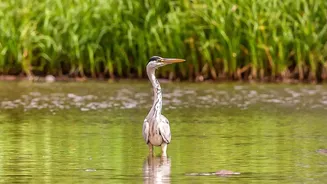
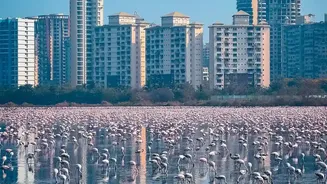
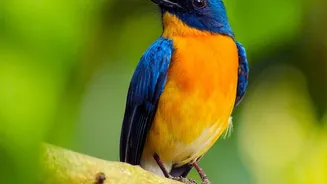
biggest reasons for a sudden influx of birds is migration. As winter approaches in the high Himalayas and Central Asia, many bird species fly south to the warmer plains of India. Cities, with their numerous parks, wetlands, and gardens, become crucial stopover points or even wintering grounds. This is why bird populations in many Indian cities are highest during the winter months. These avian tourists, from waterfowl in urban lakes to smaller birds in neighbourhood parks, add a burst of new activity and song. They are often more visible as they actively forage to refuel after their long journey. After winter, the population may seem to decline as these migratory species depart for their breeding grounds.
The Post-Monsoon Feast
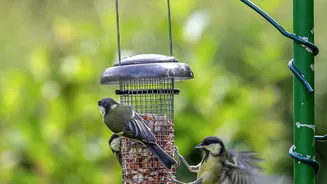
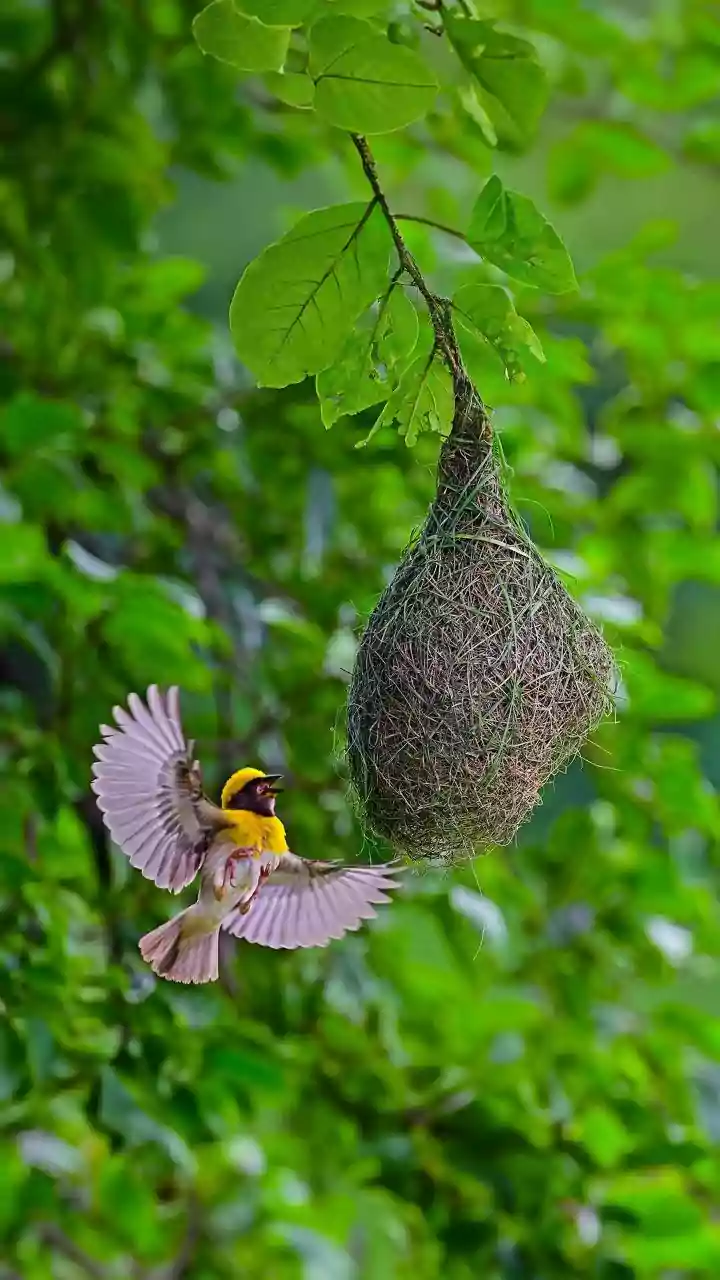
The end of the monsoon season triggers a dramatic change in the urban ecosystem. The abundance of water and lush vegetation leads to a boom in insect populations. For insect-eating birds, this is an all-you-can-eat buffet. With food so readily available, birds become more active and spend more time out in the open, making them easier to spot. This period is also critical for breeding. Some species begin nesting towards the end of the monsoon, and the subsequent increase in insect life provides the high-protein diet needed for their growing nestlings. This combination of abundant food and parenting duties makes for a very visible avian population.
Butterflies on the Breeze
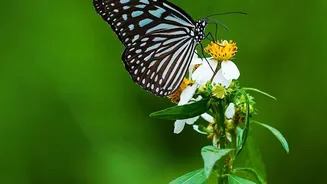
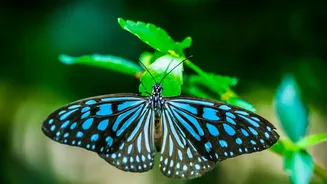
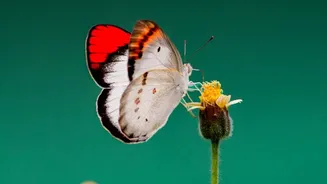
Like birds, many butterfly species also migrate. In southern India, for instance, there is a massive seasonal migration of species like the Blue Tiger and Dark Blue Tiger butterflies. They travel from the Western Ghats to the eastern plains and back again, a journey that often takes them directly through cities like Chennai and Coimbatore. These migrations are tied to the monsoons, with the butterflies riding the winds. Beyond migration, seasonal changes also trigger population booms. A prolonged monsoon can lead to an abundance of the specific host plants that butterflies need to lay their eggs. When these eggs hatch and the larvae become butterflies, it can result in a sudden, dramatic increase in their numbers, an event that is hard to miss.
The City as a Refuge
Urban areas can be surprisingly hospitable, especially during certain seasons. The 'urban heat island' effect, where concrete and asphalt retain warmth, can make cities slightly warmer than surrounding rural areas. This can be an advantage for some species looking to escape colder temperatures. Green spaces within cities—parks, gardens, university campuses, and even roadside plantations—act as vital oases. They provide food, water, and shelter, concentrating wildlife into smaller, more observable pockets. In some cases, as natural habitats outside cities shrink, these urban green zones become even more critical for survival, drawing in more species and making them an integral part of the city's biodiversity.
An Everstating Guest List
The cast of characters you see can also change. For example, recent years have seen Himalayan butterfly species appearing in Delhi, likely transported as eggs or caterpillars on saplings brought in from northern states for plantation drives. Some of these 'accidental immigrants' are now even breeding in the city. Deliberate efforts, like the creation of 'butterfly corridors' with specific nectar-rich plants, have also helped boost local populations and attract new ones. This shows that our urban landscapes are not static; they are dynamic ecosystems where the guest list of birds and butterflies can change with the seasons and even over the years.