








Unlocking India’s Tourism Data
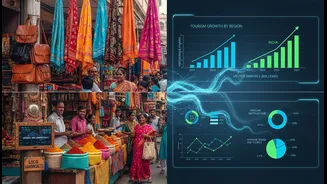
The Ministry of Tourism has launched a comprehensive online dashboard designed to be a one-stop shop for official tourism statistics. This platform provides free public access to a wealth of information that was previously scattered across various reports
and departments. Key metrics available include Foreign Tourist Arrivals (FTAs), Domestic Tourist Visits (DTVs), country-wise e-Visa data, and Foreign Exchange Earnings (FEEs) generated by the sector. The goal is to support timely and informed decision-making by making up-to-date research and analytical inputs readily available. This move toward open data is a significant step, signaling a commitment to transparency and empowering stakeholders with the information they need to navigate the industry.
Who Stands to Benefit?
This data revolution isn't just for government analysts. It's a powerful toolkit for a wide range of users. A small hotel owner in a tourist town can now analyze arrival trends to plan for peak seasons. Tour operators can design more effective travel packages based on which nationalities are increasingly using e-Visas. Researchers and students can access reliable data for academic work, while policymakers can better allocate resources for infrastructure development and promotional campaigns. For the hospitality industry specifically, the government has also been promoting the National Integrated Database of Hospitality Industry (NIDHI+) portal, a platform that streamlines the registration and classification of accommodation units, further enhancing transparency and credibility in the sector.
Why This Matters Now
The initiative arrives at a crucial time for India's tourism industry, which is focused on sustainable growth in a post-pandemic world. Accurate, real-time data is essential for navigating global uncertainties, from economic shifts to geopolitical events that can impact travel. For instance, recent ministry data from April 2026 highlighted a temporary dip in arrivals from key Western markets, partly attributed to tensions in West Asia, demonstrating the dashboard's value in tracking the immediate impact of global events. By providing clear metrics, the portal allows the industry to react swiftly, adapt marketing strategies, and build a more resilient economic foundation. This data-driven approach is vital for achieving ambitious targets and reinforcing international confidence in India as a safe and attractive destination.
A Closer Look at the Numbers
Exploring the portal reveals the depth of information available. Users can track monthly and annual foreign tourist arrivals, see which countries are the top sources, and monitor the uptake of the e-Visa facility. The e-Visa program itself is a major focus for growth, with the government recently expanding it to more countries and continuing to use flexible pricing to attract visitors during different seasons. Beyond visitor numbers, the dashboard delves into the economic impact, presenting figures on foreign exchange earnings and tourism's contribution to the national GDP. This allows for a holistic understanding of the sector's health, moving beyond simple headcounts to measure its true economic footprint.
The Future is Data-Informed
By centralizing this information, the Ministry of Tourism is doing more than just publishing statistics; it is fostering a more sophisticated and responsive tourism ecosystem. This transparency can help attract investment, improve service standards, and ensure that growth is managed sustainably. It allows for strategic planning based on evidence rather than anecdote. For example, understanding that domestic tourism is a massive driver of the industry—with figures in the billions of visits—helps justify infrastructure investment in emerging local destinations. Ultimately, making this data easy to explore empowers a new generation of entrepreneurs, planners, and marketers to build a stronger, more dynamic tourism industry for the future.