



The 'Hydrogen for Heritage' Vision
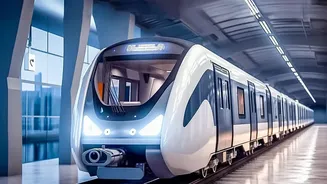
Indian Railways has launched an ambitious initiative named 'Hydrogen for Heritage' to modernize its historic, narrow-gauge train routes. The plan involves deploying 35 hydrogen-powered trains across several of the nation's most cherished and ecologically
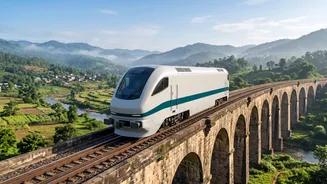
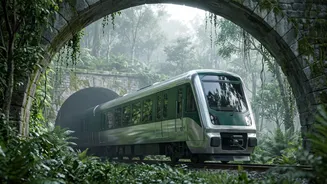
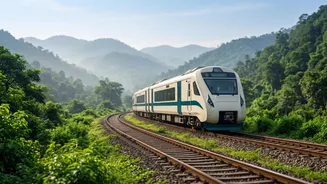
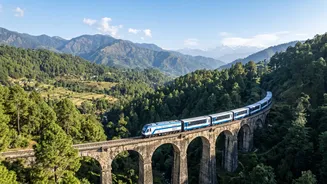
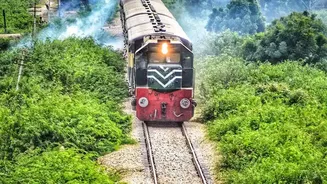
sensitive corridors. These routes, often running through mountainous terrain and national parks, include world-famous lines like the Kalka-Shimla Railway, the Darjeeling Himalayan Railway, and the Nilgiri Mountain Railway. The core idea is to replace the old, polluting diesel engines with a clean technology that preserves not just the heritage of the trains but also the pristine environments they traverse. Erecting traditional electric lines with poles and overhead cables is often impractical and would spoil the natural beauty of these scenic routes, making hydrogen an ideal solution.
How Do Hydrogen Trains Work?
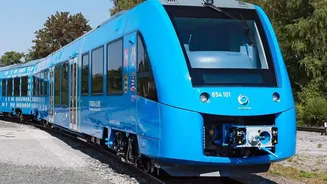
At its heart, a hydrogen train is an electric train that generates its own power onboard. Instead of drawing electricity from overhead wires or burning diesel, it uses a fuel cell. Inside the fuel cell, hydrogen stored in tanks on the train reacts with oxygen taken from the air. This electrochemical reaction produces two things: electricity to power the motors, and water vapour, which is the only emission. This process is quiet and completely free of the greenhouse gases, particulate matter, and nitrogen oxides that are released by diesel engines. Any excess electricity generated can be stored in onboard batteries to provide extra power when needed, making the system highly efficient.
Why Heritage Routes Are the Perfect Starting Point
Targeting heritage lines first is a strategic choice. These routes are often shorter and operate at lower speeds, making them perfect test beds for this new technology. More importantly, they run through ecologically fragile areas where the impact of diesel pollution—noise, smoke, and emissions—is most damaging to the local flora, fauna, and overall tourist experience. By making these journeys silent and emission-free, Indian Railways aims to enhance the appeal of these 'toy trains', allowing passengers to soak in the natural splendour without the disturbance of a noisy, smelly diesel engine. This move supports India's larger goal of becoming a net-zero carbon emitter by 2030 and showcases a commitment to sustainable tourism.
Progress and Prototypes
The project is already in motion. Indian Railways has been actively developing and testing the technology. A pilot project to retrofit an existing Diesel Electric Multiple Unit (DEMU) with a hydrogen fuel cell system was established for the Jind-Sonipat section in Haryana. Following successful trials, India's first indigenous hydrogen-powered train was flagged off on this route on July 17, 2026. This prototype serves as a crucial technology demonstrator, providing valuable operational data. The experience gained from the Jind-Sonipat service is now being used to inform the wider deployment on the more complex terrain of the heritage routes, like the Kalka-Shimla line.
Challenges and the Road Ahead
Despite the promise, the transition isn't without hurdles. The initial costs are significant, with each hydrogen train estimated to cost around ₹80 crores, plus an additional ₹70 crores per route for ground infrastructure like hydrogen production and refueling stations. Green hydrogen production itself is energy-intensive and currently more expensive than diesel or electricity. Handling and storing highly flammable hydrogen also requires stringent safety protocols and specialized infrastructure. However, officials anticipate that as the technology matures and more trains are brought into service, the costs will gradually decrease. The 'Hydrogen for Heritage' project is therefore seen as a long-term investment in India’s green future and its technological capabilities, placing it among a select group of nations pioneering hydrogen rail transport.