

The Soaring Cost of Textile Waste
Every year, millions of tons of textiles end up in landfills across the globe. The fashion and textile industries are major contributors to pollution, consuming vast amounts of water, energy, and chemicals to produce new fabrics. It is estimated that
producing a single cotton t-shirt requires about 2,700 liters of water. When we discard clothing and other textiles, they decompose in landfills, releasing harmful greenhouse gases and leaching toxic dyes into the soil and groundwater. Upcycling intercepts this journey to the landfill. By giving a second life to fabric scraps—be it from old clothes, curtains, or bedsheets—we directly reduce waste and lessen the demand for new, resource-intensive production. It's a powerful and practical response to a significant environmental problem.
Beyond Savings: A Personal Touch
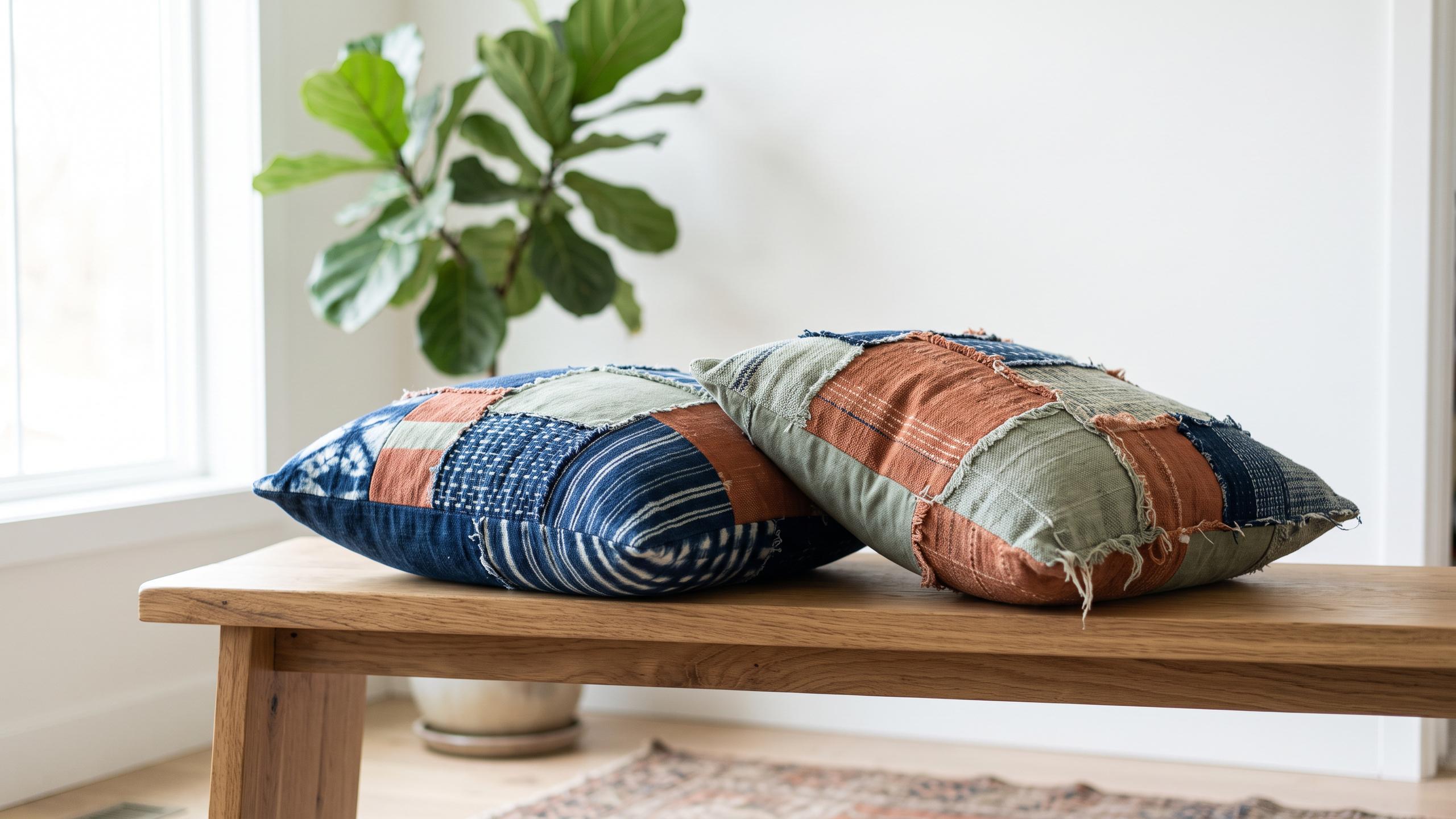
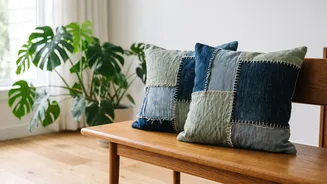
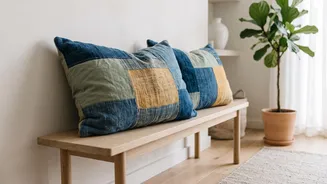
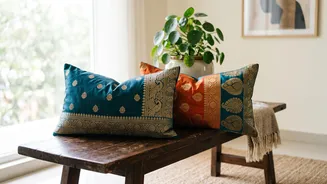
While upcycling is undoubtedly cost-effective, its appeal goes far beyond the financial benefits. In an era of mass-produced goods, creating something by hand offers a unique sense of accomplishment and personality. Upcycling textile scraps allows you to craft one-of-a-kind decor pieces that tell a story. That patchwork cushion cover might be made from a child's outgrown clothes, or a wall hanging could be woven from an old, beloved saree. This practice infuses your living room with memory, history, and a distinct character that cannot be bought off a shelf. It’s a return to craftsmanship and intentionality, creating a home that is not just decorated, but curated with meaning.
Unleash Your Inner Designer
Upcycling is a gateway to creativity. You don't need to be a professional designer to transform scraps into something stunning. The process encourages you to see potential in the forgotten, to mix patterns, textures, and colours in new and exciting ways. An old denim jean can become a durable rag rug, while soft cotton scraps can be stitched into a colourful throw blanket. This creative freedom allows for complete personalization of your living space. From custom lampshades to unique wall art, upcycling gives you the tools to design a room that truly reflects your style and values, making your decor a conversation starter.
From Scraps to Stunning Decor
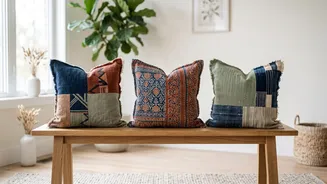
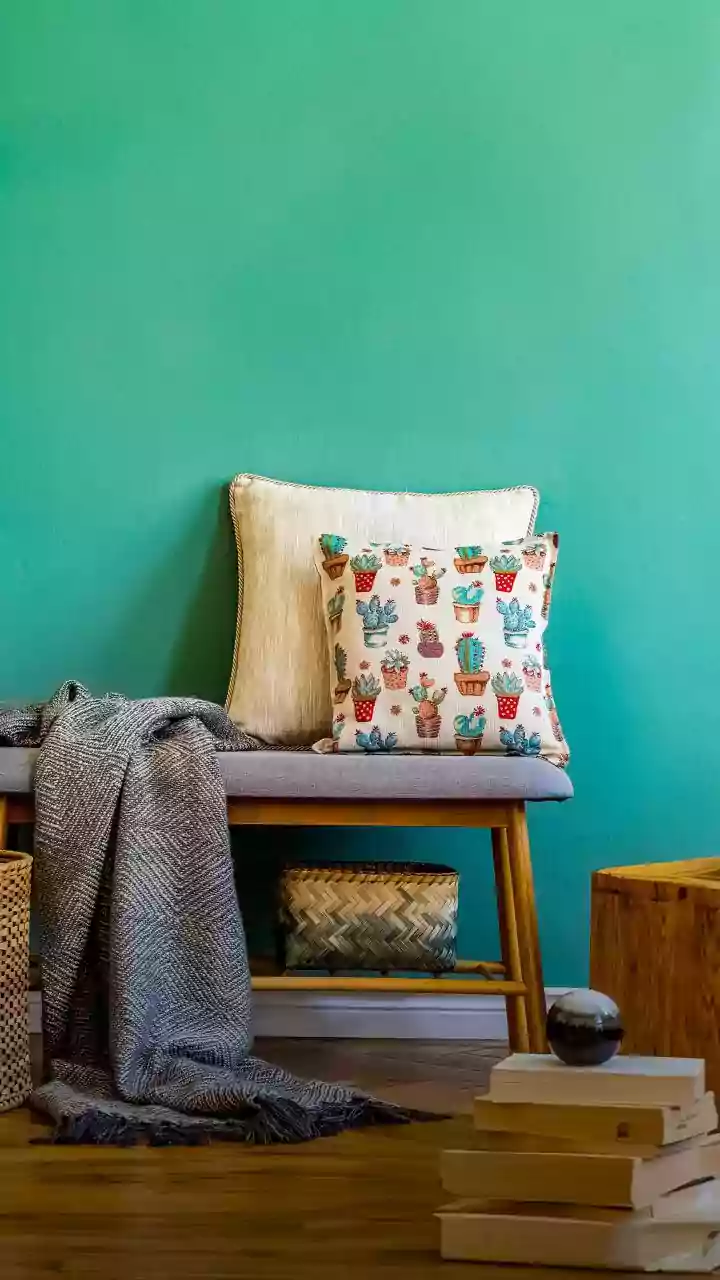
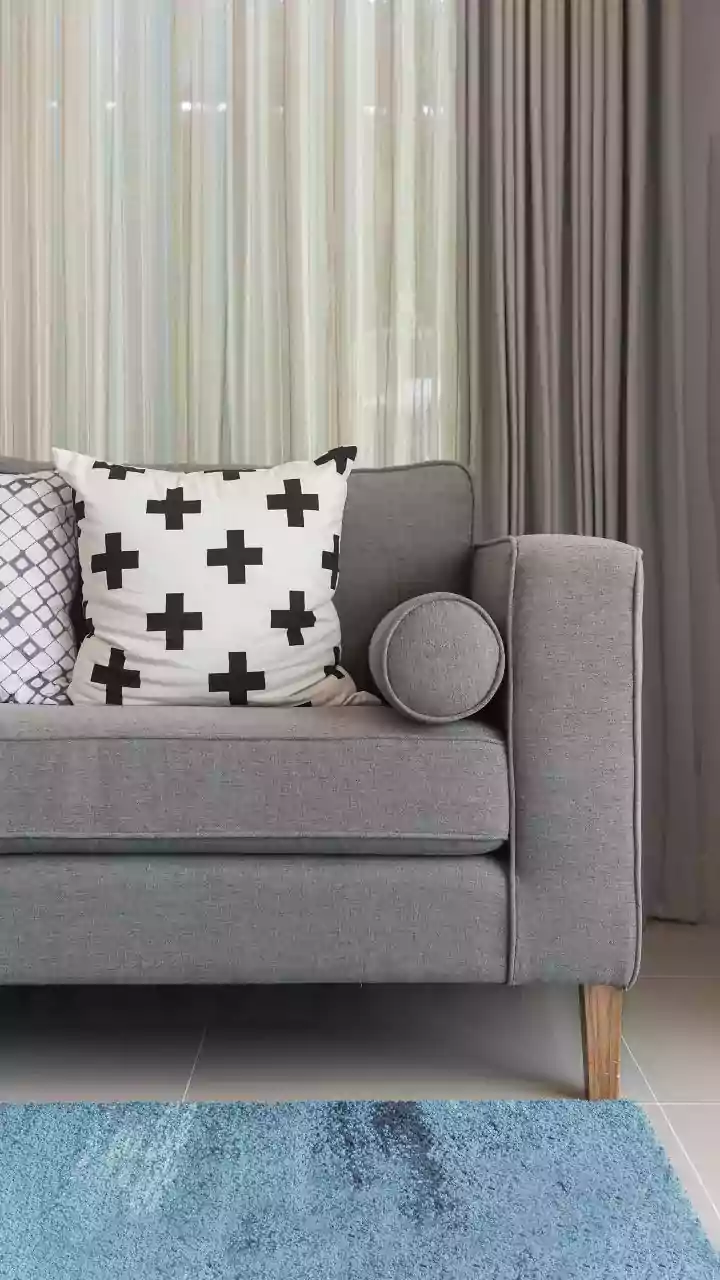
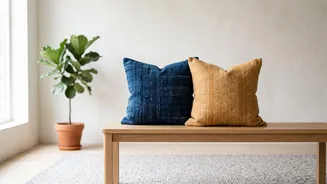
The living room is the heart of the home, and there are countless ways to adorn it using upcycled textiles. Imagine creating vibrant cushion covers from a collection of fabric remnants, instantly refreshing your sofa. You could braid or weave old t-shirts and sheets into a soft, circular rug. Fabric scraps can be stretched over a canvas to create affordable and original wall art or used to make festive, reusable bunting for celebrations. Other popular ideas include making unique coasters, fabric-covered storage boxes, and even custom lampshades that cast a warm, personalized glow. Each project, no matter how small, contributes to a more sustainable and stylish home.
Getting Started Is Easier Than You Think
Starting your upcycling journey doesn't require a lot of skill or expensive tools. Begin by collecting fabric scraps from items you no longer use. Sort them by colour, texture, or type. For no-sew projects, a good pair of scissors and fabric glue are often all you need. You can create fabric-covered pots, tie a no-sew fabric wreath, or frame interesting fabric pieces as art. For those comfortable with a needle and thread, simple projects like patchwork coasters or pillow covers are a great starting point. The key is to start small, experiment, and enjoy the process of transforming 'waste' into something beautiful and useful.