

Your Spine is Your Lifeline
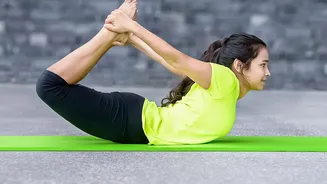
Think of your spine as the central pillar of your body. It supports your structure, enables movement, and protects your spinal cord. When your spine is stiff, it affects everything from your posture to your ability to move freely and without pain. Tightness
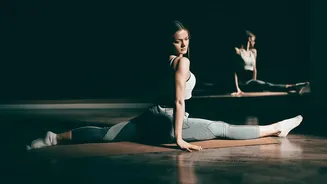
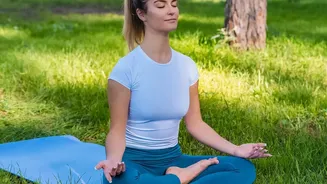
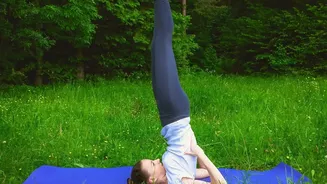
from prolonged sitting or poor posture can lead to discomfort and reduce your overall mobility. A flexible spine, on the other hand, allows for a greater range of motion, helps prevent injuries, and contributes to better balance and posture. Gentle, daily yoga practices are a fantastic way to maintain this crucial flexibility, release muscle tension, and keep your back healthy.
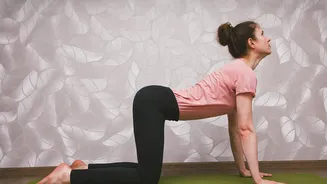
The Gentle Cat-Cow Stretch (Marjaryasana-Bitilasana)
If there's one place to start, it's with Cat-Cow. This foundational movement is perfect for beginners and is used to gently warm up the entire spine. To begin, come onto your hands and knees, with your wrists under your shoulders and knees under your hips. As you inhale, drop your belly towards the floor, lift your chest, and look forward into Cow Pose. As you exhale, round your spine toward the ceiling, tucking your chin to your chest, like a cat stretching its back. Flowing between these two poses, guided by your breath, helps to improve spinal mobility, relieve tension in the back and neck, and prepare your body for deeper stretches.
The Rejuvenating Cobra Pose (Bhujangasana)
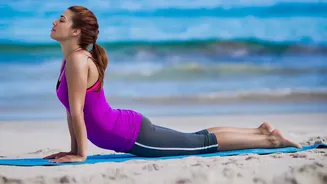
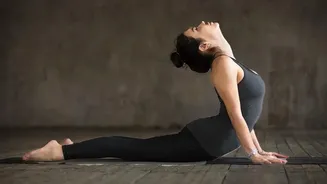
Cobra Pose is a gentle backbend that helps counteract the effects of slouching by strengthening spinal muscles and opening the chest. To practice it, lie on your stomach with your forehead on the mat and your legs extended behind you. Place your hands under your shoulders, keeping your elbows tucked in close to your body. On an inhale, gently lift your head and chest off the floor, using your back muscles more than the strength of your arms. Keep the lift gentle; a 'baby cobra' where you only rise a few inches is highly effective for beginners. This pose strengthens the back, improves posture, and increases spinal flexibility.
The Restful Child's Pose (Balasana)
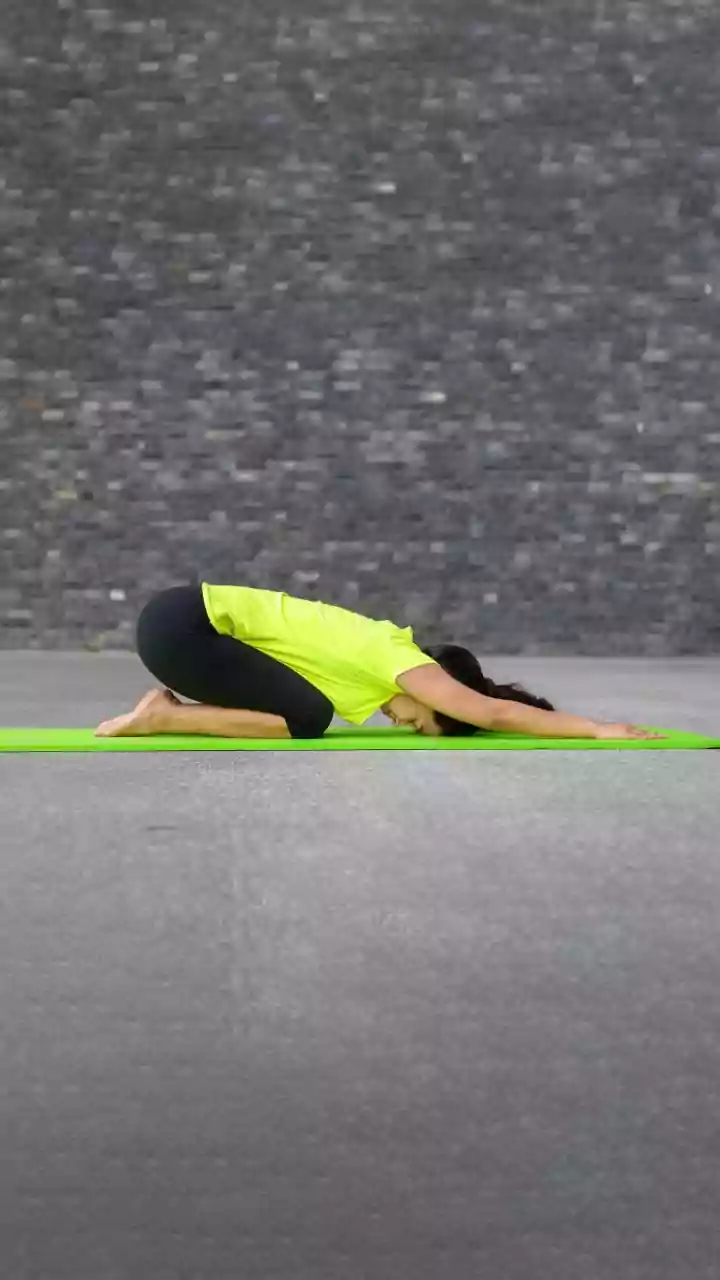
Child's Pose is a resting posture that offers a gentle, passive stretch for the entire back, from your neck down to your lower back. From a hands-and-knees position, lower your hips back towards your heels and let your torso rest forward between or on top of your thighs. You can extend your arms forward or rest them alongside your body. This pose helps to decompress the spine, relieving tension and fatigue. It's a calming posture that encourages you to focus on your breath and is a wonderful way to end a sequence or take a break whenever you need it.
The Supportive Bridge Pose (Setu Bandhasana)
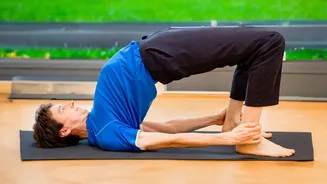
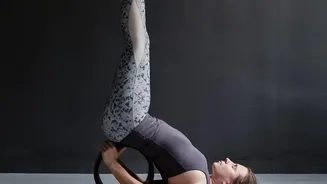
Bridge Pose is another accessible backbend that strengthens your back, glutes, and hamstrings while stretching the chest and spine. Lie on your back with your knees bent and feet flat on the floor, hip-width apart and close enough to touch with your fingertips. On an inhale, press through your feet to lift your hips off the floor. You can clasp your hands together underneath you, rolling your shoulders under to help open the chest. The key is to keep your knees aligned over your ankles and avoid straining your neck. This pose is rejuvenating and excellent for improving posture.