




The Hidden Power Within Sesame Seeds
At the heart of sesame oil’s benefits are powerful, naturally occurring compounds called lignans. The two most notable are sesamin and sesamolin. These aren't just fancy names; they are potent antioxidants that play a significant role in the oil's stability
and its health-promoting properties. Antioxidants are like cellular bodyguards, protecting our bodies from the damage caused by unstable molecules known as free radicals. Research has shown that the lignans in sesame oil are effective at this job, helping to reduce oxidative stress. In addition to these unique lignans, sesame oil is a good source of Vitamin E, another crucial antioxidant, and contains beneficial fatty acids that contribute to its celebrated status in both cooking and traditional wellness practices like Ayurveda.
The Problem with High Heat and Refining
Most commercially produced oils, including many sesame oils, undergo a process of high-heat extraction and refining. This industrial method is designed for maximum yield and a long, stable shelf life. Seeds are often roasted at high temperatures and then pressed, sometimes with the use of chemical solvents, to extract every last drop of oil. The resulting oil is then often bleached and deodorized. While efficient, this process comes at a significant cost to the oil's nutritional integrity. High heat is the primary culprit. The delicate antioxidant compounds, particularly sesamin and sesamolin, are heat-sensitive and begin to degrade as temperatures rise. The very components that give the oil its protective qualities are stripped away, leaving behind a product with a diminished nutritional profile.
The Wisdom of Tradition: The 'Chekku'
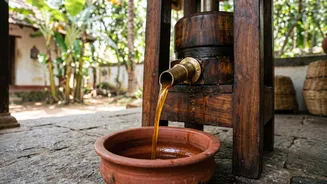
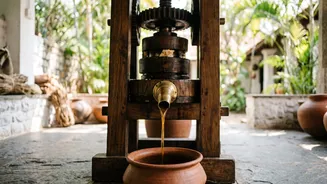
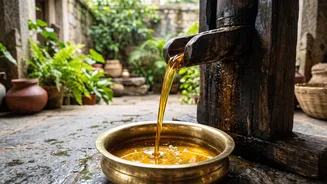
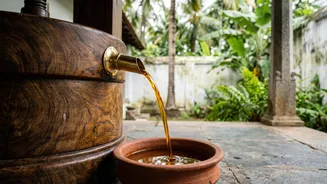
For centuries, South India has relied on a method that elegantly sidesteps the problem of heat. This traditional technique uses a 'chekku', also known as a 'ghani'. It is essentially a large mortar and pestle, traditionally crafted from wood and often powered by bulls walking in a slow, steady circle. Sesame seeds are placed into the wooden cavity (the mortar), and a large wooden pestle grinds them through slow, mechanical pressure. Because wood is a poor conductor of heat and the process is slow, very little friction-generated heat is produced. Temperatures typically remain below 50°C. This 'cold-pressing' method, born from generations of experience, prioritises quality over quantity, ensuring the oil is extracted gently and without the damaging effects of high temperatures.
Preserving Nature's Intended Goodness
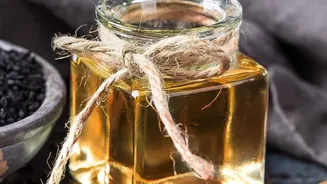
By keeping the temperature low, the chekku or wood-pressed method ensures that the heat-sensitive lignans like sesamin and sesamolin, along with Vitamin E, are preserved in the final oil. This means the oil you get is not just a cooking medium but a carrier of the seed's full nutritional and antioxidant potential. The difference is tangible. Cold-pressed sesame oil retains its natural, pale golden colour and a rich, nutty aroma and flavour, unlike the often odourless and lighter-coloured refined versions. This preservation of its natural antioxidant system is also why unrefined sesame oil has a longer shelf life than one might expect and stands up well to moderate cooking temperatures, as these compounds protect the oil itself from oxidation.
More Than Just a Cooking Oil
The use of this heritage oil in South India extends far beyond the kitchen. Its preservation of beneficial compounds makes it a staple in Ayurvedic practices for 'abhyanga' (body massage) and oil pulling. The traditional wisdom that valued this oil for its nourishing properties is now being explained by modern science, which links its antioxidant content to a range of potential health benefits. When choosing a sesame oil, looking for terms like 'wood-pressed', 'chekku', or 'cold-pressed' can guide you to a product that honours this tradition. It represents a choice to embrace an oil in its most complete form, carrying the flavour, aroma, and the full spectrum of compounds that nature intended.