



Paddling on Liquid Glass
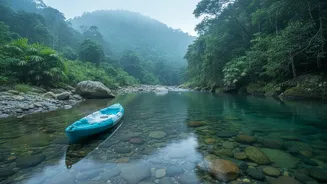
Meghalaya, the 'Abode of Clouds', is home to one of India’s most stunning natural phenomena: the Umngot River. Flowing through the villages of Dawki and Shnongpdeng, the river is world-renowned for its astonishing clarity. During the drier months, from
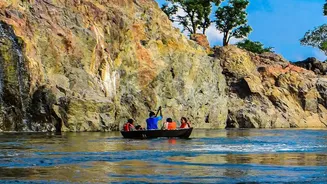
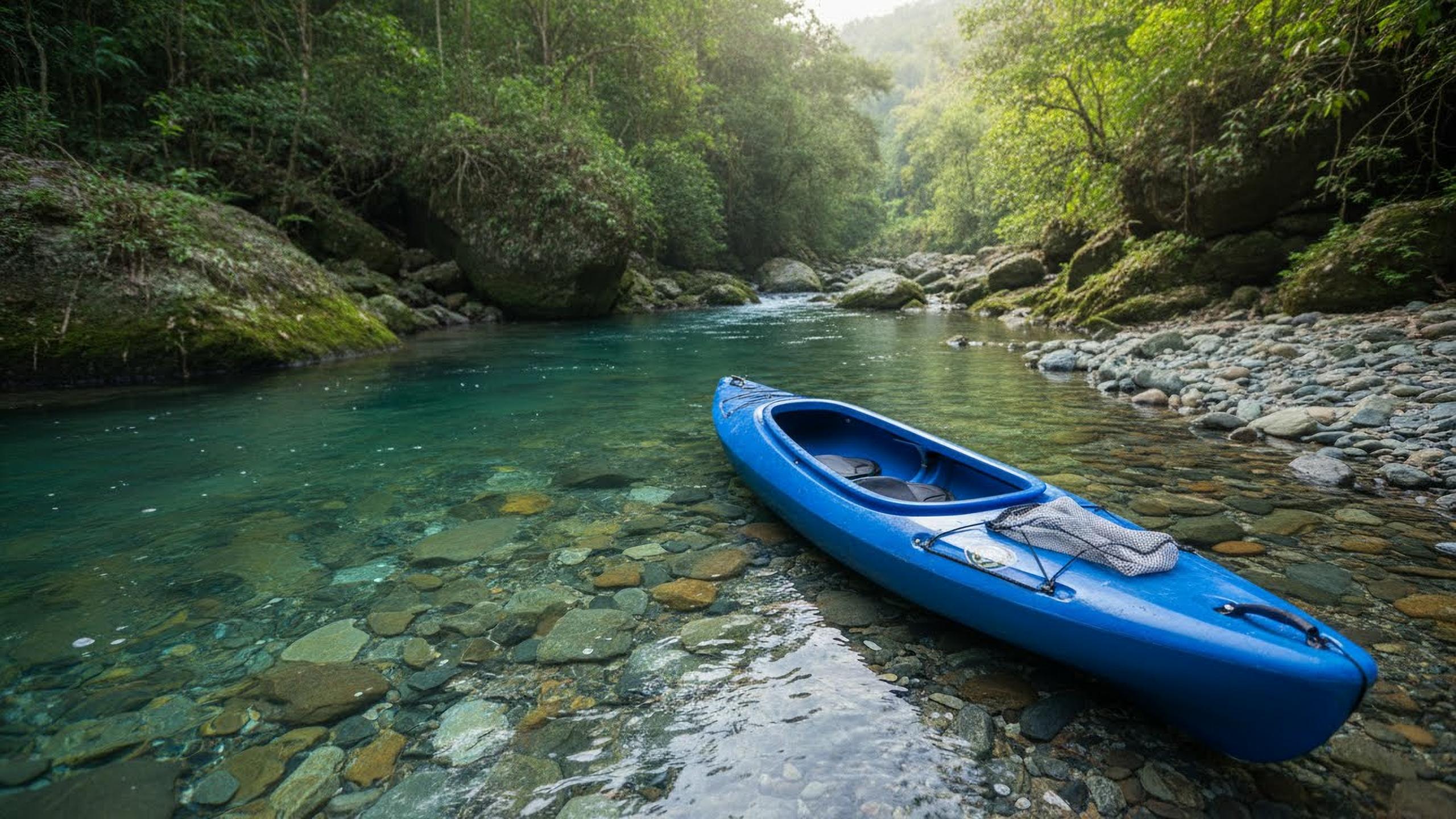
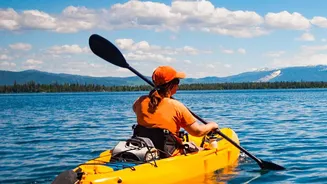
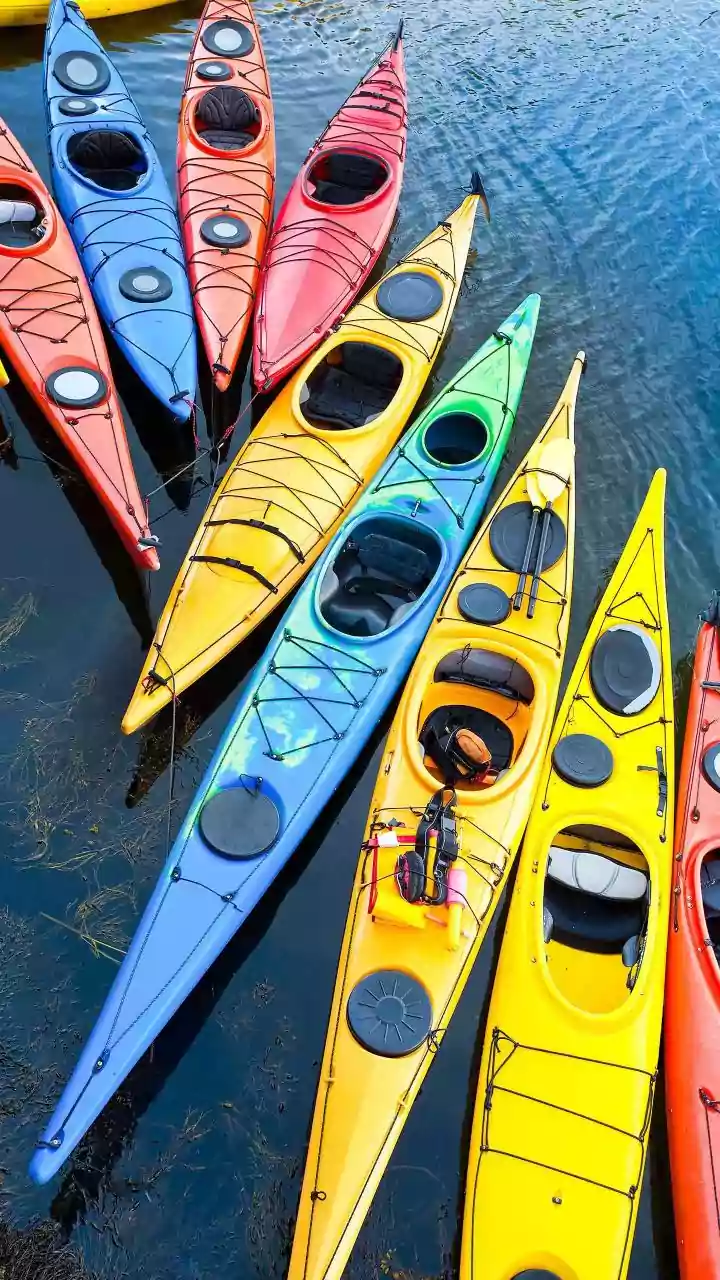
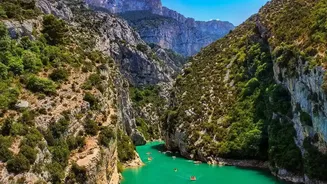
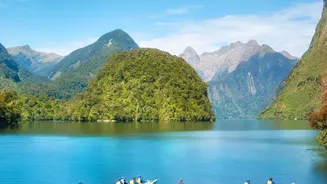
autumn to spring, the water becomes so transparent that the riverbed, with its colourful stones and pebbles, is perfectly visible from the surface. This creates the surreal illusion that the traditional wooden boats and modern kayaks are suspended in mid-air. This magical experience has put the region on the global travel map, attracting visitors who come to witness the spectacle and paddle through its serene, emerald-green waters.
More Than Just a Pretty Picture
The incredible clarity of the Umngot is not an accident of nature alone; it is the result of dedicated, community-driven conservation. Unlike many tourist hotspots where visitor traffic leads to degradation, the tourism model here is intrinsically linked to preservation. The local Khasi and Jaintia communities, who have been custodians of these lands for generations, understood early on that the river's health was their most valuable asset. This has fostered a deep-rooted culture of cleanliness and environmental responsibility that forms the backbone of the eco-conscious tours. The result is a powerful synergy where the very act of tourism provides the incentive and the means to protect the environment.
The Economics of Preservation
The eco-tourism model in villages like Shnongpdeng is a masterclass in sustainable economics. Local residents operate the kayaking, boating, homestay, and camping facilities, ensuring that the financial benefits of tourism flow directly into the community. This creates a powerful economic incentive to maintain the river's pristine condition. A clean river means more tourists, which in turn means a stable livelihood. Many villages have their own waste management systems, using bamboo dustbins and organising regular clean-up drives to remove any garbage from the river and its banks. This bottom-up approach, where the guardians of the resource are also its primary beneficiaries, has proven far more effective than top-down regulation.
Guardians of the Aquatic Realm
The clear, unpolluted water doesn't just benefit tourism; it supports a vibrant aquatic ecosystem. The Umngot and other healthy rivers in Meghalaya are home to various species of fish, including the Golden Mahseer, a prized fish that is an important indicator of a river's health. By choosing a kayaking tour, visitors are indirectly contributing to the protection of these habitats. The guides, who are often from the local fishing community, possess a deep knowledge of the river's ecology and play a crucial role in educating tourists about the importance of not disturbing the wildlife. Kayaking, being a quiet and non-intrusive activity, allows for close observation of nature without causing a disturbance, making it the perfect way to appreciate the river's delicate balance.
A Model for the Future
The success story of Meghalaya's community-led kayaking tours offers a hopeful blueprint for the future of travel in India and beyond. It demonstrates that tourism does not have to be a destructive force. When local communities are empowered as stakeholders and when travellers make conscious, responsible choices, tourism can become a regenerative activity. By visiting and participating in these eco-conscious tours, travellers are not just buying an experience; they are casting a vote for a more sustainable and equitable form of tourism. They are helping to ensure that the illusion of boats floating on air is not a fleeting spectacle but a lasting legacy, preserved for generations to come.