







The Humidity Factor: Why Lighter is Better
The defining challenge of monsoon dressing isn't just the rain—it's the humidity. When the air is saturated with moisture, sweat doesn't evaporate from your skin, making you feel hot and uncomfortable. Heavy fabrics compound this problem by trapping heat
and moisture, taking hours to dry if they get wet. Lighter, more breathable materials allow for better air circulation, helping your body release heat and keeping you cooler. The goal is to choose fabrics that dry quickly and don't cling to your body when damp, ensuring you stay comfortable whether you're caught in a downpour or just navigating a humid day.
Embrace Natural and Breathable Fibres
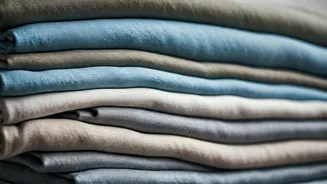
Cotton is a classic choice for its breathability and comfort. However, not all cotton is created equal for the monsoon. Opt for lightweight cottons like voile and muslin, which are airy and dry relatively quickly. Heavy cottons, on the other hand, can absorb a lot of water and become heavy and uncomfortable when wet. Linen is another superstar for humid weather. It's exceptionally breathable, absorbs moisture, and dries faster than cotton. While it wrinkles easily, the relaxed texture is perfect for the casual aesthetic of the season.
The Smart Synthetic Solution
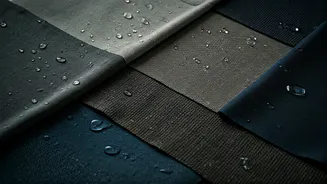
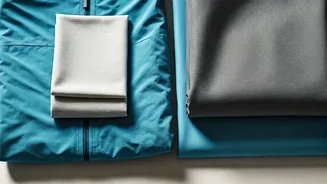
While natural fibres are great for breathability, modern synthetics offer superior performance when it comes to repelling water and drying quickly. Polyester and nylon blends are excellent choices, especially for bottoms or outerwear. These fabrics are engineered to wick moisture away from the skin rather than absorbing it. A polyester-blend kurta or a pair of nylon trousers can be a practical choice for a commute, as they won't get waterlogged and will dry in a fraction of the time compared to natural fibers. They are also durable and resist shrinking after frequent washes.
Semi-Synthetics: The Best of Both Worlds
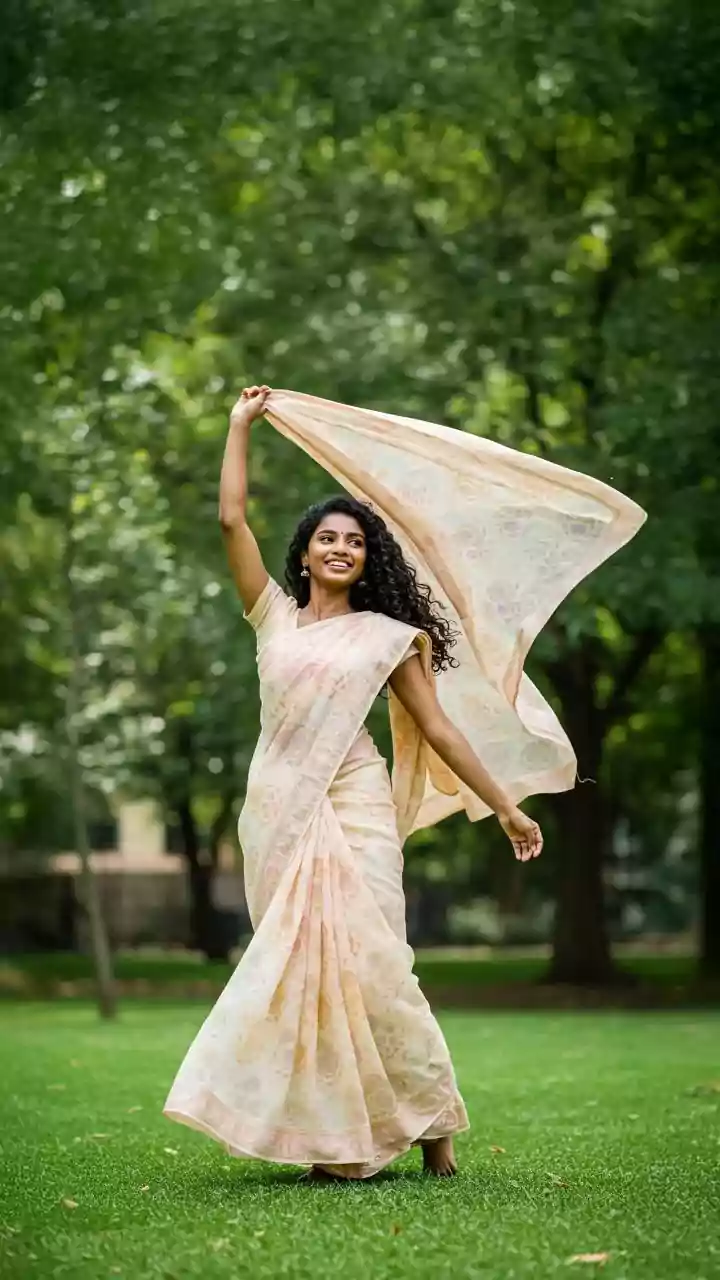
Fabrics like rayon and modal offer a comfortable middle ground. Derived from natural cellulose, they are known for their soft, silky feel and beautiful drape, which prevents them from clinging to the body. Rayon absorbs moisture well and is highly breathable, making it suitable for the sticky conditions of the rainy season. Cotton-rayon or polyester-rayon blends are particularly effective, combining the comfort of natural fibres with the quick-drying and wrinkle-resistant properties of synthetics. These blends are perfect for everything from flowy dresses to comfortable workwear tops.
Fabrics to Avoid During Monsoon
Just as important as knowing what to wear is knowing what to avoid. Steer clear of heavy denim, which becomes incredibly heavy and takes ages to dry once wet. Thick, absorbent materials like wool and corduroy are also poor choices, as they trap moisture and can develop a musty smell. While luxurious, pure silk should be avoided as it can stain permanently from rainwater and loses its structure. Similarly, delicate fabrics like chiffon can be easily damaged and become transparent when wet, leading to potential wardrobe malfunctions.