




A Second Kingdom for the King
For decades, the story of the Asiatic lion has been one of remarkable recovery, centred entirely on the Gir forest in Gujarat. Once on the brink of extinction, the population has grown significantly, a testament to sustained conservation efforts. However,
concentrating an entire species in one location is a high-stakes gamble. A single disease outbreak, like the canine distemper virus that claimed several lions in 2018, or a natural disaster could be catastrophic. This is why the establishment of Barda Wildlife Sanctuary, roughly 100 km from Gir, as a second home is so critical. Designated under the national 'Project Lion', Barda is meant to act as a vital insurance policy, ensuring the long-term survival of this majestic species by creating a geographically separate population.
The Return of the Pride
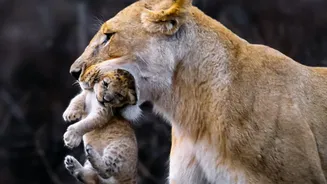
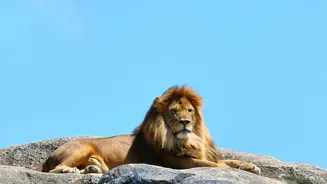
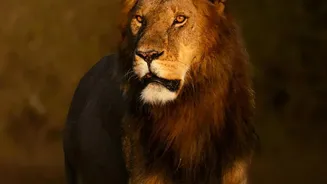
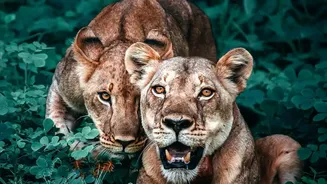
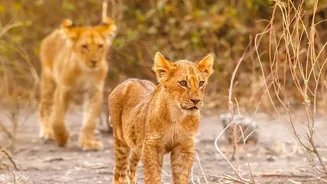
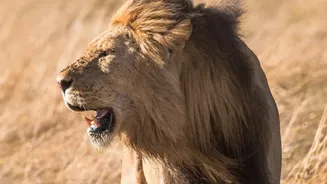
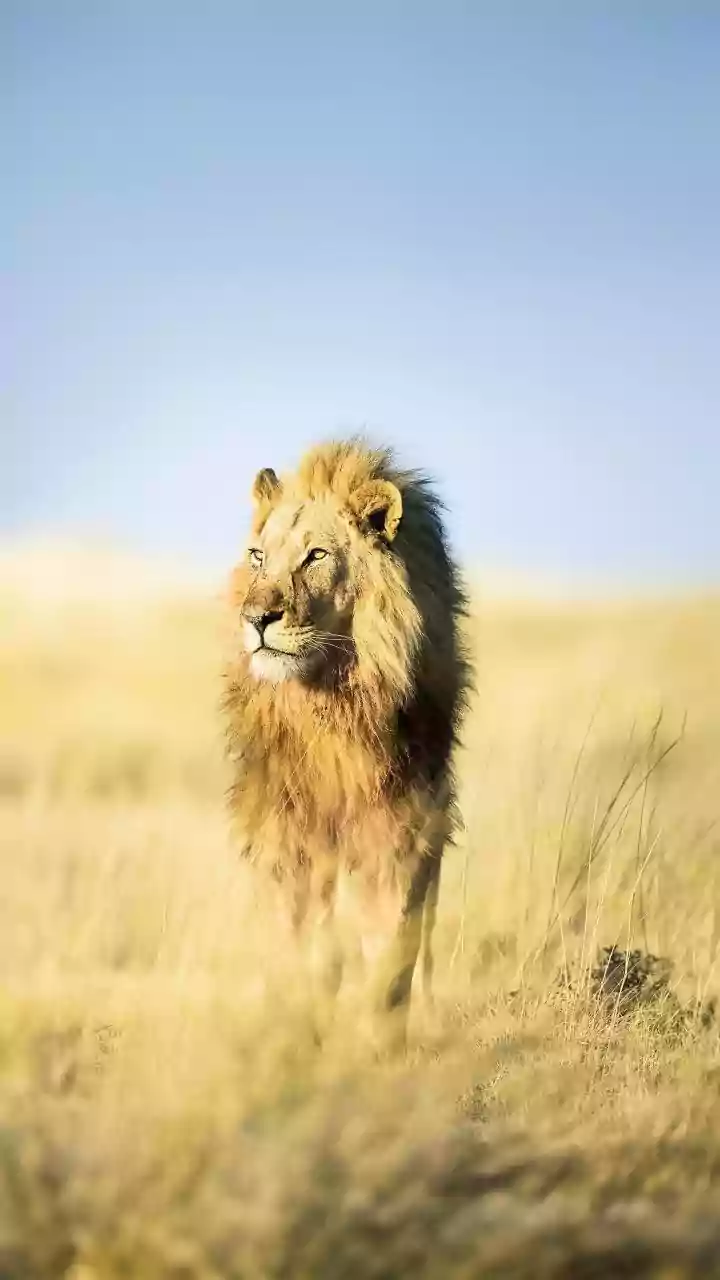
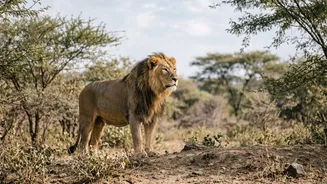
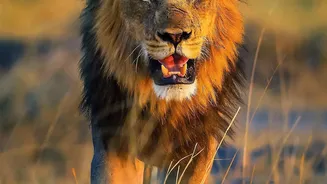
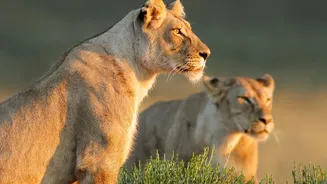
The recolonisation of Barda did not happen overnight. The journey began in January 2023, when a lone male lion naturally dispersed from the Gir landscape and entered the sanctuary. Recognizing the opportunity, the Gujarat Forest Department augmented this natural migration by introducing five females. This pride has since thrived, and as of late 2025, the sanctuary was home to a growing population of 17 lions, including 11 cubs. A recent scientific study confirmed that Barda's habitat, with its forests and grasslands, is suitable for supporting a long-term lion population. To ensure the success of this delicate reintroduction, prey animals like spotted deer have also been translocated to the sanctuary, strengthening the local food chain.
The Unseen Threats Lurking Within
While the return of lions to Barda is a cause for celebration, the sanctuary is not a pristine, isolated wilderness. It faces a complex web of threats that demand constant vigilance and 'active protection'. The landscape is dotted with human settlements, including the Maldharis and other pastoral communities who have lived there for generations. This proximity inevitably leads to human-wildlife conflict. A study of the lions' diet in Barda revealed that while wild pigs are their primary food source, domestic cattle also make up a significant portion, creating potential friction with livestock owners. Furthermore, major roads and even a railway track pass near the protected area, posing a constant threat of accidents. The presence of unguarded wells in the surrounding agricultural lands is another hidden danger, as lions can accidentally fall into them.
What 'Active Protection' Actually Means
Active protection goes far beyond simply declaring an area a sanctuary. It involves a suite of modern, proactive measures designed to manage and mitigate risks. Under Project Lion, conservationists are employing cutting-edge technology to monitor the new population. Six of the Barda lions have been fitted with GPS radio-collars, allowing researchers to track their movements, understand their habitat use, and monitor social interactions in near real-time. This data is crucial for anticipating and preventing conflicts. Protection also involves on-the-ground efforts like increasing the number of forest guards, who patrol the area to prevent poaching and respond to emergencies. Community engagement is another pillar, with programs aimed at educating local villagers and providing them with resources, such as building 'machans' (watchtowers) to protect crops without harming wildlife.