





Why Use a Pressure Cooker for Millets?
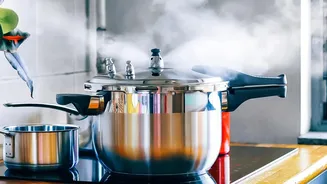
Cooking millets in a pressure cooker is a game-changer for several reasons. It significantly cuts down on cooking time, making it a practical choice for busy households. The sealed environment ensures even heat distribution, cooking the grains uniformly
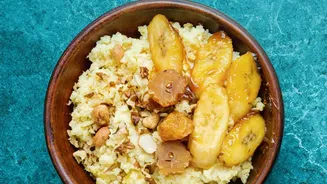
without needing constant attention. This method also helps in preserving the nutrients that can be lost in other cooking processes. Most importantly, it gives you incredible control over the final texture, allowing you to achieve everything from a fluffy, separate grain perfect as a rice substitute to a soft, comforting porridge.
The Golden Water-to-Millet Ratio
The most common reason for mushy or undercooked millet is an incorrect water ratio. While it can vary slightly by millet type, a good starting point is key. For a fluffy, rice-like texture, use a 1:2 ratio (1 cup of millet to 2 cups of water). If you desire a softer, porridge-like consistency, increase the water to a 1:2.5 or 1:3 ratio (1 cup of millet to 2.5 or 3 cups of water). Remember that a pressure cooker loses very little water to evaporation, so you need less liquid than you would for stovetop cooking. Adding a teaspoon of oil or ghee can help prevent sticking and enhance flavour.
To Soak or Not to Soak?
Soaking millets before cooking is a highly recommended step. Soaking for at least 4-8 hours helps to break down phytic acid, an anti-nutrient that can interfere with mineral absorption. This not only makes the millets easier to digest and reduces bloating but also significantly cuts down on the cooking time and results in a softer, fluffier texture. Simply rinse your millet, cover it with water, and let it sit for a few hours or overnight. If you are short on time, even a 30-minute soak is beneficial. After soaking, be sure to drain the water and rinse the millets again before cooking.
A Guide to Popular Millets
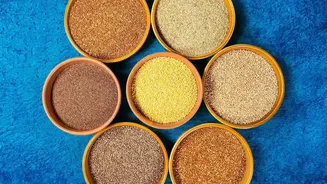
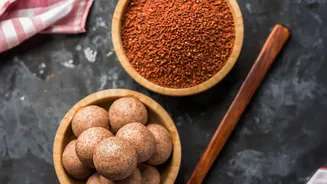
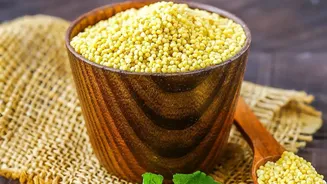
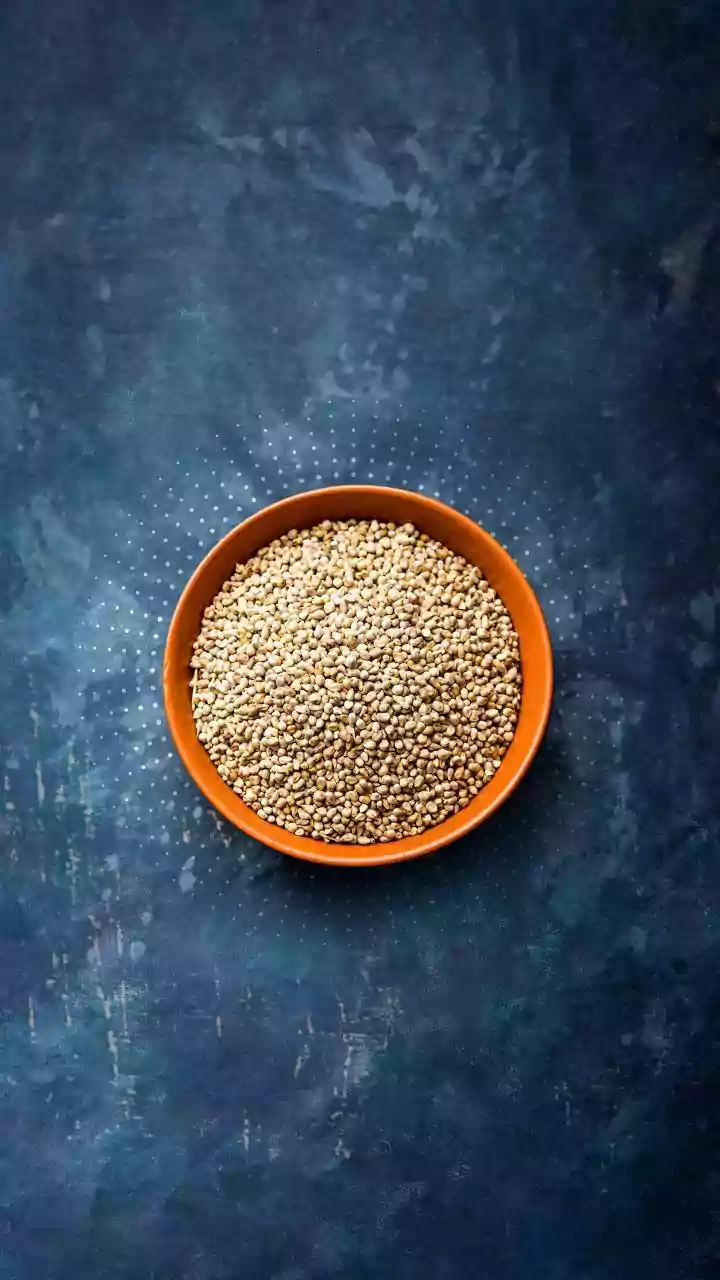
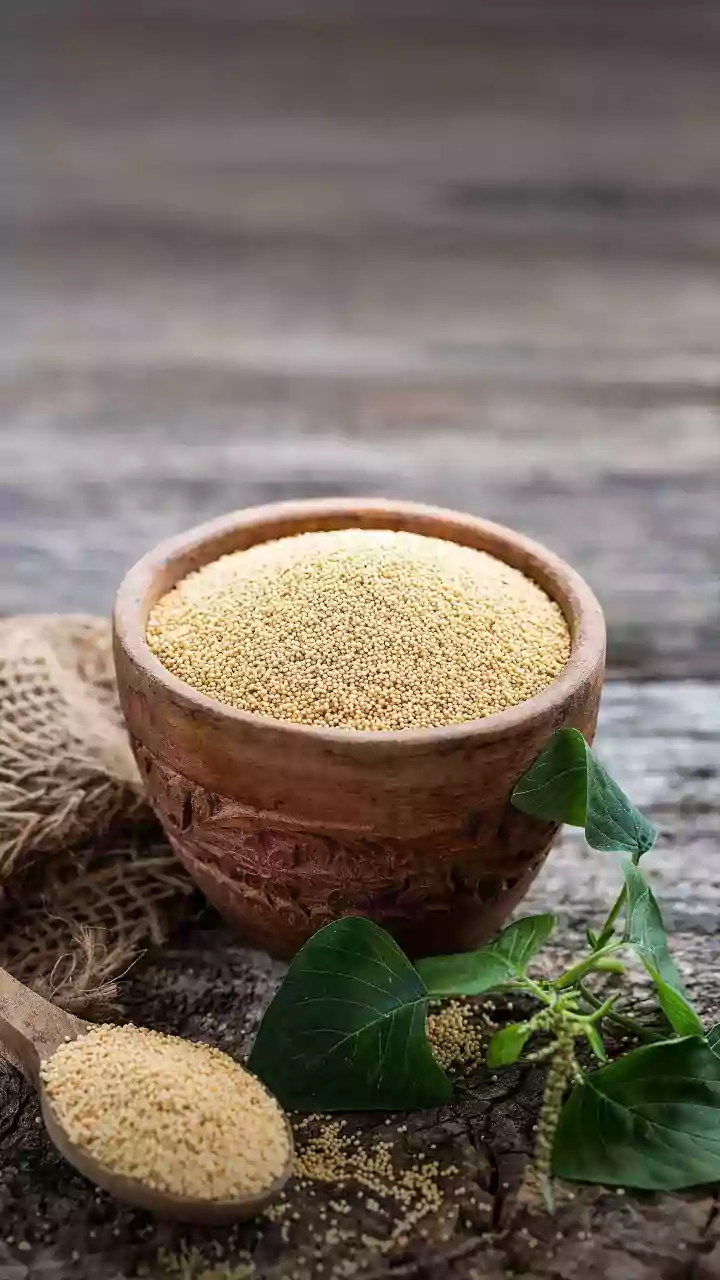
Different millets have slightly different requirements. Here is a quick guide for some popular varieties when using a pressure cooker, assuming the millets have been soaked: Foxtail Millet (Kangni/Thinai): Use a 1:2 water ratio and cook for 1-2 whistles on medium flame. It becomes light and fluffy. Barnyard Millet (Kuthiraivali/Sanwa): This cooks very quickly. Use a 1:1.5 or 1:2 water ratio and cook for 2 whistles. It is great for upma or as a rice substitute. Kodo Millet (Varagu): Use a 1:2 water ratio and cook for 2-3 whistles. It has a slightly chewy texture and a neutral flavour. Little Millet (Samai): Similar to foxtail millet, use a 1:2 water ratio and cook for 1-2 whistles.* Pearl Millet (Bajra): Being a harder grain, it benefits from a longer soak. Use a 1:2 water ratio and cook for 2-3 whistles.
Step-by-Step Cooking Process
Ready to cook? Follow these simple steps:1. Rinse and Soak: Rinse the millet thoroughly until the water runs clear. Soak for the recommended time if possible.2. Add to Cooker: Drain the soaked millet and add it to the pressure cooker along with fresh water or broth according to the desired ratio. A pinch of salt is recommended.3. Pressure Cook: Close the lid and cook on a medium flame for the number of whistles recommended for your millet type. For pre-soaked positive millets, 1-2 whistles are often sufficient.4. Natural Pressure Release: Once the cooking time is up, turn off the heat and let the pressure release naturally. This is a crucial step that allows the grains to finish cooking in the residual steam and absorb any remaining moisture. Do not force open the lid.5. Fluff and Serve: After the pressure has fully subsided, open the cooker and gently fluff the millets with a fork. Let it cool for a few minutes before serving, as the grains will separate further as they cool.
Troubleshooting Common Issues
Even with a guide, things can sometimes go awry. If your millets turn out mushy, you have likely used too much water or overcooked them; try reducing the water or cooking time next time. If the grains are hard or undercooked, it means there was not enough water or cooking time. Burnt millets are usually a result of too little water and high heat. Don't be discouraged. Cooking millets is a skill, and it may take one or two tries to get it perfect for your specific pressure cooker and millet brand.