



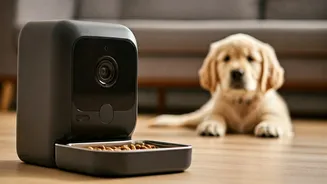


The Post-Pandemic Pet Problem
Remember the lockdown puppy boom? Millions of Americans adopted pets for companionship during the pandemic, creating deep bonds while working from home. For over two years, dogs and cats had their humans around constantly. A walk was always imminent,
a scratch behind the ears was just a desk-chair-swivel away, and mealtime was a shared ritual. Now, the return to the office—even for just two or three days a week—has shattered that routine. Animal behaviorists report a significant rise in separation anxiety among pets. They don’t understand why their person is suddenly gone for ten hours on a Tuesday. This can manifest as destructive behavior, incessant barking, or changes in eating habits. For owners, the guilt and worry can be overwhelming, making it difficult to focus at the office.
More Than Just a Food Bowl
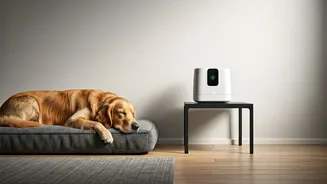
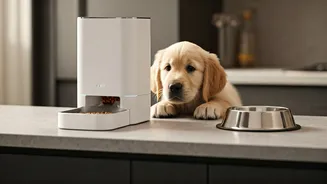
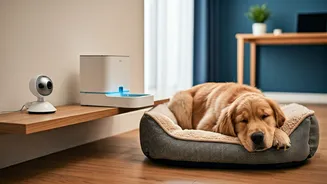
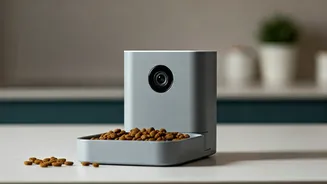
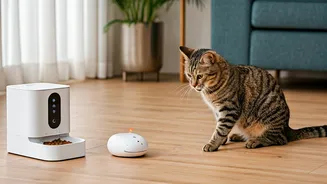
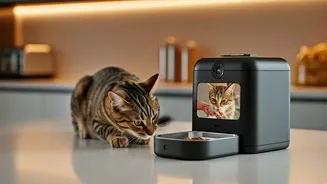
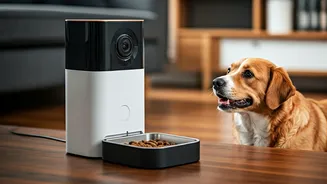
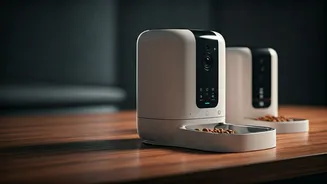
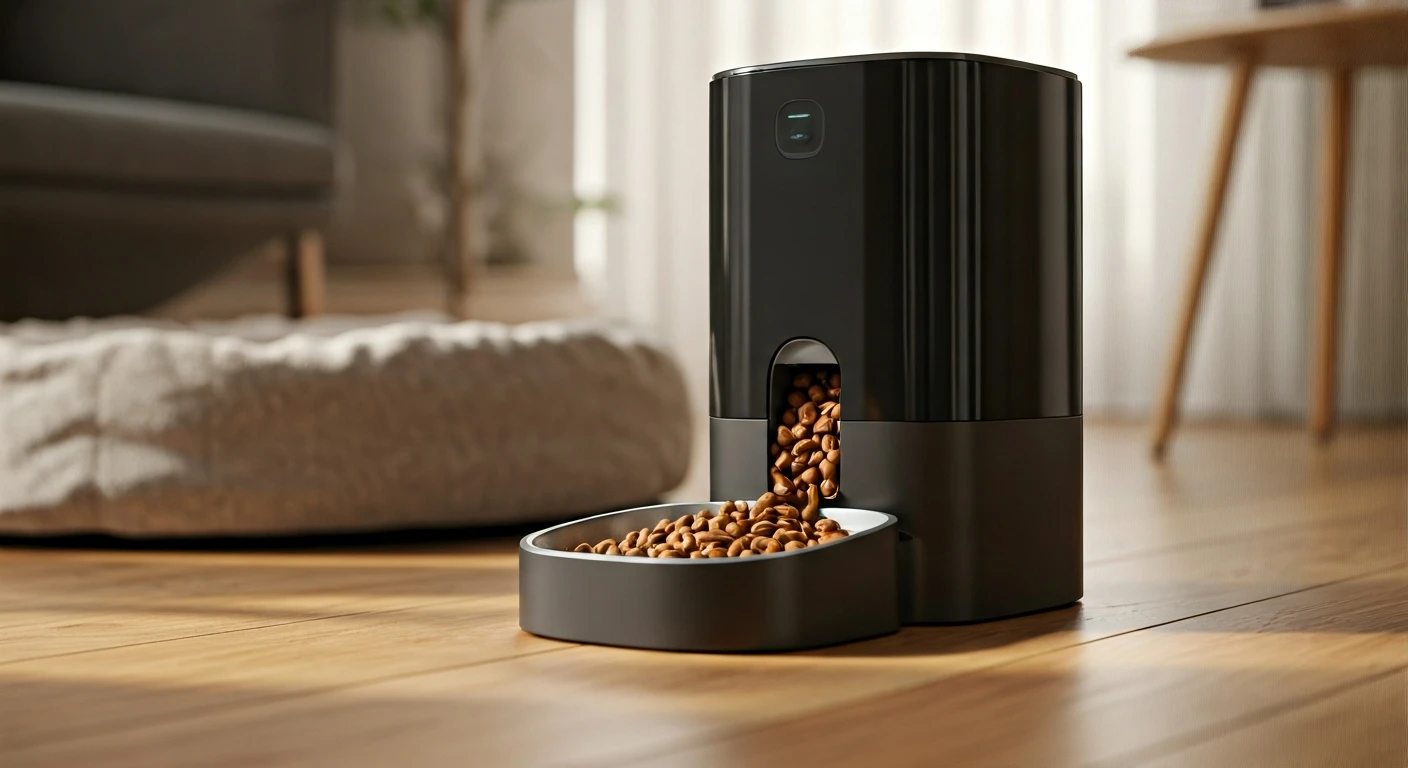
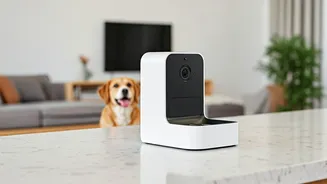
Enter the smart automated feeder. This isn't the simple gravity-fed dispenser you might see at a pet store. Modern smart feeders are sophisticated gadgets that connect to your home’s Wi-Fi and are controlled by a smartphone app. From your desk across town, you can schedule precise meal times down to the minute, ensuring your pet’s routine stays consistent whether you're home or not. The core feature is portion control; the app lets you dispense exact amounts of food, preventing overeating out of boredom or stress. More advanced models include a built-in camera, allowing you to check in on your pet, and a two-way microphone so you can speak to them. Some even let you record a short voice message—'Time for dinner, Buddy!'—that plays before the food is dispensed, adding a comforting touch of familiarity.
Consistency in a Chaotic Schedule
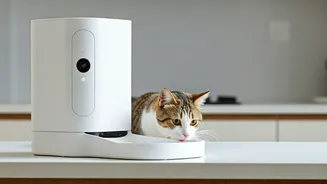
For the hybrid professional, the smart feeder’s greatest value is its ability to impose consistency on a chaotic schedule. On work-from-home days, you can feed your pet in person. On office days, the feeder takes over seamlessly, delivering the same meal, at the same time, in the same way. This predictability is a powerful tool against pet anxiety. It reassures your dog or cat that even when you’re not physically present, their fundamental needs will be met reliably. For the owner, the peace of mind is immense. A quick glance at the app confirms that your pet has been fed. A peek through the camera shows them eating calmly. It transforms the vague worry of 'I hope he's okay' into the concrete knowledge that a key part of his day has gone according to plan. This small sense of control makes the hybrid transition smoother for everyone.
A Tool, Not a Total Replacement
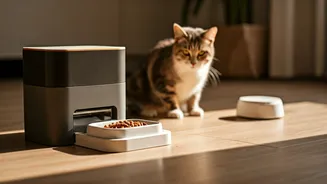
While these devices are proving to be a lifeline for many, experts caution that they are a tool, not a substitute for care and attention. A smart feeder can solve the problem of mealtime consistency, but it can’t solve the underlying loneliness a pet might feel. It can't provide a walk, a play session, or a cuddle on the couch. For some animals, particularly those with severe separation anxiety, the sight of a machine dispensing food might not be as comforting as their owner’s presence. Furthermore, not all pets adapt well to them; a particularly skittish cat might be frightened by the noise of the dispenser. The decision to use one should be based on your individual pet’s personality and needs. They work best as one component of a broader strategy to ease a pet into a new hybrid schedule, which might also include puzzle toys, longer morning walks, or help from a dog walker.