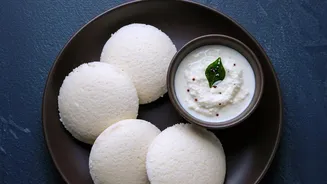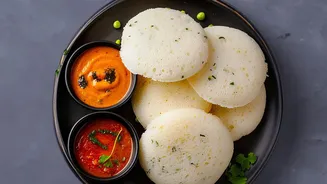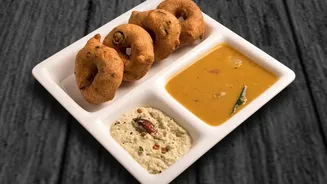


The Foundation: A Simple Batter
The journey of idli and dosa begins with a simple, unassuming batter made from rice and urad dal (black gram). These ingredients are soaked for several hours, then ground into a paste. At this stage, it's a basic mixture of carbohydrates and protein.
The real transformation, however, happens when it's left to rest in a warm place for anywhere from 8 to 12 hours. This period of waiting is not idle; it's when a microscopic army gets to work, turning the simple batter into a nutritional powerhouse.
A Microscopic Army at Work
The fermentation of idli and dosa batter is a natural process driven by wild microorganisms, primarily Lactic Acid Bacteria (LAB) like Lactobacillus and yeasts such as Saccharomyces cerevisiae. These microbes are naturally present on the lentils and grains and in the environment. As they multiply in the batter, they begin to break down the complex carbohydrates and starches into simpler sugars. The yeasts then consume these sugars, producing carbon dioxide gas. This gas gets trapped within the thick batter, causing it to rise and creating the light, porous, and spongy texture that makes idlis so soft and dosas so wonderfully crisp.
Unlocking Hidden Nutrients
One of the most significant benefits of fermentation lies in its ability to improve nutrient absorption. Many plant-based foods, including rice and lentils, contain compounds known as 'antinutrients'. Phytic acid is a primary example; it binds to essential minerals like iron, calcium, and zinc, preventing your body from absorbing them. During fermentation, the bacteria produce an enzyme called phytase. This enzyme effectively dismantles the phytic acid, unlocking these valuable minerals and making them bioavailable, meaning your body can actually use them. This is especially important in vegetarian diets, where mineral absorption can be a concern.
A Boost of Vitamins and Digestibility
The fermentation process doesn't just unlock existing nutrients; it creates new ones. The microbial activity significantly increases the levels of essential B vitamins, including folic acid and even vitamin B12, which is rarely found in plant-based foods. Furthermore, fermentation is a form of pre-digestion. The microbes break down the complex proteins and starches into smaller, more easily digestible molecules. This is why fermented foods like idli and dosa are often described as being 'light' on the stomach, reducing feelings of bloating or heaviness and making them an excellent choice for a gentle, energising start to the day.
More Than Just a Meal: Ancient Wisdom
The practice of fermenting grain and lentil batters is more than a culinary technique; it is a form of ancient nutritional wisdom passed down through generations. Long before scientific terms like 'probiotics' and 'bioavailability' were understood, our ancestors knew that this process made food not only more delicious and preservable, but also more nourishing and easier on the digestive system. Every plate of idli or dosa is a testament to a sophisticated, time-tested strategy for maximising the nutritional value of staple foods. It represents a deep understanding of how to work with nature to support human health.