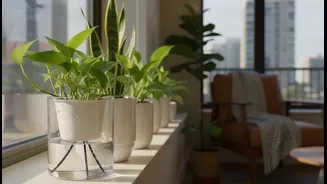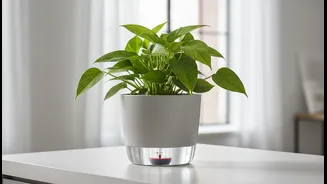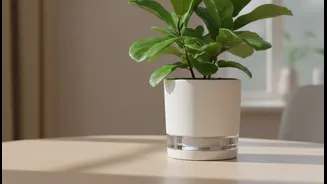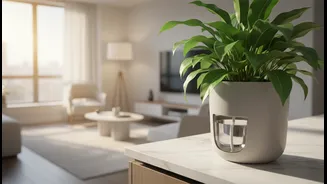




The Magic of Self-Watering Planters
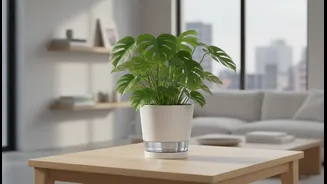
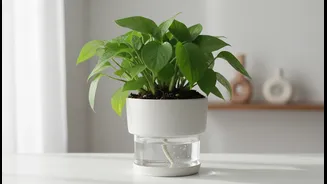
So, how do these magical pots work? It's surprisingly simple and based on a natural process called capillary action. A self-watering planter consists of two main parts: an upper chamber for the plant and soil, and a lower reservoir to hold water. A wicking
system, which can be a piece of fabric rope or even a column of soil, connects the two. This wick draws water up from the reservoir into the soil as the plant needs it, much like a sponge soaks up a spill. This clever sub-irrigation system lets the plant control its own water intake, taking the guesswork out of your hands. On a hot day, it will drink more; on a cooler day, it will drink less, all without you lifting a finger every day.
Why Urban Gardeners Love Them
The benefits of self-watering planters are a perfect match for the challenges of city living. The number one advantage is convenience. For busy professionals, frequent travellers, or anyone who simply forgets to water, these pots are a lifesaver. Instead of a daily chore, watering can become a weekly or bi-weekly task of just refilling the reservoir. They also solve the two biggest problems in container gardening: overwatering and underwatering. By providing a consistent supply of moisture directly to the roots, they prevent both the root rot that comes from soggy soil and the stress caused by letting plants dry out. This leads to healthier, more robust plants. Furthermore, they are water-efficient, losing less to evaporation, and create less mess since you aren't pouring water over the top and spilling it.
The Right Plants for the Job
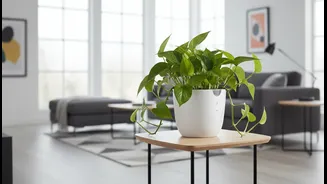
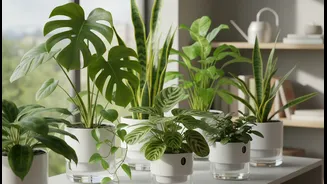
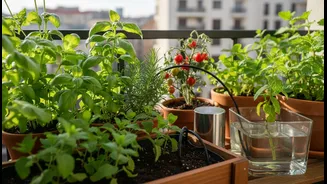
While versatile, self-watering planters are best suited for plants that appreciate consistent moisture. This makes them ideal for a wide variety of popular houseplants in India. Think of lush foliage plants like the peace lily, spider plant, and pothos (money plant), all of which thrive with steady hydration. They are also perfect for creating a small kitchen garden on your windowsill or balcony. Herbs like basil, mint, and parsley love the consistent moisture these pots provide. However, you should be cautious when using them for plants that need to dry out completely between waterings, such as succulents, cacti, and snake plants, as the constant moisture could lead to root rot.
Greening Every Small Space
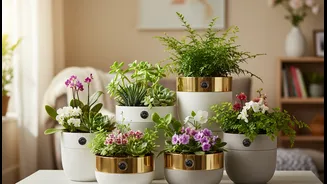
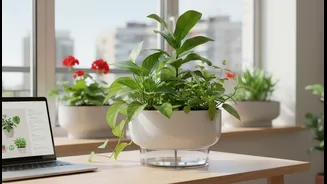
The beauty of these planters lies in their ability to fit into any nook and cranny of an urban home. A small, colourful self-watering pot can bring life to a work desk without any risk of messy spills on your electronics. On a balcony, which is often exposed to wind and sun that dries out soil quickly, these planters maintain crucial moisture levels. You can use rectangular planters along the railing for flowering plants or hang them to create a vertical garden. In the kitchen, a row of planters on the windowsill can provide a fresh supply of herbs for your cooking. Even a lonely bookshelf can become a green corner with a trailing pothos in a stylish self-watering pot.
Choosing Your Perfect Planter
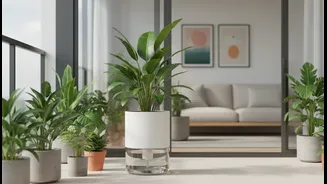
When shopping for a self-watering planter, there are a few features to consider. Look for a pot with a water level indicator; this small window or gauge makes it easy to see when the reservoir needs a refill. The size of the reservoir matters—a larger reservoir means you can go longer between waterings. Also, check the material. Many are made from lightweight, recycled plastic, which is great for balconies where weight can be a concern. Finally, ensure you use the right soil. A lightweight, well-aerated potting mix is essential for the wicking action to work properly. Heavy garden soil can become compacted and won't draw water effectively.