


From Bland to Breathtaking
For decades, the visual element of a school presentation was often its weakest link. Students spent hours searching for low-resolution images or relying on the same tired templates and stock photos as their peers. The result was often a presentation that
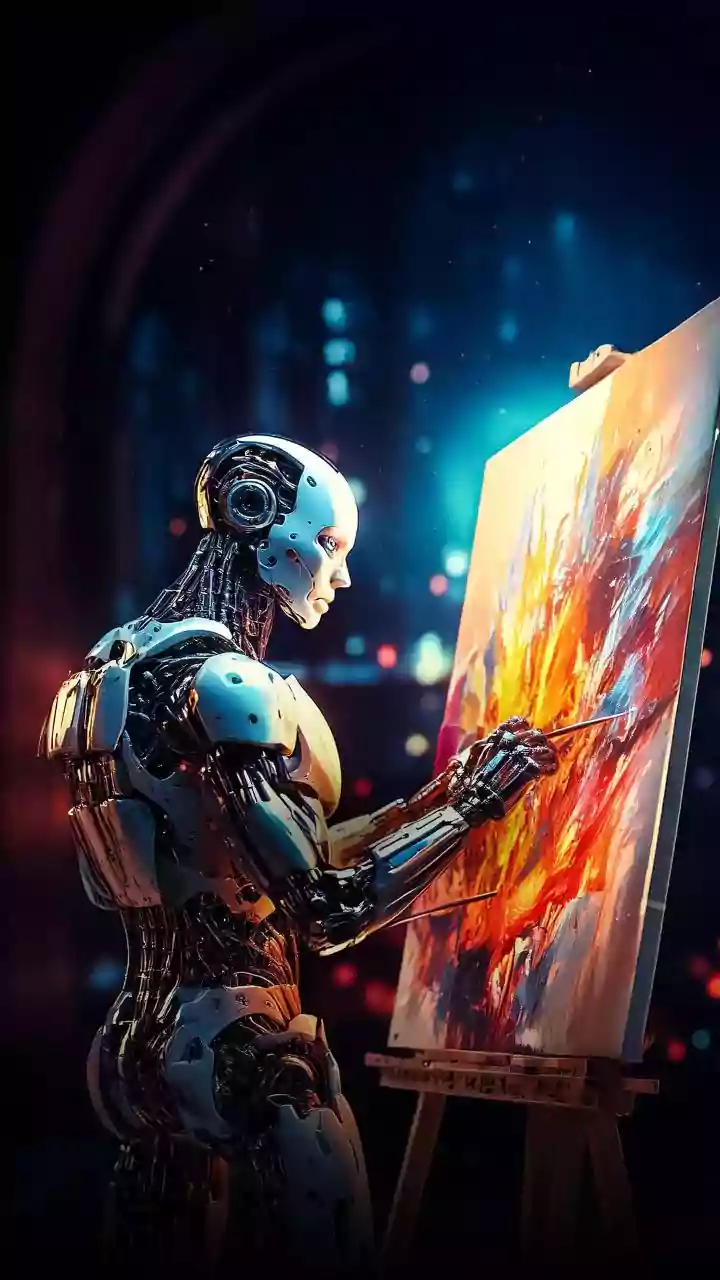
felt disconnected and visually uninspired. Today, AI image generators like Midjourney, DALL-E 3, and Stable Diffusion are changing the game. By simply typing a descriptive text prompt, students can conjure a nearly infinite variety of high-quality, original images. This leap in technology is not just about making slides prettier; it’s about giving students the ability to create visuals that are perfectly tailored to their message, making their presentations more engaging, memorable, and professional.
Visualising the Unimaginable
The true power of these tools lies in their ability to make abstract or complex concepts tangible. A history student can now generate a vivid scene of the Silk Road, complete with merchants and camels, instead of using a dry map. A biology student can create a detailed illustration of a cell's mitochondria at work, rather than relying on a simplified textbook diagram. These tools act as a powerful educational ally, helping students visualize and manipulate complex designs with simple commands. This makes advanced concepts more accessible and demystifies the creative process, especially for those who don't consider themselves artistically gifted. The focus shifts from finding a 'good enough' image to thoughtfully creating the perfect one.
A Tool for Creativity, Not Cheating
Whenever new technology enters the classroom, questions about academic integrity follow. While using AI to write an entire essay is widely considered plagiarism, many educators view image generators as a tool for enhancing creativity, much like a calculator is a tool for math. The skill being developed is different. Instead of learning to draw, students are learning 'prompt engineering'—the art of using precise, descriptive language to achieve a desired outcome. This process forces students to think more deeply about the concepts they want to illustrate. Rather than a shortcut, it becomes a new form of research and creative expression, with many schools now developing policies that encourage transparent use and proper citation of AI tools.
Navigating the New Challenges
Despite the opportunities, the integration of AI in education is not without its hurdles. One significant issue is the potential for AI 'hallucinations'—images that look plausible but are factually or historically inaccurate. A student might accidentally create an image of a World War II soldier with modern equipment if they are not careful. This places a new responsibility on students to critically evaluate the generated content against reliable sources. Furthermore, issues around inherent bias in AI training data, copyright ownership, and the digital divide created by subscription costs for the most powerful tools are all active conversations among educators. These challenges highlight the need for a new kind of digital literacy, one that prepares students to use these powerful tools ethically and effectively.