





The Monsoon Health Challenge
While the pitter-patter of rain is a welcome sound, the monsoon season is notorious for a spike in infections. The combination of high humidity and stagnant water creates a breeding ground for bacteria, viruses, and other pathogens. This leads to a surge
in water-borne diseases like cholera, typhoid, jaundice, and gastroenteritis. Furthermore, the damp conditions can weaken our respiratory system, making us more susceptible to common colds, flu, and other viral fevers. The body’s defence mechanisms are working overtime, and without the right support, they can easily get overwhelmed. This is why building a strong immunity base becomes non-negotiable during these months.
Your Immune System on Water
Hydration is fundamental to every single bodily function, and the immune system is no exception. Think of water as the transport system for your body's defenders. It helps produce lymph, a fluid that carries infection-fighting immune cells (lymphocytes) throughout your body. Proper hydration ensures this system flows smoothly, allowing your immune cells to reach areas of infection quickly. Dehydration, on the other hand, can hinder this process, slowing down your body's response time to invaders. Furthermore, water helps flush toxins and waste products from your system, reducing the overall burden on your immune cells and allowing them to focus on fighting off genuine threats.
What 'Clean' Hydration Really Means
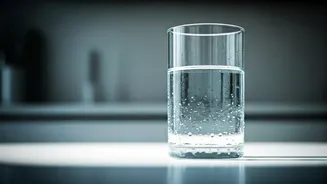
During the monsoon, the term 'clean' becomes critically important. Tap water that might be safe at other times of the year can become compromised due to flooding and overflowing sewage systems that contaminate municipal water lines. 'Clean' hydration means consuming water that is free from harmful microorganisms like bacteria, viruses, and protozoa. Simply looking at water isn't enough; it can appear clear but still harbour dangerous pathogens. This is why taking extra precautions with your drinking water is the most crucial step in preventing illness. It's not just about drinking eight glasses a day; it's about ensuring those eight glasses are actively helping, not harming, your body.
A Practical Guide to Safe Sipping
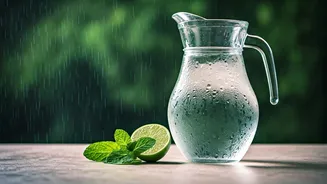
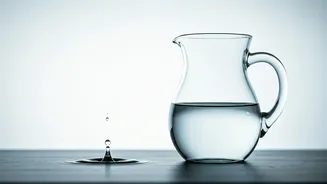
Ensuring your water is safe doesn't have to be complicated. The most time-tested and effective method is to boil your drinking water. Bring water to a rolling boil for at least one to three minutes to kill most disease-causing organisms. Let it cool completely before storing it in clean, covered containers. For those seeking more convenient options, a good quality water filter is an excellent investment. Look for multi-stage purification systems, particularly those combining RO (Reverse Osmosis), UV (Ultraviolet), and UF (Ultrafiltration) technologies for comprehensive protection. Be extremely cautious about drinking water from outside sources, including street-side juice vendors or restaurants that may not follow stringent purification practices. Always carry your own water bottle from home.
Hydrating Beyond Plain Water
While pure water is best, you can supplement your fluid intake with other healthy options that also bolster immunity. Warm herbal teas like ginger, tulsi, or lemon-honey tea are excellent choices. They not only hydrate but also offer anti-inflammatory and antibacterial properties. Clear, warm soups and traditional 'kadha' preparations are comforting and highly beneficial. Coconut water is another fantastic natural hydrator, packed with electrolytes. However, be mindful of what to avoid. Steer clear of carbonated, sugary drinks, as excessive sugar can suppress the immune system. Also, limit caffeine as it has a mild diuretic effect. Focus on fluids that nourish and hydrate simultaneously.