






The Ultimate Comfort Bowl
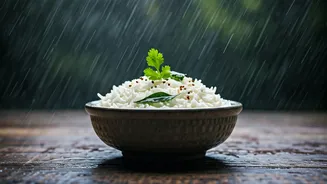
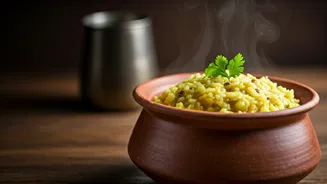
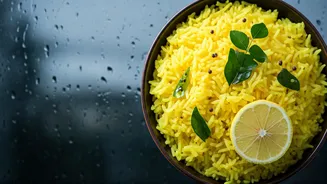
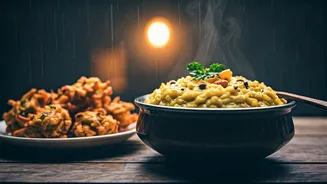
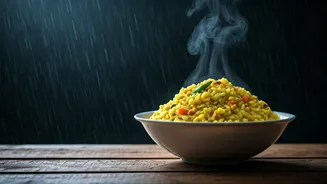
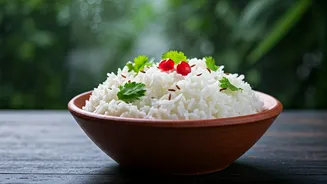
Call it thayir sadam in Tamil Nadu, daddojanam in Andhra Pradesh, or simply curd rice across India—its identity is singular: it is the culinary equivalent of a warm hug. At its core, the dish is a testament to beautiful simplicity: soft, overcooked rice lovingly
mashed and blended with creamy yoghurt. It’s the food of rushed mornings, gentle convalescence, and temple offerings. It requires no fanfare, no grand occasion. Its purpose is to soothe, to nourish, and to ground us. In a world of complex flavours and elaborate cooking techniques, curd rice remains steadfastly humble, its power lying not in what is added, but in its elemental purity.
Why the Monsoon Makes It Magical
So, why does this simple dish taste exceptionally better when it’s pouring outside? The answer is a blend of science, tradition, and sensory poetry. According to Ayurvedic principles, the monsoon season (Varsha Ritu) can aggravate the 'Vata' and 'Pitta' doshas, leading to digestive issues and a feeling of sluggishness. Curd rice, being easy to digest and packed with probiotics, is considered an ideal food to pacify the gut. The coolness of the curd balances the damp humidity of the season, making you feel light and refreshed. Modern science backs this up; the carbohydrates in rice can help boost serotonin production, our body's natural mood-lifter, which is a welcome effect during the often gloomy, grey days of the monsoon. It's a dish that instinctively answers the body's call for something balancing and comforting.
The Art of the Perfect Tadka
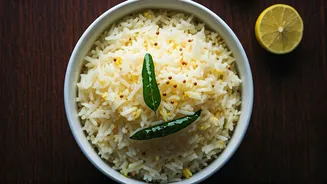
While plain curd rice is a joy in itself, the tempering, or *tadka*, elevates it from simple sustenance to a culinary delight. The sound of mustard seeds sputtering in hot oil or ghee is the opening note of this symphony. A classic tadka for curd rice involves mustard seeds, urad dal for a nutty crunch, fragrant curry leaves, a pinch of asafoetida (hing) for its digestive properties and unique flavour, and perhaps some finely chopped ginger or green chillies for a mild heat. Some variations include adding broken red chillies for warmth or cashews for richness. This fragrant, crunchy mixture is poured over the creamy rice, creating a beautiful contrast in texture and flavour. The tadka isn't just a garnish; it's an essential layer of complexity that awakens the senses and completes the dish.
More Than Just a Meal
No bowl of curd rice is truly complete without its loyal accompaniments. These sidekicks provide the final flourish, adding pops of flavour and texture that make each spoonful an adventure. The most classic pairing is a tangy, spicy pickle—a fiery mango or lemon pickle cuts through the creaminess of the curd perfectly. Crispy papadums or appalams, shattered over the top or served on the side, add a satisfying crunch. But for the connoisseurs, the ultimate partner is *mor milagai* or *dahi mirchi*—large green chillies soaked in yoghurt, sun-dried, and then fried to a crisp. Their salty, tangy, and subtly spicy bite is the perfect counterpoint to the cool, mellow curd rice. Together, they create a harmony of flavours: cool, creamy, crunchy, tangy, and spicy, all in one bite.
A Taste of Memory and Belonging
Ultimately, the reason monsoon curd rice tastes so good is because it’s deeply intertwined with memory. It tastes like childhood afternoons, of a mother or grandmother mashing rice with her hands, knowing the exact consistency that would bring you comfort. It’s the flavour of being cared for after a fever, the simple meal that always made you feel better. It’s the taste of home. As the rain drums against the windowpanes, a bowl of curd rice offers more than just nutrition; it offers a connection to our roots, a reminder of simpler times, and a powerful sense of belonging. It’s a dish that nourishes the soul as much as the body.