





The Rising Cost of Devotion
The scale of Ganesh Chaturthi celebrations has visibly grown, and so have the expenses. What once centered on a simple, heartfelt welcome for Lord Ganesha can now feel like a financial obligation. The costs accumulate quickly: the idol, the elaborate
decorations (mandap), daily offerings, new clothes, and community contributions. For a single household, expenses can run into thousands of rupees, with idol prices alone ranging from a few thousand to over fifty thousand. For community pandals, these costs can spiral into lakhs. This commercialization has turned a festival of faith into a significant economic event, but it has also created an environment where families feel pressured to keep up, sometimes leading to debt and stress that linger long after the festivities end.
From Community to Competition
Historically, the festival, especially in its public form, was about bringing people together. Today, that sense of community is often overshadowed by a spirit of competition. The size of the idol, the grandeur of the pandal, and the volume of the sound system become markers of status. Social media further amplifies this, creating a visual contest where everyone is implicitly urged to put on a grander show than their neighbour. This shift from shared devotion to public spectacle places an immense burden on individuals and local organising committees. The focus moves from the spiritual essence of welcoming the remover of obstacles to the logistical and financial challenge of staging an event. This pressure to perform can lead to significant anxiety, transforming a period meant for joy into one of stress.
Reclaiming the Spirit of the Festival
The true essence of Ganesh Chaturthi lies not in the scale of the celebration but in the sincerity of the devotion (bhakti). It is a time for introspection, family bonding, and seeking blessings for new beginnings. Lord Ganesha represents wisdom and the removal of obstacles, values that get lost when the primary focus becomes material display. Reclaiming the festival means consciously choosing to prioritize these core tenets. It means remembering that the most important offerings are faith and love, which carry no price tag. A smaller, simpler celebration does not signify lesser devotion; rather, it reflects a deeper understanding of the festival's purpose: to foster inner peace and community harmony, not financial strain.
Practical Ways to Celebrate Simply
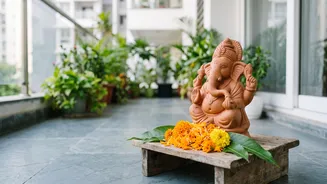
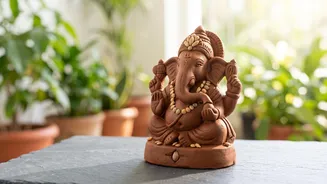
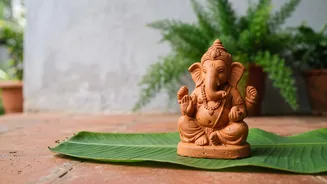
Shifting the focus is not about diminishing the celebration but about making it more meaningful and sustainable. Families and communities can adopt several practices to achieve this. Opting for smaller, eco-friendly idols made of natural clay (shadu matti) is a great start. These are often more affordable and don't harm the environment upon immersion. Instead of buying expensive plastic or thermocol decorations, one can use natural materials like flowers, mango leaves, and handmade paper crafts. Preparing sweets and prasad at home can be a wonderful family activity that also cuts costs. Organizing community potlucks instead of hiring caterers can restore the feeling of togetherness. Furthermore, performing the immersion (visarjan) at home in a bucket or tub is an environmentally conscious choice that avoids polluting water bodies.
A Festival for Everyone, Not Just the Affluent
When celebrations become defined by how much money is spent, they inadvertently exclude those who cannot afford to participate at that level. This creates a social divide within a festival that is meant to unite. By embracing simplicity, we make Ganesh Chaturthi more inclusive. It allows everyone, regardless of their financial situation, to celebrate with dignity and joy, free from the shame or pressure of falling short of societal expectations. A community that values participation over performance is a healthier, more connected one. Making a collective decision to celebrate modestly ensures that the festival remains a source of universal joy and spiritual connection, strengthening social bonds rather than straining them.