








The High Cost of Sitting Still
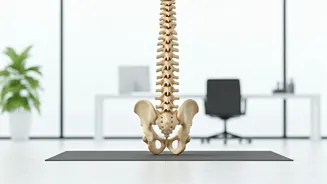
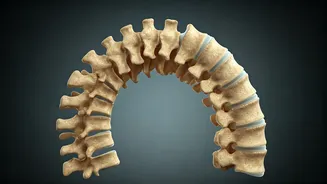
Prolonged sitting is more than just uncomfortable; it's a significant health concern. When you're stationary for hours, your body pays a price. Muscles in the neck, shoulders, and back become tight and sore, often leading to chronic pain and poor posture.
[14, 24] Blood flow slows, which can increase the risk of serious conditions like heart disease and type 2 diabetes over the long term. [9, 14, 18, 25] Mentally, long bouts of inactivity can drain your energy, reduce focus, and even impact your mood. [8, 18] While a single hour at the gym after work is beneficial, it doesn't fully counteract the negative effects of being sedentary for the other eight hours of the workday. [12] The key is to break up these long periods of inactivity.
The Power of the Micro-Break
This is where the ten-minute stretch break comes in. Research shows that short, regular movement breaks can be more effective than one long one for combating sedentary behavior. [12] These 'movement snacks' boost circulation, deliver oxygen to your muscles, and help reset your posture. [2] The benefits aren't just physical. Stepping away from your screen, even for a few minutes, can significantly improve focus, boost energy levels, and enhance overall productivity. [7, 8, 15] A 2026 study found that five-minute movement breaks every hour offered the best balance between improving well-being and maintaining work performance. [8] Setting a recurring alarm is a crucial part of building this habit, transforming a good intention into a consistent practice that your body and mind will thank you for. [25]
Your 10-Minute Desk-Side Routine
You don't need a yoga mat or a gym membership to feel better. These simple, physiotherapist-approved stretches can be done right at your workstation. Aim to hold each stretch for 15-30 seconds, and remember to breathe deeply. Most importantly, a stretch should create mild tension, but never pain. [1, 4] * **Neck Tilt:** Gently tilt your head toward one shoulder, feeling a stretch along the opposite side of your neck. Hold, then repeat on the other side. [1, 5, 19] * **Shoulder Rolls:** Lift your shoulders up toward your ears, then roll them back and down in a circle. Reverse the direction. This relieves tension in the neck and shoulders. [19, 21] * **Chest Opener:** Clasp your hands behind your back. Straighten your arms and squeeze your shoulder blades together to open up your chest. This counteracts slouching. [1, 4] * **Seated Spinal Twist:** Sit tall and twist your upper body to one side, using the armrest for a gentle leverage. This mobilizes your spine. [1, 19] * **Hamstring Stretch:** Sit at the edge of your chair and extend one leg straight out with the heel on the floor. Gently lean forward until you feel a stretch in the back of your thigh. [5] * **Wrist and Finger Stretch:** Extend one arm out, palm up. Gently bend your wrist down, using your other hand to pull the fingers toward you. Reverse with the palm down. This is crucial for those who type all day. [5, 20, 24]
Make the Habit Stick
The secret to success is consistency. Start by setting just one or two alarms for your workday. You could time them for mid-morning and mid-afternoon, when energy levels typically dip. Use your phone, your computer calendar, or a dedicated app to create the reminders. Don’t be tempted to hit snooze; the goal is to train your body to expect these small but vital breaks. You might even find that pairing your stretch break with another micro-habit, like refilling your water bottle or simply looking out a window for 20 seconds, helps solidify the routine. By making this a non-negotiable part of your day, you are actively investing in your long-term health, comfort, and professional performance.