

With the 2026 US midterm elections decided, the political landscape in Washington has shifted, raising questions about the future of American foreign policy under President Donald Trump. This isn't just about politics; it's about power.
The President’s Foreign Policy Toolbox
Under the U.S.
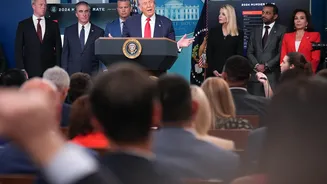
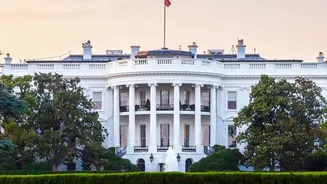
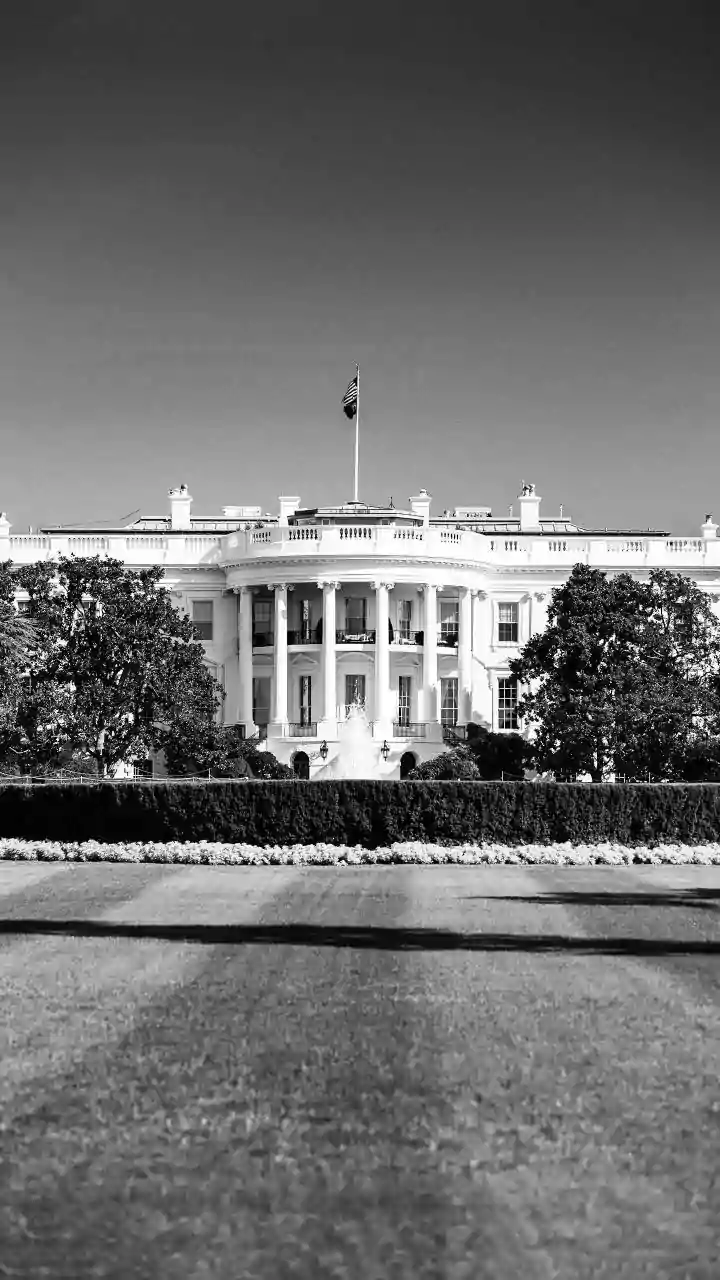
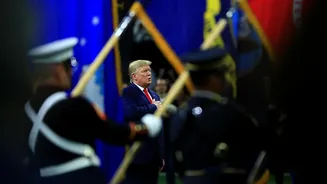
Constitution, the president holds significant authority in foreign affairs. As Commander-in-Chief, the president directs the military, a power that has been used by past leaders to deploy troops without a formal declaration of war. They also have the power to negotiate treaties with other countries, appoint ambassadors, and recognize foreign governments. In recent decades, presidents have increasingly relied on 'executive agreements', which are international pacts that don't require the Senate's two-thirds approval needed for formal treaties. President Trump, in particular, has favored this tool, allowing him to act unilaterally on issues like the Iran nuclear deal and the Paris Agreement on climate change. This approach gives the White House speed and flexibility but can also lead to policies that are easily reversed by the next administration.
The Congressional Check on Power
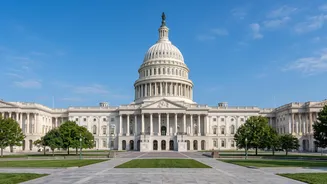
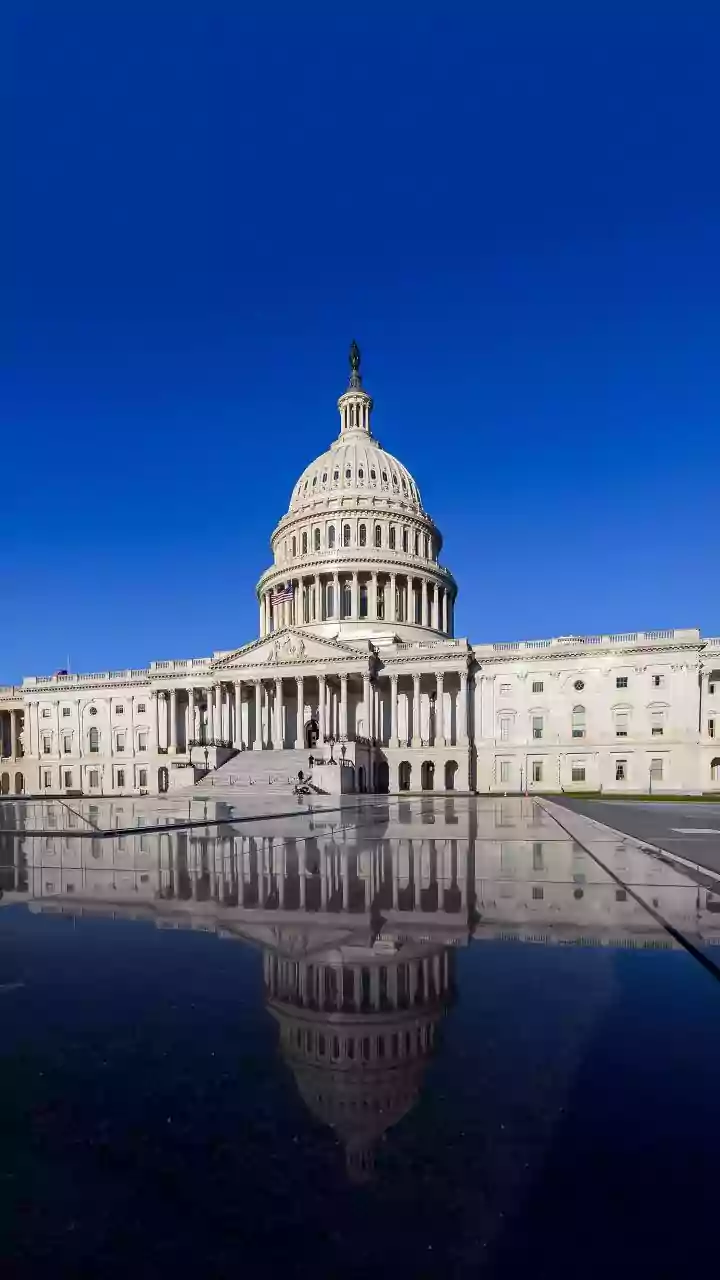
While the president proposes, Congress disposes. The legislative branch holds several key powers that serve as a check on the executive. Chief among them is the 'power of the purse'. Congress controls all federal spending, meaning it can choose to fund or defund the president's foreign policy initiatives, from foreign aid to military operations. It also has the sole power to formally declare war, regulate commerce with foreign nations, and, crucially, the Senate must approve treaties and confirm the appointments of key officials like ambassadors and the Secretary of State. Congressional committees also perform a vital oversight function, holding hearings and launching investigations into the administration's foreign policy decisions.
Post-Midterm Political Realities
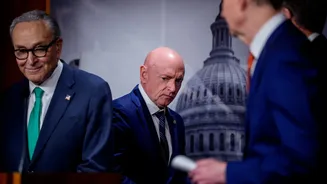
Following the 2026 midterm elections, where Democrats gained control of both the House and Senate, the dynamic has fundamentally changed for President Trump. With an opposition party controlling Congress, the president faces new hurdles. Democrats are expected to use their majority to increase scrutiny of the administration's policies, particularly regarding trade tariffs and military engagements. They now chair powerful committees, giving them the authority to subpoena officials and demand documents related to foreign policy decisions. While the President retains significant unilateral power, especially in military matters and through executive orders, a hostile Congress can slow down his agenda, block funding, and reject his appointments to key diplomatic posts.
Potential Flashpoints on the Horizon
Several areas of foreign policy are likely to become points of contention. A Democratstrolled Congress will likely challenge President Trump’s use of tariffs by attempting to pass legislation to reform the laws that grant him broad authority on trade. Foreign aid, which Trump has sought to cut in certain areas, will also be a battleground, as Congress holds the final say on appropriations. Furthermore, any new treaties the administration might negotiate would face a difficult path to ratification in a Senate controlled by the opposition. The new Democratic majority is also expected to use its oversight powers to launch investigations into various foreign policy matters, from the war in Iran to relations with traditional allies, creating a more constrained environment for the White House.