



Monitor Official Weather Alerts
Before and during your trip, the most critical step is to stay updated on the weather. The India Meteorological Department (IMD) is the primary source for forecasts and warnings. As of October 15, the IMD has forecast the onset of the Northeast monsoon,
bringing heavy to very heavy rainfall to isolated places in Kerala and Tamil Nadu, with heavy rain expected in parts of Karnataka and Andhra Pradesh. For Kerala, the IMD has issued orange and yellow alerts for several districts, indicating the possibility of very heavy rainfall. Travellers should download weather apps like 'Mausam' or 'Damini' for real-time alerts on rainfall and lightning. Understanding these alerts is key; a yellow alert advises you to be aware, while an orange alert means you should be prepared for potentially disruptive weather.
Plan Your Itinerary with Flexibility
Given the unpredictable nature of monsoon weather, a rigid schedule can lead to disappointment. It is wise to build buffer days into your travel plans to account for potential delays from road closures or cancelled transport. Tourist boards and travel experts advise against visiting destinations that are particularly vulnerable during heavy rains, such as landslide-prone hilly areas and low-lying coastal regions. For instance, while hill stations like Munnar and Coorg are beautiful, they require extra caution. Always check with your hotel or local guides about the current conditions before heading out for sightseeing. Some attractions, especially waterfalls and trekking routes, may be temporarily closed for safety.
Pack Smart for Monsoon Conditions
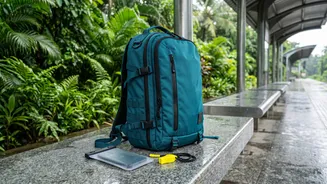
Your packing list can make or break a monsoon trip. Prioritise waterproof and quick-drying items. Essential clothing includes a reliable raincoat and light, synthetic fabrics that dry faster than cotton or jeans. Footwear should be waterproof with a strong grip to handle slippery paths. To protect your valuables, carry waterproof bags or dry sacks for electronics like phones and cameras. A power bank is also a must-have, as power cuts can be more frequent during heavy storms. Finally, a basic first-aid kit containing essentials, along with a strong insect repellent to guard against mosquito-borne illnesses, is highly recommended.
Navigate Roads and Transport Cautiously
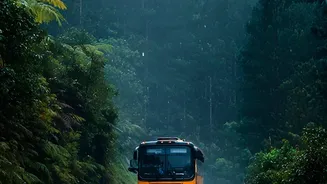
Road travel requires the utmost care during the monsoon. If you're driving or hiring a car, ensure the vehicle's tyres are in good condition. It is best to drive slowly, keep headlights on during downpours, and avoid travelling on ghat roads or through forested routes at night. Be wary of flooded roads and causeways, and never attempt to cross them. Trains and private cabs are generally more reliable than local buses, which can face significant delays. When booking activities like houseboat cruises in Kerala, ensure you are using a licensed operator that adheres to safety protocols, which includes mooring the boat if the weather becomes too rough.
Prioritise Health and Hygiene
The rainy season can increase the risk of waterborne diseases. To stay healthy, drink only bottled, boiled, or purified water. Be cautious with street food, especially items that may have been exposed to contaminated water. It's safer to eat freshly prepared hot meals. Maintaining personal hygiene and using mosquito nets or repellents are also important preventive measures, as stagnant water becomes a breeding ground for mosquitoes.
Respect Nature and Local Advisories
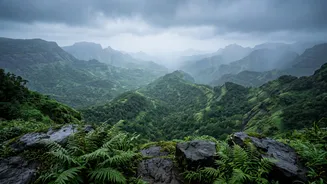
The monsoon enhances the beauty of nature, but it also increases its dangers. Authorities strongly advise against swimming in the sea, which can be extremely rough, or in swollen rivers and lakes. Keep a safe distance from overflowing waterfalls and water bodies. Many tourism advisories stress the importance of following local guidelines and heeding warning signs posted at tourist spots. Ignoring these warnings not only puts you at risk but can also strain local emergency services. By respecting the power of nature and the advice of local authorities, you can ensure a safe and responsible journey.